Mobility Training

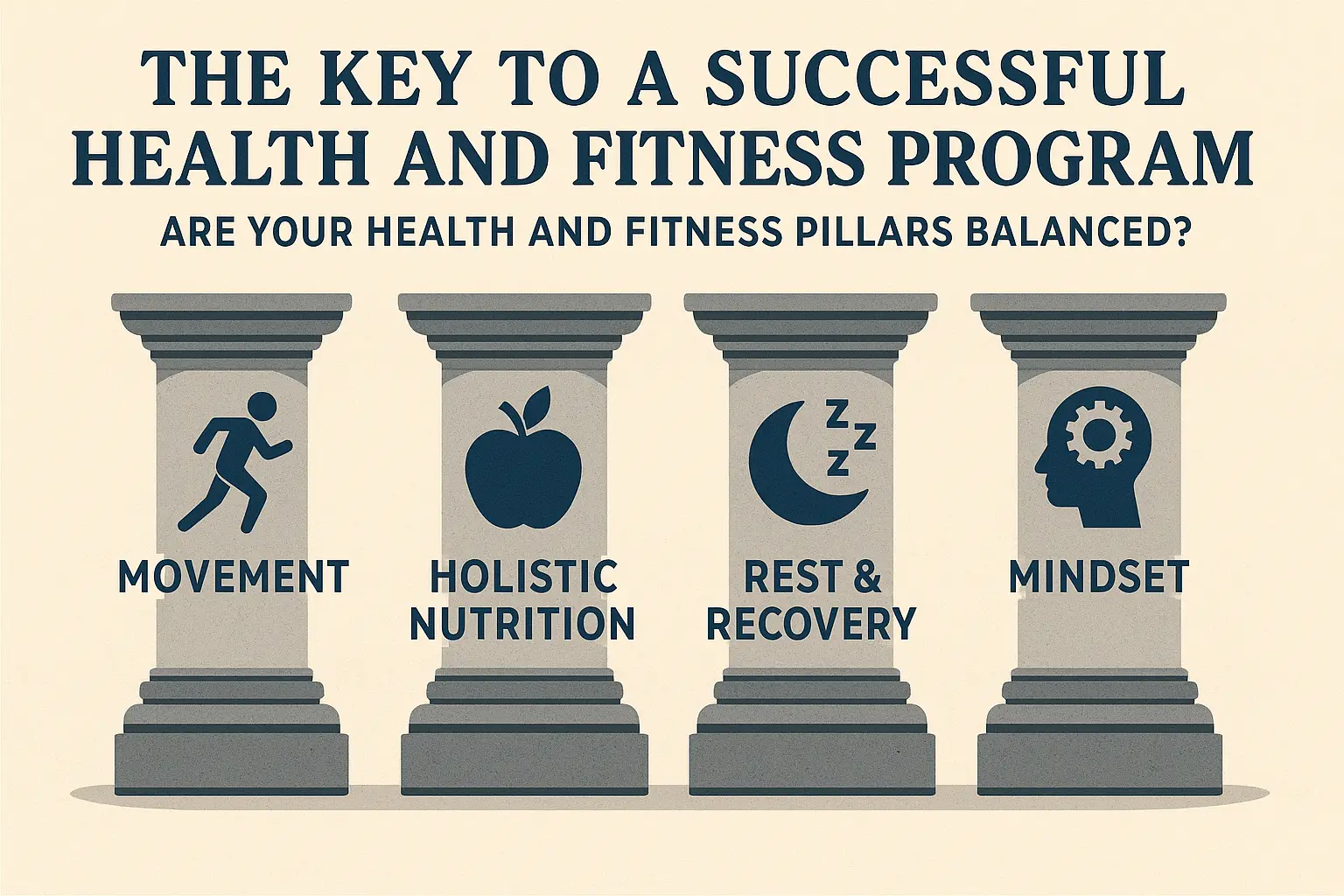
The Key To A Successful Health And Fitness Program Are Your Health And Fitness Pillars Balanced?

health fitness pillars balance

Balance is the key to living your best life, and it all starts with the four pillars of optimal health: nutrition, hydration, sleep, movement, and happiness. Science agrees: keeping these pillars stable and integrated is essential for physical, mental, and emotional vitality.

Why Pillar Balance Matters

Each pillar supports the others, just like the legs of a stable table. When one leg is off—like poor sleep, skipping workouts, or neglecting healthy foods—your whole system suffers. Imbalance can trigger stress, fatigue, cravings, lower motivation, and more.

  • Nutrition: Fuels your cells, supports immune and digestive function, and even impacts your mood and brain health. A balanced diet of whole foods and adequate micronutrients makes every other pillar stronger.
  • Hydration: Water enables thousands of cellular actions every second—transporting nutrients, flushing out wastes, lubricating joints, and supporting flexible fascia. Dehydration undercuts every aspect of health and performance.
  • Sleep: The restorative anchor. Good sleep repairs tissues, regulates metabolism, balances stress hormones, and boosts mental clarity and stamina. Chronic sleep deficit affects mood, energy, and recovery.
  • Movement: Functional movement integrates strength, endurance, flexibility, and balance. Exercise builds resilience, aids weight control, uplifts mood, and reduces the risk for chronic disease.
  • Happiness/Relaxation: Positive mindset and stress management help regulate energy, foster motivation, and ensure lasting progress. Chronic stress or negativity undermines all other pillars—actively cultivating joy and gratitude changes your results.

Action Steps For Real Balance

Most people ignore one or more pillars—overtraining, lack of sleep, poor hydration, or stress—so the system tips out of equilibrium. Quickest way to success? Create a cohesive program that takes all pillars into account. Even small improvements, spread across all categories, build rapid, sustainable progress.

  • Make nutrition, water, sleep, movement and happiness daily habits, not optional extras.
  • Track them regularly (journals, checklists, or apps) and watch your energy, mood, and performance improve.

Read more and get your balanced, holistic plan:
The Ultimate Guide For A Holistic Exercises And Fitness Program

Find out more @

Facebook

LinkedIn

Pinterest

Instagram

Youtube

Bluesky

Why Strengthening Your Pelvis Is A Really Good Idea

pelvic floor strength health

Imagine your house with a weak, shaky foundation—every room and floor begins to sag and fail. In your body, the pelvic floor is that vital foundation, supporting everything above it. Ignore it, and you invite widespread imbalance and dysfunction.

Pelvic Floor—Your Body’s Hidden Powerhouse

The pelvic floor is a hammock-like group of muscles and ligaments stretching from the pubic bone to the tailbone. Its job is to:

  • Support and stabilize crucial organs—bladder, bowel, uterus or prostate, and rectum.
  • Control continence—preventing accidental leaks of urine or feces, especially with coughing, sneezing, or jumping.
  • Maintain healthy sexual function
  • Stabilize the pelvis and spine, integrating with your abs, glutes, diaphragm, and other deep core muscles.

When the pelvic floor is weak, prolapse, pain, and dysfunction can occur—organs shift, muscles don’t move right, and serious issues like bladder infections, prolapse, or incontinence can arise.

Why Training Your Pelvic Floor Matters (For Everyone!)

  • Women: Pregnancy, childbirth, and hormonal changes impact the pelvic floor. Training these muscles can ease birth, speed recovery, prevent incontinence, and improve sexual health.
  • Men: Prostate health, continence, erectile function, and core stability all depend on pelvic floor health.
  • Strengthens the “foundation” for better movement, posture, and injury prevention in sports, daily life, and aging.

Beyond Kegels—A Holistic Approach

Kegel exercises (contracting and releasing the pelvic floor) build awareness and basic strength, but true pelvic health requires a more holistic approach:

  • Integrate other muscle groups: obturator internus, piriformis, adductors, glutes, abs, psoas, and diaphragm work with the pelvic floor and must be trained in harmony.
  • Stretching and balancing: Proper tension and flexibility ensure each link is doing its job, preventing overload or weakness.
  • Learn to isolate and coordinate the pelvic floor—sequencing contractions, learning independence, and building synergy with related muscles.

Complexity Made Simple

Yes, pelvic floor health is complex! But don’t let complexity keep you from starting. Begin with Kegels, build body awareness, and expand training as you learn.

  • Start small, then work up to more advanced, whole-core movements.
  • The key: Your pelvic floor should act as a “floor,” not open like a “door.”

Read the science and get your personalized pelvic health plan:
OMT: Osteopathic Manual Therapy

Find out more @

Facebook

LinkedIn

Pinterest

Instagram

Youtube

Bluesky

Doing “Just” What Feels Right In An Exercise Program Isn’t the Best Route Exercises Can Hurt You

exercise safety body awareness

Hey, Everybody, it’s Ekemba from SolCore Fitness. Not every exercise that feels great is good for your body. Why? Because most of us don’t have total access to or awareness of our bodies—especially in areas impacted by old injuries, tension, or imbalances. We work out to “gain access,” to really feel and balance the full system. But until then, “feeling good” during exercise can be misleading and even risky.

Case Study: Why “Feeling Good” Can Backfire

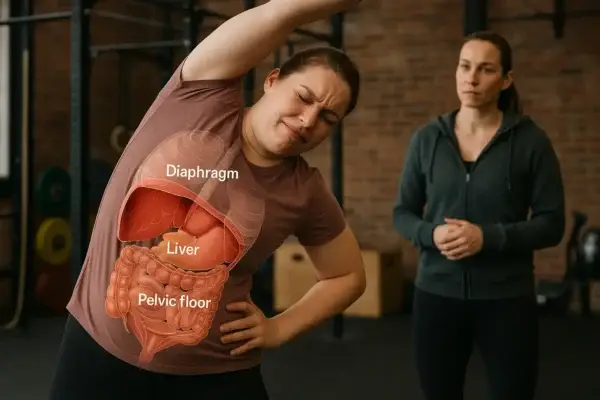
A member joined us after an accident left her liver inflamed. We developed a targeted approach—balancing her diaphragm, pelvis, and surrounding fascial chains. She made progress. Over the weekend, she did some group stretching that “felt fantastic” at the time, especially side bends. Unfortunately, her liver was still sensitive. That movement, though pleasant, compressed and stressed her liver, triggering pain. What felt good wasn’t actually safe for her physiology.

Many people make a similar mistake in their own fitness routines—picking only exercises that feel good, or only the ones they prefer. Negative consequences might not show up right away, but over years, hidden imbalances can lead to joint wear, pain, or dysfunction.

The Science: True Body Balance and Awareness

Real body wisdom comes from training all structures, knowing what each area needs, and learning to listen to subtle feedback—not just chasing what feels comfortable. Diaphragm, pelvic floor, and fascial connections are especially complex. Their health is linked to proper breathing, mindful movement, and core integration—not just one “feel good” activity.

Balanced programs involve:

  • Coaching and assessment to identify weaknesses and risks.
  • Progressions that cultivate both mobility and stability.
  • Full-body movement routines (not just “favorite” exercises) to align and wake up all structures.

Take Action: Train for Whole-Body Balance

Start simple: build body awareness, learn proper breathing (including diaphragmatic breathing), and work with a professional to develop correct patterns and progressions. Don’t trust just your instincts—trust evidence-based programs and feedback.

Dive deeper into safe, balanced fitness routines and how to truly educate your body:
Segmental Muscle Strengthening

Find out more @

Facebook

LinkedIn

Pinterest

Instagram

Youtube

Bluesky

Sitting At Your Desk Like This Will Help Your Back and Neck Pain

desk sitting posture neck back pain

How’s it going? It’s Ekemba from SolCore Fitness again—answering your questions about the best posture for sitting at a desk or in your car.

First, a critical truth: Prolonged sitting is hard on the body. Anything stagnant stresses circulation, muscles, and joints. Standing desks have helped, but trade-offs exist—standing too long shifts the problem to the feet and circulation. Your body wants to move, so break up sitting time by walking, doing jumping jacks, or stretching every hour.

Desk Posture Science: Three Essentials

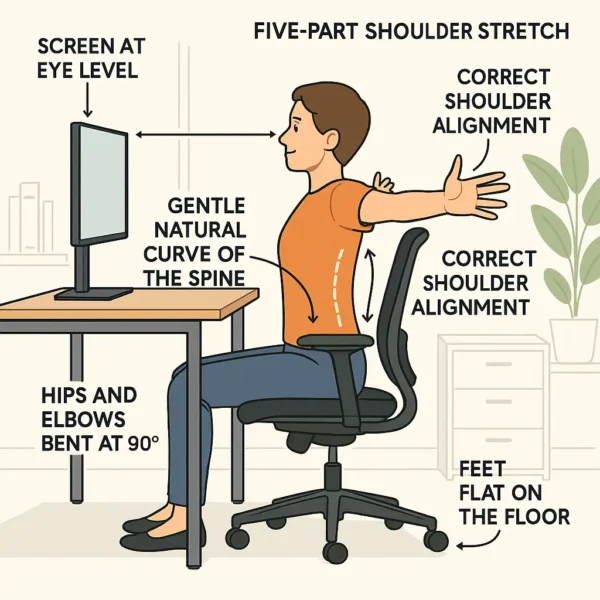
  1. Monitor Height: Line your eyes with the top third of the screen—too high or low strains the neck, throwing off posture and spinal alignment.
  2. Elbows & Hips: Aim for approximately 90 degrees. This reduces compression in the hips and elbows. Feet should rest flat on the floor, with thighs parallel—a position supported by ergonomic evidence to minimize back and leg strain.
  3. Movement & Breaks: Break sitting every 30–60 minutes. Gentle walks, standing, or desk stretches—like a seated arch or standing back arch—combat the body’s natural tendency to creep into unhealthy positions.

Exercise Tip: Open Up Your Shoulders

Don’t just sit—move, even while seated. Try the “five-part shoulder” exercise to open your shoulder girdle:

  • Sit forward in your chair, grow tall, reach arms out, push away, lift arms to the ceiling, push forward, do a row, open and close the doors, reach toward your opposite shoulder blade, and repeat.
  • Do 5–10 rounds periodically throughout the day.
  • Notice which parts feel hard—these areas often need more stretching and myofascial work.

Why Myofascial Stretching and ELDOA Work

Poor posture rounds the spine and compresses joints. Myofascial stretching and ELDOA target muscle chains and joints, opening the body for better alignment and reducing pain. Targeted stretches support correct sitting position and long-term resilience.

Explore systematic approaches for office posture, stretching, and pain relief:
ELDOA: The Ultimate Spine And Joint Exercises

Find out more @

Facebook

LinkedIn

Pinterest

Instagram

Youtube

Bluesky

Make Sure You Put These Three Items In Your Workout Program Before Starting


Good morning, everybody. It’s Ekemba from SolCore Fitness. I’m here to talk to you about starting your fitness goals for the new year and setting yourself up for sustainable success. What are three things a truly effective program needs?

  • Goals
  • Consistency
  • Compassion

Why these three?

  • Goal setting: If you don’t have clear goals, you won’t know what you’re working toward. Random acts of movement or activity won’t move you closer to a purpose. Specific, meaningful goals help you focus, adapt, and actually achieve what matters.
  • Consistency: It’s like any goal in life; results come from regular action. Consistent workouts, sleep, hydration, and nutrition routines—not occasional efforts—build lasting change.
  • Compassion: Growth and improvement challenge you. With those challenges come frustration and doubt. Show compassion for yourself along the way—accept setbacks, stay positive, and recognize that the journey is as valuable as the destination.

Of course, all of this is only possible with a balanced workout program. You need a program designed to holistically balance your body from the inside out, supporting all your goals and keeping you safe as you grow strong.

Explore the most up-to-date resource for personalized, science-based programs:
Personalized Workout Program

If you’re ready to build a truly balanced, sustainable fitness plan, call us at 505-577-2171 or email us at info@solcorefitness.com.

Find out more @

Facebook

LinkedIn

Pinterest

Instagram

Youtube

Bluesky

Get in Shape to Run, Don’t Run to Get in Shape

running preparation injury prevention

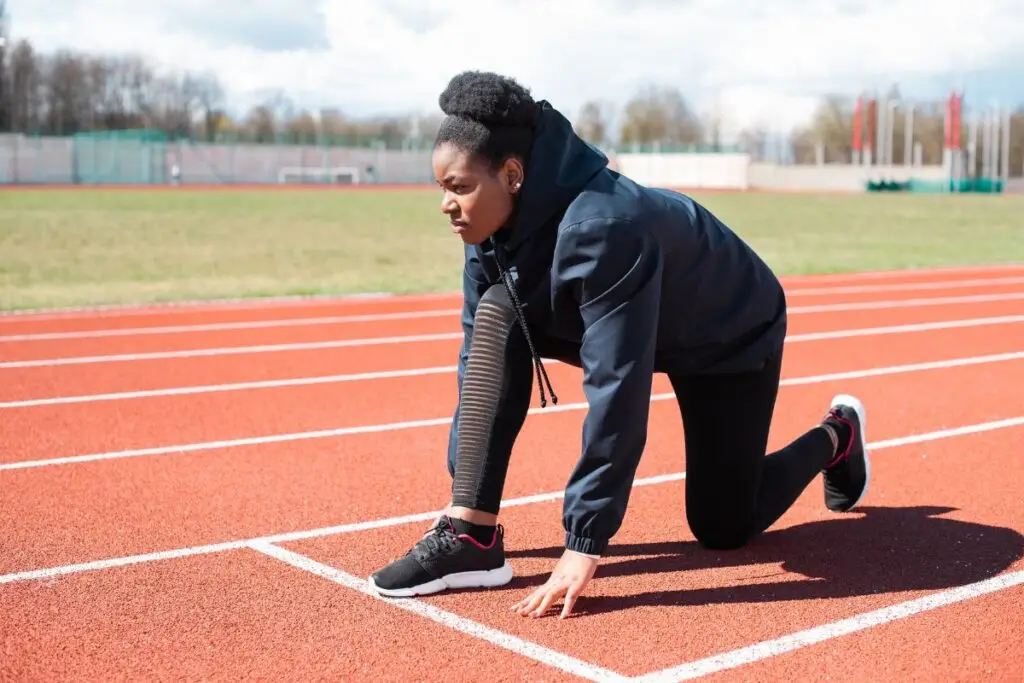
Hey, it’s Ekemba from SolCore Fitness again, answering one of the top fitness questions—should you just start running to get in shape? Absolutely not. You want to build a strong, balanced foundation before you go pounding the pavement.

Why Preparation Matters

Let’s start by looking at simple walking. For someone weighing 100 lbs who does 10,000 steps per day—that’s about five tons of cumulative load on the hips and joints. When you run, that force multiplies, sometimes reaching three times your body weight with every stride. Desk jobs, sedentary habits, and old injuries leave most bodies imbalanced—hips, abs, posture, and muscle chains are weak or tight.

Jumping into running, hiking, or even fast walking on an unprepared body is like loading the tilted Golden Gate Bridge with cars. Sooner or later, the structure fails. That’s how people end up with worn cartilage, chronic pain, or joint limitations years down the line.

Science: Running vs. Walking—Impact and Benefits

  • Running: Builds muscle, boosts cardiovascular fitness, accelerates calorie burn, and supports bone density—but only if joints and connective tissue are ready for those repeated high-impact forces.
  • Walking: Lower impact, easier on the joints, and far more sustainable for beginners or those with chronic pain. Both deliver excellent health benefits, but walking puts less stress on your frame.

Whether you walk or run, preparation and balance are everything.

How to Prepare Your Body

The solution is simple: get in shape to run, don’t run to get in shape. Before hitting the trail:

  • Practice myofascial stretching to lengthen and balance muscle chains.
  • Integrate segmental strengthening to stabilize small, critical muscles holding posture and limbs in place.
  • Use corrective movement techniques like ELDOA to open joint spaces and restore healthy alignment before high-impact exercise.

These methods prepare your body for loading, keep every joint moving well, and dramatically reduce your risk for overuse injuries, pain, and joint breakdown.

Explore balanced, science-backed movement and injury prevention here:
Global Strengthening (GS): The 7 Primal Movements Exercises

Find out more @

Facebook

LinkedIn

Pinterest

Instagram

Youtube

Bluesky


How Do You Eat an Elephant? One Bite at a Time

Getting “fired up” at the start of a new health or fitness program is fantastic—the initial motivation is like fuel that propels you forward. But as research and experience show, progress comes not from motivation alone, but from consistent, manageable steps and the right approach to goal-setting and progress.

Why Consistency Matters Most

The real challenge comes after the excitement fades. It’s easy to stumble into a dip or plateau, where progress feels slow or invisible. This is where dedication and small habits shine:

  • Consistency is the single most important factor in reaching long-term goals. Whether it’s working out a few times a week, stretching daily, or choosing healthier meals, those small steps compound like interest—building real change over time.
  • Forget perfection or “all-or-nothing” thinking. Sustainable success comes from showing up, doing what you can, and letting your routine become second nature.

The Mindset Shift: Managing the Struggle

Anything worthwhile requires a little struggle. But struggle is an opportunity—a chance to learn, adapt, and grow stronger.

  • A growth mindset lets you view setbacks as learning moments, not failures. Instead of quitting during tough times, persistent habits get you through the low points, keeping you on track for those breakthrough moments.

As the saying goes: It doesn’t get easier; it becomes more manageable.

Progress Is Built, Not Found

You may not see results immediately, and progress can seem frustratingly slow. But each bite-sized step—each workout, healthy choice, or positive act—gets you closer to your goal. Research confirms that habit formation and long-term progress are fueled by discipline, realistic goals, and self-compassion—not motivation alone.

Explore structured programs for consistent, manageable progress:
Personalized Workout Program

Find out more @

Facebook

LinkedIn

Pinterest

Instagram

Youtube

Bluesky


Personal Training Success Story Santa Fe – Brian DeBenedetti

Brian DeBenedetti lower back pain personal training testimonial

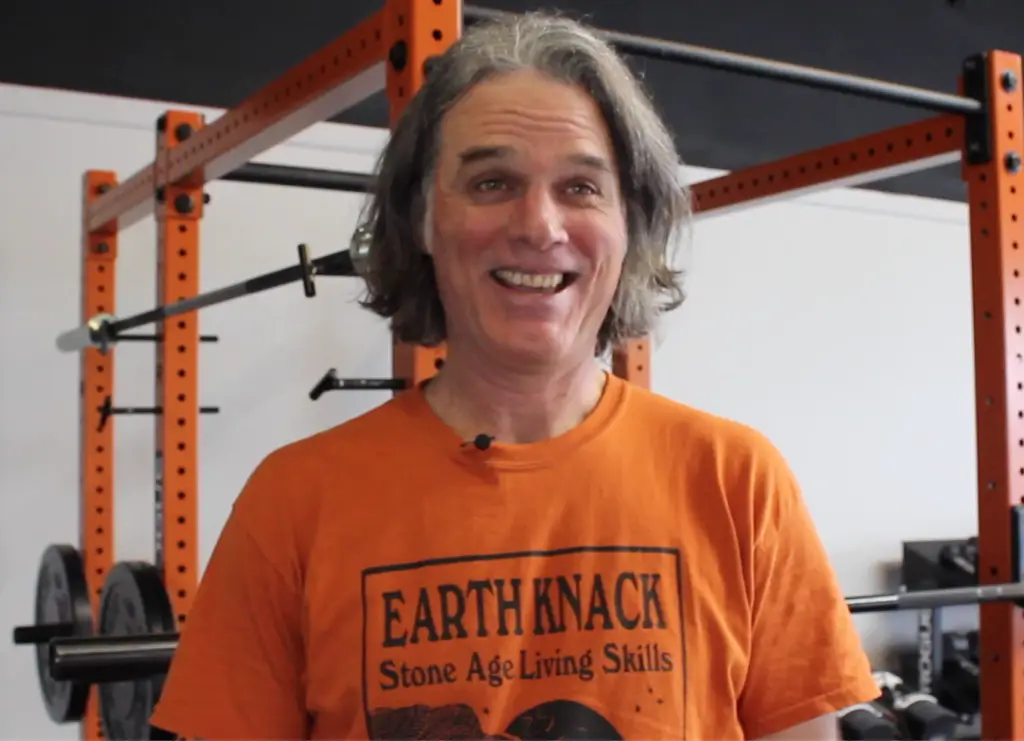
My name is Brian DeBenedetti, and I teach construction skills to young adults earning their GED along with a construction certification. I’ve always been tall, athletic, and (honestly) sometimes clumsy, working in the trades most of my life. For as long as I can remember, my lower back was always giving me trouble.

I tried every modality I could find—yoga, acupuncture, you name it. Nothing truly helped me consistently maintain my lower back health or let me get out of bed pain-free, enjoy life, and keep teaching. SolCore Fitness has been the best thing I’ve found.

Ekemba is sometimes a little bit like a drill sergeant, but I needed that. He keeps you on task, giving clear, constant directions for every pose, so you actually learn how to multitask and move with precision. He’s consistent, focused, and everyone likes him. Kim was great too. SolCore Fitness has truly worked for me, helping me overcome back issues and improve my daily life.

Why Brian’s Results Matter—Science of Moving Beyond “Quick Fixes” for Back Pain

Chronic lower back pain often stems from years of imbalance, poor posture, and repetitive strain.

  • Yoga and acupuncture may offer temporary relief, but evidence shows that consistent, structured exercise programs focused on mobility, core strength, and active guidance create long-term improvement and pain prevention.
  • Expert-led sessions like those at SolCore Fitness use biomechanical cues, real-time corrections, and individualized progressions—helping students learn to move smarter, not just harder.
  • Regular participation and accountability build habits that last, restoring function and resilience far beyond the gym.

Brian’s story highlights that sustainable results require more than “good intentions.” Knowledgeable coaching, consistent effort, and holistic implementation transform daily movement and lifelong health.

Explore personal training for pain-free movement, core strength, and lasting relief:
Personal Training and Manual Therapy

Find out more @

Facebook

LinkedIn

Pinterest

Instagram

Youtube

Bluesky

What is “Being Strong”

core strength mobility training longevity

Many people over 50 looking to “get strong” start by joining a gym, using machines, walking the treadmill, or doing isolated exercises. But real functional strength isn’t about how much weight you curl or how long you spend at the gym—it’s how much of your body you can access, connect, and use in harmony.

What Does “Strong” Really Mean?

True strength means your feet, legs, core, and upper body all work together. If you have back pain, rounded posture, or poor muscle patterns, isolated exercises like biceps curls only increase dysfunction and never address the root.

  • Strength is connection: being able to move, stabilize, and coordinate all your muscles for daily activities and resilience.

The Science: Functional Strength Training

Research shows that functional strength training (multi-joint and multi-planar movements) benefits people at every age, especially middle age and older adults.

  • It builds mobility, joint health, and overall movement confidence.
  • Regular training counters muscle loss, preserves bone density, and improves energy.

Advanced Approaches for Lasting Strength

SolCore’s approach uses:

  • Myofascial stretching for whole chains of muscle and fascia—building not just isolated strength but global tissue balance.
  • ELDOA for joint space and resilience.
  • Global stretching, primal movements, and awareness for truly integrated, lasting functional strength.

Balanced, science-based routines help your body normalize, heal, and stay strong for life.

Explore specialized functional training and holistic exercise science:
Global Strengthening (GS): The 7 Primal Movements Exercises

Find out more @

Facebook

LinkedIn

Pinterest

Instagram

Youtube

Bluesky

The Amazing Benefits of Keeping Fit for People in Santa Fe!

Regular exercise is much more than burning calories. Fitness improves the way your body and mind feel at any age—and research shows it’s even more essential than just losing weight. Check out eight trusted benefits:

Eight Trusted Benefits

  • Healthy Heart: Exercise strengthens your heart, improves circulation, and lowers your risk of heart disease.
  • Stronger Muscles and Bones: Workouts build muscle, increase bone density, and prevent injuries—especially for older adults.
  • Fat Burn and Calorie Boost: Fitness increases metabolism, helping your body burn calories even when you’re resting.
  • Lower Stress: Movement triggers endorphins, relaxes your mind, and helps you shake off anxiety after a tough day.
  • Better Sleep: Exercise helps you sleep deeper and recover faster—so you feel refreshed.
  • Improved Focus: Workouts boost brain circulation, helping you think faster and stay clear-headed.
  • Lower Blood Pressure: A fit heart pumps blood more efficiently, which naturally lowers blood pressure.
  • Better Posture: Regular fitness keeps your spine healthy and your posture strong, keeping back pain away.

Fitness for Every Age and Level

Anyone can practice fitness. Whether it’s flexibility, strength, or movement, there’s a program for every age and every body. Consistency brings long-term benefits—inside and out!

Explore group exercise classes and holistic programs in Santa Fe:
Group Exercise Classes

Find out more @

Facebook

LinkedIn

Pinterest

Instagram

Youtube

Bluesky