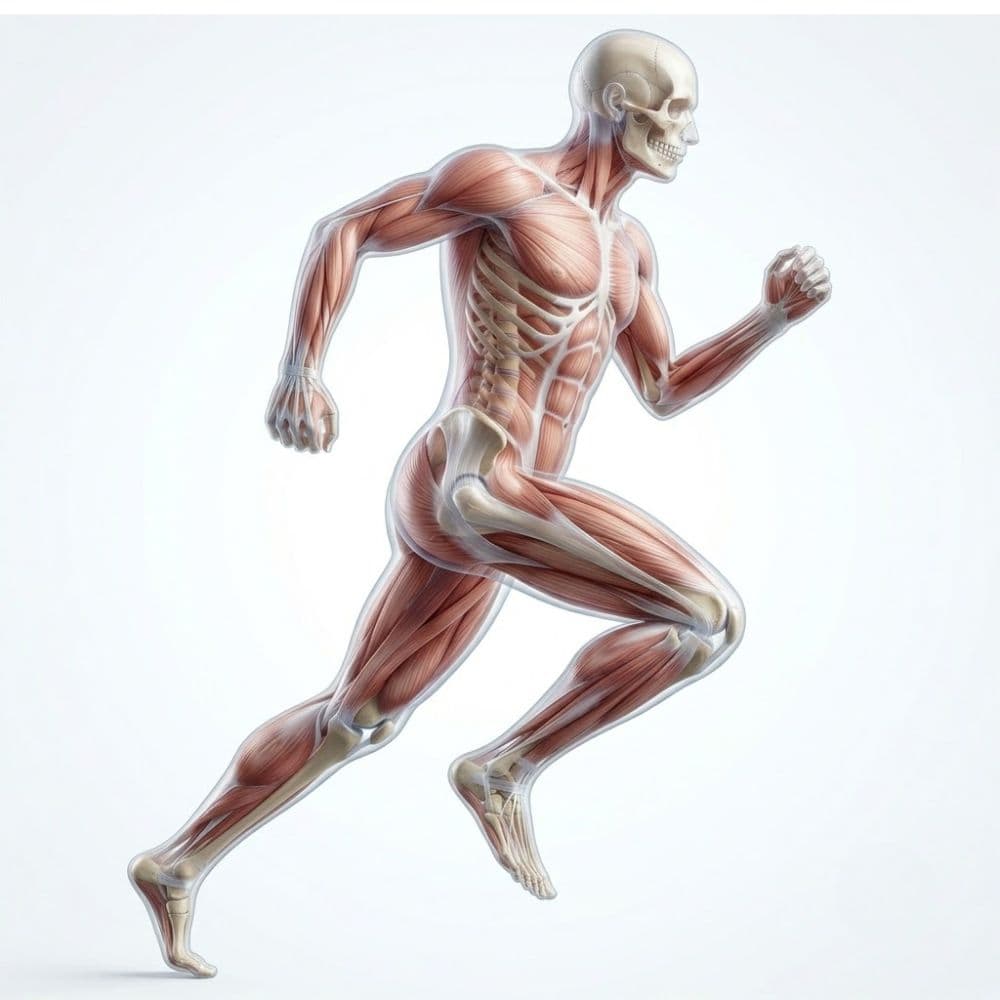
Core strength

The Difference Between Having a Routine and Having a System

The Difference Between Having a Routine and Having a System

Here’s the truth about your exercise system vs routine: throwing together exercises with random stretches is like trying to form a sentence by picking random words out of a book. It might look like something. But it doesn’t say anything.

Most people have a routine. Very few have a system. And the difference between those two things is the difference between spinning your wheels and actually changing your body.

Coach’s Corner

I had a client tell me once, “I’ve been working out consistently for 15 years.” And I said, “Great. How do you feel?” She paused. “Honestly? About the same as when I started. Maybe worse.”

Fifteen years. Consistent. Dedicated. And her body was no better — arguably worse — because she’d been doing the wrong work consistently. She had a routine. She did not have a system.

The aches and pains that come with getting old usually come from doing a bunch of dumb shit for a long time. And sometimes that “dumb shit” looks responsible. It looks like going to the gym three times a week. It looks like a stretching routine before bed. It looks like effort.

But effort without intention is just wear and tear with good PR.

Why Routines Fail

A routine is a list of things you do. Monday is legs. Wednesday is arms. You stretch after. You foam roll sometimes. You picked most of it up from a trainer five years ago, a YouTube

video, a friend who “knows about fitness.”

The problem isn’t that the individual exercises are bad. Some ofthem might be fine. The problem is they don’t connect. There’s no strategy linking one exercise to the next. No understanding of which fascial chain needs work, which segment needs decoaptation, which pattern needs breaking before you can build something new.

You’re doing activities. You’re not following a progression.

And here’s what makes it worse: every exercise you do reinforces whatever pattern your body is already in. If your fascia is restricted and your joints are stuck, your routine doesn’t fix that — it cements it. You get stronger in a dysfunctional pattern. You get more flexible in a compensatory range. You feel like you’re making progress because you’re sweating and your endorphins are telling you that you did something good — but your body is just digging deeper into the same groove.

Getting treatments for the symptoms that show up — the massage, the adjustments, the ibuprofen — without ever fixing the underlying pattern? That’s not maintenance. That’s making the problem worse. Your body compensates around the “fix,” builds new patterns on top of broken ones, and now you’ve got two problems instead ofone.

What a System Does That a Routine Can’t

A system starts with a question: what does your body actually need?

Not what does your routine say. Not what’s popular. Not what your friend does. What does YOUR body — with its specific restrictions, compensations, imbalances, and goals — actually need to function better?

A system answers that question and then builds a progression:

First, identify and correct dysfunction. This is where E LDOA comes in — targeted decoaptation that creates space at specific segments. You can’t build on a foundation that’s stuck. You have to unstick it first.

Second, retrain the fascia and restore segmental independence. Myofascial stretching, corrective exercises, proprioception work — all targeted at the specific chains and segments that need attention. This is where patterns actually change.

Third, build strength and movement capacity on top ofthe corrected foundation. Now your strength training means something. Now your mobility work sticks. Because the system underneath supports it instead ofundermining it.

Each step builds on the one before it. Skip a step and the whole thing falls apart — which is exactly what routines do. They skip straight to step three and wonder why nothing changes.

The Age ofthe Passport vs. The Age ofthe Body

My teacher, Guy Voyer, said something I’ve never forgotten: the age ofthe passport and the age ofthe body can be different. You can be 50 with a 30-year-old body. Or you can be 50 with a 70-year-old body.

The difference isn’t genetics. It’s not luck. It’s whether you had a system or just a routine.

A routine can keep you busy for decades and leave you no better than where you started. A system changes the age ofyour body — because it addresses the actual structure, not just the surface.

Pain. Prevention. Performance. One System.

If you’re in pain — the system corrects the dysfunction causing it. That’s what Marja experienced. Three broken vertebrae. Doctors said she’d never garden again. The system brought her back to pain-free independence.

If you’re preventing — the system corrects dysfunction before it becomes a problem. The same issues that cause pain are already building in your body. A system catches them before they announce themselves.

If you’re chasing performance — the system removes the ceiling. Every stuck joint, every restricted fascial chain, every compensatory pattern is limiting your output. Correct it and your body can do more than your routine ever allowed.

The Lower Back ELDOA + Big Bang Bundle

I built two programs that work together as one complete lower body system.

The Lower Back ELDOA course targets your lower back — the specific segments where most people feel the problem. $52. Lifetime access. 17 minutes, 3–4 times a week.

The Big Bang goes deeper. It targets the entire lumbo-pelvic-hip region — the iliopsoas, the deep glutes, the obturator internus, and the L5/S1 connection. This is the foundation your spine sits on. On its own, it’s $350.

But buy the Lower Back ELDOA course and you can add the Big Bang for $216 — that’s $268 total instead of$350. You save $134.

Why cheaper together? Because the two programs are designed to work as a system. The Lower Back course fixes the point ofpain. The Big Bang addresses the entire region around it. Together they give you a complete lower body foundation — not a routine, a system.

Start HERE

Buy the Lower Back course and you’ll see the Big Bang add-on for $216. Don’t miss the bump.

Or if you want the Big Bang on its own: Get HERE

Either way — stop collecting exercises. Start following a system.

Don’t make me come check your form.

Follow the Thread — Where Movement, Fascia, and Freedom Align

Find more insight, reflection, and fascia-informed care:  
Facebook

Bluesky

Pinterest

Instagram

YouTube

LinkedIn

Working Out Is Not Just for Your Muscles

Working Out Is Not Just for Your Muscles

If your idea ofa holistic fitness program starts and ends with muscles, you’re missing the bigger picture. Your muscles are, to put it bluntly, stupid pieces of meat. They don’t decide anything. They don’t organize your movement. They don’t determine your posture. They just contract when they’re told to.

The question is: who’s doing the telling?

Coach’s Corner

I say this to clients all the time and they look at me like I’ve lost my mind: “Your muscles are stupid pieces of meat.”

But it’s true. Your muscles don’t know what good posture is. They don’t know the difference between a healthy movement pattern and a compensatory one. They just fire when the nervous system says fire, along the lines that the fascia has organized.

So if your fascia is restricted, your joints are stuck, and your nervous system is sending signals through compensated pathways — it doesn’t matter how strong your muscles are. They’re just going to be strong in the wrong pattern.

That’s why I’ve seen people who can dead lift 300 pounds but can’t touch their toes without their whole body compensating. Strong muscles. Dysfunctional system.

The System Underneath the Muscles

The soft tissue always wins. That’s not a slogan — it’s biomechanics.

Your fascia is a continuous network of connective tissue that wraps every muscle, bone, nerve, and organ in your body. It doesn’t just passively hold things together — it actively organizes how your body moves, holds tension, and distributes force. Research confirms that fascia plays a central role in movement coordination, force transmission, and proprioception.

When you train only your muscles, you’re training the employees but ignoring the management structure. The fascia determines which muscles activate, in what order, with how much force, and along which lines oftension. If that system is dysfunctional, your muscles will just reinforce the dysfunction — with more force.

A real holistic fitness program trains the whole system: fascia, joints, proprioception, segmental strength, and global movement patterns. The muscles get stronger as a byproduct — but they get stronger in the right pattern, along the right lines, with the right coordination.

What a Holistic Fitness Program Actually Looks Like

It’s not yoga and green smoothies. It’s not random stretches before your workout. And it’s definitely not throwing together exercises you found on YouTube and hoping they form a coherent sentence.

A real holistic fitness program has intention. Every exercise, every stretch, every technique is chosen for a specific reason and builds on the one before it. Here’s what that includes:

ELDOA — targeted joint decoaptation that creates space between specific segments of your spine and joints. This restores segmental independence so each part of your body can do its own job instead of compensating for a neighbor.

Myofascial stretching — active stretching that doesn’t just lengthen a muscle, but reorganizes the entire fascial chain it belongs to. This is how you actually change the tissue, not just temporarily relax it.

Segmental strengthening — building strength at specific fiber directions within individual muscles, in the context of their fascial chains. This is precision, not just power.

Proprioception training — teaching your body to sense and control its position in space. This is how you build the brain-body connection that Marja talks about — the difference between blindly following exercises and actually feeling what your body is doing.

Global strengthening — training the whole system to work as an integrated unit through functional movement patterns.

Each one matters. Skip one and the system has a gap. That gap becomes a compensation.

That compensation becomes your next problem.

Why This Matters for Performance

Ifyou’re active and training hard, this isn’t about slowing down. It’s about removing the ceiling.

Every dysfunction in your fascia, every stuck joint, every compensatory pattern is limiting your output. You might not feel it as pain — you feel it as a plateau. The lift that won’t go up. The mobility that won’t improve. The recovery that takes longer than it should.

ELDOA corrects dysfunction at specific segments. The more you do them, the more functional and optimized those areas become. That’s not rehab. That’s performance.

The Takeaway

Stop training your muscles like they’re the whole story. They’re the last chapter. Start at the beginning — fascia, joints, proprioception, structure — and the muscles will follow.

If you want to see what this system looks like in practice, the Lower Back ELDOA course is the entry point. $52. It targets the segments most people have been ignoring while they chase muscle.

Started HERE

And stay tuned — next week I’m introducing the Big Bang, a structured routine that targets the entire lumbo-pelvic-hip region your spine sits on. The foundation underneath the foundation.

Don’t make me come check your form.

Follow the Thread — Where Movement, Fascia, and Freedom Align 

Find more insight, reflection, and fascia-informed care:  

Facebook

Bluesky

Pinterest

Instagram

YouTube

LinkedIn 

Gardening. The Unwanted Effects On Your Body.

🌱 Gardening Hurts? How to Protect Your Body While Doing What You Love

Gardening brings joy to so many people — the satisfaction of growing your own food or flowers, the quiet peace of working in the soil. But for many, it also brings back pain, neck stiffness, sore knees, or overall fatigue. It doesn’t have to be that way.

I’m Ekemba Sooh, owner of SolCore Fitness. I’ve been in the health and fitness field for over 30 years, working under the osteopathic model. And here’s what I want you to know:

Gardening is a sport. It’s physically demanding. And like any sport, if you don’t prepare your body for it, you’ll pay for it.

In this blog, I’ll break down:

Simple things you can do to avoid injury and feel better

Why gardening leads to pain

What’s really happening to your knees, back, and spine

Click on the image to watch the video

🌻 Gardening is More Demanding Than You Think

Here’s what most people miss: gardening places a huge load on the body.

You’re squatting, bending, twisting, lifting, and often holding these positions for long periods. That’s a combination of:

  • External load (heavy pots, rocks, plants)
  • Postural load (static crouching, awkward angles)
  • Repetitive strain (hours of weeding, digging)

One of my clients — an art teacher — came to me years ago with chronic pain. After months of work, she felt great and was living her life again… until one weekend she gardened for five hours straight. No warm-up. No cool-down. She undid months of progress in one afternoon.

This isn’t about fear — it’s about awareness.


🦵 Your Knees: Why Squatting Hurts Later

Gardening involves constant squatting, both dynamic and static. The knee joint is most stable at 90 degrees — but once you drop lower, things start to rub.

A law in biomechanics called Delpech’s Law tells us that high pressure on a surface leads to the body producing more tissue. In the knees, this can lead to roughened cartilage, causing pain, grinding, and inflammation — especially if you do it over and over without support.


🧍‍♂️ Your Lower Back: Lever Arms & Fascia Fatigue

Ever notice how heavy things feel when you’re bent forward? That’s the lever arm principle. The further out the weight (or your torso), the more strain on your lower back.

From your belly button to your pelvis, you don’t have bones to hold things together. Your fascia — soft tissue layers — does the job. But fascia needs to be hydrated, supple, and trained to support load.

If your fascia isn’t prepped, long hours in bent-over positions can overwhelm it. That leads to tightness, spasms, or worse.


🌀 Your Spine: Why Flexing and Twisting Are Dangerous

Most gardening tasks involve two risky combinations:

  • Flexion + Rotation (scooping dirt, weeding)
  • Extension + Rotation (reaching up and twisting)

Both compress the spine’s joints and increase the risk of disc issues like bulges, herniations, or pinched nerves — especially if your spine isn’t stabilized by surrounding muscles and fascia.

This isn’t about avoiding movement. It’s about training your body to handle those movements safely.


🏋️‍♀️ What You Can Do to Prevent Gardening Injuries

Here are the three keys to keeping your body pain-free while gardening:

1. Train Like It’s a Sport

You wouldn’t try to deadlift 500 pounds without a program, right? Gardening is no different. Your body needs a holistic strength and mobility plan based on what you’re asking it to do — not just general workouts, but targeted prep for your spine, knees, pelvis, and fascia.

2. Warm Up Before Gardening

Your body is like an old car — it needs a few minutes to “rev the engine.” A proper warm-up turns on your muscular and neurological systems, thins out the fluids in your joints and fascia, and helps prevent injury.

Here’s a short warm-up that targets the most stressed areas:

👣 Knees

  • Knee Circles (clockwise and counterclockwise)
  • Figure 8s (vertical and horizontal)
    These gentle movements lubricate the joint and prep ligaments for squatting.

🧘 Pelvis

  • Pelvic Rocks in a wide-stance position with knees bent and torso upright. Helps activate the hips and lumbar spine.

🌀 Spine

  • Torso Translations & Tilts with arms in external rotation. Warms the ribcage and mid-back while protecting from over-compression.

Just 5–7 minutes of this can drastically improve how your body handles the demands of gardening.

3. Recover After Gardening

You’ve loaded the system — now you have to unload it. Stretch the areas you used. Use fascia-specific movements or myofascial stretches to rebalance the body. Don’t just sit down and let it tighten up.

Using Osteopathic manual therapy techniques like TTLS, work with the body and speed up healing to regain function.


🌿 Want to Keep Gardening for Life?

If gardening brings you joy, it’s worth protecting. And if you want help, I’ve got 3 easy ways to start:

Let me help you garden smarter, not harder — and keep doing what you love for years to come.

Building a foundation for a better life.

Find out more @

Facebook

BlueSky

Pinterest

Instagram

Youtube

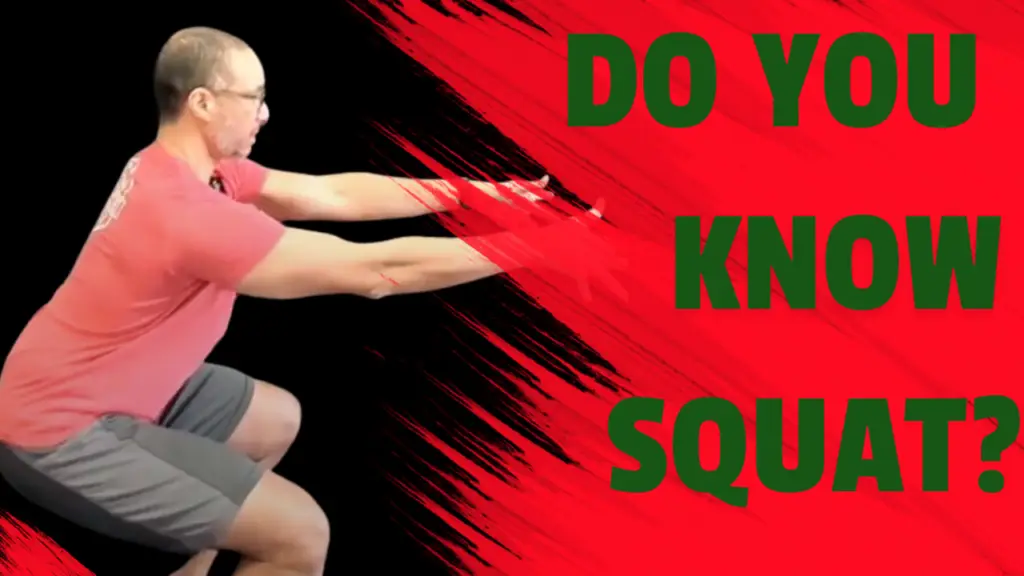
Unlocking the Power of the Squat Exercise

The squat exercise is one of the seven primal movements. But unlike the others, a properly executed squat is the only one that can directly improve your posture.

Most people learn to squat the wrong way. Fitness classes, trainers, and online videos often pass down bad form like it’s tradition. Challenges like “100 squats a day” only reinforce poor patterns. They don’t teach you how to move—they teach your body how to compensate.

That’s a problem.

Click the image to watch the full video.

Why the Squat Exercise Matters So Much

A squat isn’t just for building legs or glutes. It’s a global movement that involves your whole body working together. In fact, it’s made up of multiple smaller systems working in harmony—from your pelvic floor to your jaw.

Done right, it’s one of the most powerful tools you have for long-term strength, mobility, and posture.

Done wrong, it becomes a slow leak—wearing down your body over years until the damage is finally too loud to ignore.


Most People Are Taught the Squat All Wrong

When I started training back in my teens, I was told to arch my back, stick my butt out, and look up. It felt powerful—but it placed massive stress on my lower back and neck. I didn’t feel pain for years. But by the time I hit 35, that form had helped cause a spinal issue and sciatic pain.

That’s how compensation patterns work. You don’t feel them until they’ve done damage.

And unfortunately, a lot of fitness systems still teach that exact form today.


The Squat and Posture: A Unique Relationship

Unlike bending, pushing, or pulling, the squat uses and improves your posture—if done correctly.

Your postural system is made up of:

  • The Plumb Line (ear, shoulder, hip, knee, ankle alignment)
  • The Gravity Line (a 4-degree cone rising from your pubic bone)

The squat interacts with both. If your plumb line is off, squatting can make things worse. But if you squat with awareness and alignment, it actually helps reinforce your posture inside that gravity cone.


What It Takes to Do a Proper Squat Exercise

The squat is built from many parts. Each part needs to function independently before it can function together.

Here’s what that means:

✅ The Beam Phenomenon

Your torso needs to move like a solid beam—no wobble. That requires training your:

  • Pelvic floor
  • Abs (especially lower abs)
  • Diaphragm
  • Lats
  • Pecs
  • Fascia in the mouth and throat

✅ Foot and Ankle Mechanics

Your feet are your foundation. A weak or collapsed arch (especially at the navicular bone) throws off everything above. You may need arch support or proper shoes when lifting heavy.

✅ Pelvic Tuck and Knee Drive

A good squat is knee-dominant. That means knees move first—not hips.

At the same time, keep your pelvis tucked and chin tucked to stay in the beam. This requires both abdominal strength and fascial flexibility in the back.

If your soleus and calves are tight, your heels will lift and stop your knees from driving forward. So you may need to stretch and strengthen your calves to get full range.


Learning to Squat Means Slowing Down

If you’re constantly focused on performance or fat loss, you’re not giving your body the time it needs to learn proper form. And in a class environment, correcting your form often isn’t the priority.

That’s like trying to learn typing by mashing keys as fast as possible without learning the keyboard.

It’s not a matter of willpower—it’s just bad input. And bad input = bad output.


Good Squat = Good Life

Learning how to do a proper squat gives you a relationship with your body.

You’ll learn where you’re tight, where you’re weak, and where you’ve been compensating without even knowing it. And when you address those things, your body responds.

You get stronger. You feel better. You age slower.


Want Help With Your Squat?

I’ve helped thousands of people reconnect to their bodies through correct, holistic training. Here’s how you can start:

You’ve been given a body that can last 90+ years. The squat exercise is one of the best ways to take care of it.

Let’s make sure you’re doing it right.

it’s not just working out, it’s building a foundation for a better life.

Find out more @

Facebook

BlueSky

Pinterest

Instagram

Youtube

5 Ways to Grow Now that Summer is Over

post-summer personal growth

Post-summer personal growth and personal health are essential—now is the perfect time to weave them together for maximum impact. As we step into autumn’s new rhythms, challenge yourself to grow in one or more of these five areas and set the stage for real, lasting change.

1. Embrace the Outdoors

As temperatures drop and crowds thin, take advantage of local trails, parks, or outdoor activities that both excite and intimidate you. Is there a hike or sport you’ve always wanted to try? Setting a concrete goal—whether it’s a challenging route or a new personal record—keeps you motivated and accountable. Preparing for those activities means pairing activity-specific training (think mobility and strength) with corrective routines that address wear and tear, so your body stays balanced and resilient for every new outdoor adventure.

2. Commit to a Gym Challenge

Fall is the time to upgrade your routines. Pick a weekly attendance goal that pushes you slightly outside your comfort zone, or try a new class that stretches you mentally and physically. Whether you add another day, take on a new program, or explore mind-body classes, this intentional discomfort leads to sustainable progress and new confidence. Remember, success comes from a mix of consistency and embracing occasional novelty.

3. Eat Whole, Nourishing Foods

After a summer of barbecues and travel, reset your nutrition with a challenge: shop the outer perimeter of your grocery store, focusing on fresh produce, proteins, and healthy whole foods. Skip the boxes, bags, and ingredient lists you can’t pronounce. Learning to cook new, seasonal recipes together as a family or with friends adds joy and reinforces healthy habits that fuel all of your other goals.

4. Deepen Stress Management Practices

Transition can spark stress. Use this time to go deeper with your mindfulness practice—whether it’s meditation, prayer, or deep breathing. If you’re experienced, read a new book or try a more advanced practice. If not, start with just a few minutes a day; small steps compound over time. Give yourself permission to slow down and reset your mental game for fall. This one shift can create ripple effects across your mood, focus, and gratitude.

5. Play!

Growth doesn’t always mean working harder—it means finding balance and joy. Remember your childhood summers and add a little play back into your life: toss a frisbee with friends, ride bikes with your kids, or set up a game night. Not only will this boost your energy levels and mood, but it trains you to appreciate movement for fun—not just obligation. Always follow up by thanking your body: take time for recovery with stretches and corrective exercises, so you’re ready to play again.

For more on building habits and maximizing results at the gym, see our Personal Training page.


As the season changes, now is the perfect time to refocus on what matters most and tap into your natural drive for growth. And if you need extra inspiration, just check out my son (age 6!) tackling a 3-mile hike down—and up—the Grand Canyon. Growth is natural for kids, but it’s still a choice for adults. Make yours count.

Building a foundation for a better life.

Find out more @

Facebook

BlueSky

Pinterest

Instagram

Youtube

Linkedin

The Real Price of Freedom

The real price of freedom

Every July, we celebrate freedom—fireworks, flags, and reminders of our country’s origins. But personal freedom, the kind that defines how you live and move every day, comes with a deeper price tag—a cost most people don’t anticipate.

Think about your own experience. Maybe you remember being a rebellious teenager, convinced that adulthood would mean no rules, no curfew, total autonomy. When you finally got there? The “freedom” to stay up all night, skip workouts, eat anything, or do nothing… usually led to exhaustion, regrets, and feeling stuck—not independence.

Personal freedom isn’t about the license to do whatever you want; it’s about the power to choose wisely.
That freedom comes from mastery—over your actions, your health, your boundaries—and that mastery is built on focus, planning, sacrifice, and discipline.

The Paradox of True Freedom

If you want to live life truly on your own terms, you must first accept that “freedom” is earned. It’s the paradox of life:

  • The more discipline you have, the more freedom you gain.
  • The more you plan and focus, the more options appear.

Do you want to feel empowered—able to choose your response to life’s setbacks? Start by looking at these pillars:

Vision

Freedom starts with a destination. Can you clearly see what you want? Not just a vague desire for “health,” but a vision: “I wake up energized every morning; I play with my grandkids without pain; I travel without worries.” Vision is your target—without it, you’re just reacting, not choosing.

Planning

Once the vision is set, map the path. Identify what it’ll take—training, nutrition, time, savings, learning new skills. Anticipate obstacles: will you need an early wake-up to fit in daily exercise? Would you need to prep meals to support your body instead of grabbing fast food when overwhelmed? Freedom is built by stacking the deck in your favor.

Discipline

The “easy path,” moment to moment, is usually the most costly in the long term. It leads to declining health, strained relationships, lost confidence. Discipline is the opposite: the habit of following through on what you said you’d do, especially when it’s hard.
Every time you skip the “quick fix” for the real solution, you pay a small, upfront price—but you earn back decades of strength and independence.

Community & Sharing

True freedom is not selfish. Supporting others, helping friends or family chase their dreams, builds trust, resilience, and options. Show up for others and yourself; both are part of the equation.

The Cost If You Ignore This

If you never set a vision, you’ll drift from habit to habit—never free, just repeating cycles. Neglecting planning means living at the mercy of everyone else’s demands. Avoiding discipline keeps you in a cage built of “somedays,” excuses, and health challenges.
The ultimate price? Regret, exhaustion, dependency.

Applied Example

Take fitness. You could do whatever your friends are doing, skip mobility work, or follow social media trends, but your body may demand smarter movement, posture correction, or deeper healing. Freedom in movement comes from understanding and practicing the right disciplines for your unique body.

Freedom isn’t free—but it’s worth the price.

What’s one area in your life where you could add discipline, vision, and planning? One client realized she was spending hours “relaxing” after work, but felt stressed and lethargic. By swapping just two evenings a week for walks and meal prep, her energy soared, her mood lifted, and she felt more “free” on weekends—ready for adventure, not just survival.

Want a head start?

Start with our free resource—Move better, reduce pain and live life on your terms. The 4-Step Guide to break the cycle and keep it. It’ll teach you to set a real vision, create a scaffold of action, and keep your freedom for good.

It’s not just working out, it’s building a foundation for a better life.

Find out more @

Facebook

LinkedIn

Pinterest

Instagram

Youtube

Bluesky

The Real Cost of Not Investing in Your Health

The cost of not investing in your health

When people say, “Health is wealth,” it’s more than a cliché. Think about the years you’ve spent wanting a stronger body, better fitness, or less pain, only to get discouraged by the price tag—healthy groceries, a gym pass, personal training, even a visit with a physical therapist. It’s easy to be swept up in worry about expenses and end up doing nothing or settling for fads and free content online. But what’s the real cost—long-term?

The True Price of “Cheap” Health

Many have tried to save money by piecing together advice from YouTube influencers, hopping between random workout apps, or grabbing trial diets. Early results might come, but more often than not those “savings” turn into:

  • Persistent aches and injuries (like knee tendinitis that lingers for years)
  • Plateaus (weeks of sweat with no noticeable change)
  • A revolving door of motivation—up, down, and right back to square one

Just last year, I worked with a client named Lisa who had scoured the internet for budget fitness solutions. She’d spent $20/mo on cheap programs and skipped regular recovery support. By the time she reached me, she was frustrated, stuck, and struggling with a nagging hip injury—three months into “saving money.” Her health costs? Missed workdays, medical bills, months lost to pain.

Why Genuine Investment Pays Off

Research and real-world experience show investing in quality health habits pays dividends:

  • Energy: People who prioritize fitness and body care consistently report better focus, productivity, and vitality.
  • Mobility: Strong movement foundations reduce injury risk and unlock active living for decades.
  • Longevity: Most chronic diseases—heart, diabetes, arthritis—are delayed or avoided through regular training and smart nutrition.
  • Medical savings: Fewer doctor visits, surgeries, prescriptions, and missed life experiences.

And the best investment is in yourself. A personalized plan assesses your unique needs (posture, movement patterns, flexibility), adapts to your life’s realities (schedule, pain points), and uses progressive steps for lasting improvement.

The “Coffee Shop” Comparison

Consider what many people spend without batting an eye:

  • $50/week for lattes, snacks, or entertainment (over $2,500/year)
    But the same people hesitate to upgrade from “free content” when it comes to holistic health or exercise coaching, which actually moves the needle.

Stop Wasting Time—and Prevent Setbacks

Those most successful at long-term change don’t just spend money; they invest time and attention in:

  • Intentional movement
  • Recovery and rest
  • Support from credentialed coaches

This keeps injury, burnout, and frustration at bay. Skip that foundation, and you can count on higher future costs—doctor visits, lost opportunity, and diminished motivation.

How a Personalized Online Program Pays Off

A robust online program—rooted in holistic science, adapted for your specific structure—can change the game:

  • Weekly accountability and adjustments
  • Real-time support for proper technique
  • Integrated nutrition and mobility routines
  • Structured progress checkpoints so you see and feel results

That’s why we recommend our Personalized online program—it’s not a “spend and forget,” but an ongoing investment in your body’s best future.

It’s not just working out, it’s building a foundation for a better life.

Find out more @

Facebook

LinkedIn

Pinterest

Instagram

Youtube

Bluesky

Breaking Free from Old Thinking Patterns

Breaking free from old thinking patterns

Have you ever noticed yourself reaching for goals—better posture, deeper sleep, stronger muscles—but getting tangled in the same habits, doubts, and inner resistance, week after week? If so, you’re not alone. We’re creatures of habit, shaped by beliefs—many of which were inherited or simply never questioned.

The Trap of Familiar Stories

Take “Steve,” a client who had struggled for years with motivation. Every morning, he’d wake up promising to work out, eat well, and conquer his chronic back stiffness. By 10am, work emails, stress, and “just one treat” derailed his plan. What held him back wasn’t lack of knowledge; it was an old story—“This always happens, I never follow through.”

Many of us live with these scripts:

  • “I’m just not flexible.”
  • “I’ll always be heavier than I want.”
  • “I’m too busy for regular exercise.”

Einstein’s insight applies: “We cannot solve our problems with the same thinking we used when we created them.”

How Patterns Are Built (and Broken)

Our thoughts shape our actions, and repeated actions become ingrained patterns. If your self-talk and daily routines follow old scripts, even new workouts and diets won’t stick.

Step 1: Notice the Narrative

What phrases keep appearing? “I can’t do this,” “This is torture,” “No way I’ll ever…” Our brains try to shield us from effort—the voice of caution grows loud when change approaches.

Step 2: Challenge and Replace

Ask, “Is this true? What else could be true?”

Steve, after weeks of reminders, replaced “I always quit” with “I restart—I get up one more time than I fall.” This subtle shift changed his actions—he missed fewer workouts and stopped using slip-ups as evidence of failure.

Step 3: Take Action in Small Steps

Growth often starts as discomfort. Choose just one change—add a 10-minute morning stretch, swap negative banter for a positive reminder, reach out for help. New patterns take hold with repeated, conscious action.

Why Personalized Support Matters

No matter how strong our willpower, breaking entrenched patterns is tough—especially alone. Structured coaching via a [Personalized online program] adds accountability, feedback, and encouragement. It turns vague motivation into actionable steps, with real-time adjustments and deeper support.

Clients who embrace guided change consistently report:

  • More confidence in handling setbacks
  • Decreased anxiety and “stuck” feelings
  • Sustainable routines and visible progress

Stories of Transformation

A client named Maria, stuck in repetitive negative self-talk and overwhelmed by stress, joined our online program out of desperation. Small initial wins—daily hydration, early-morning breathing—gained momentum. Over months, she reported better sleep, lighter mood, and the surprising realization that her outlook was no longer her “enemy,” but an ally in change.

The Takeaway

If you want new results, start by examining your story. Ask, “What habit or line of thought am I ready to rewrite?” Support is there to help—whether it’s a friend, a coach, or a structured program.

Ready to transform from the inside out? Start a Personalized online program, break old patterns, and design a life that moves forward with you.

It’s not just working out, it’s building a foundation for a better life.

Find out more @

Facebook

LinkedIn

Pinterest

Instagram

Youtube

Bluesky

Shape Your Identity for Lasting Success

Shape your identity for lasting success

We all carry around a sense of who we are—an identity built from childhood, family, culture, personal achievements, and sometimes failures. Our identities are shaped consciously and unconsciously, acquired from parents or society or just the habits we fall into. But here’s the truth: the identities we hold most deeply are not just assigned to us—they’re chosen, and they’re changeable.

Take a moment today to think: What parts of your identity are fixed, and which are flexible? Maybe you’ve always considered yourself “not athletic,” “not a morning person,” or “the kind of person who finishes what they start.” How are these beliefs shaping your day-to-day actions? If you set a goal to become more fit, but your self-talk says “I’m lazy” or “I hate exercise,” what chance does that goal have?

One client, Jennifer, once told me, “I always quit things halfway. I’d love to stay consistent with fitness, but that’s just not who I am.” We challenged that together. Instead of focusing on the outcome—lose weight, run a 10K—Jennifer started shifting her language to, “I’m the kind of person who moves every day, cares for her body, and learns as she goes.” The difference wasn’t just semantic: over months, each small decision reinforced the new identity. When she missed a workout, she didn’t spiral—she noticed, forgave herself, and moved on, just like the “person who stays in the game.”

Why Identity Trumps Motivation or Goals

Scientific research in behavioral psychology shows that when actions are tied to identity, not just willpower, they become much more consistent—even under stress or setbacks. When you identify as a “healthy person,” you’re more likely to choose water over soda, take the stairs, and protect your commitment to movement.

The reverse is also true. If you only chase external goals (“I want to lose 20 pounds,” “I want six-pack abs”), the moment obstacles arise—illness, holiday meals, a few tough weeks at work—the goal is the first thing to go.

But what if you identify as someone who values health—not just for results, but for its own sake? Someone who trains because it supports a fulfilling life, not just to change a number? Suddenly, showing up is automatic, not forced.

Steps to Shift Your Identity and See Lasting Change

  1. Decide Who You Want to Be
    What single phrase or habit captures your ideal future self? Write it down. Make it present tense. E.g., “I’m the kind of person who prioritizes recovery as much as training.”
  2. Reverse Engineer Daily Actions
    Ask, “What does a person like that do every day?” Do they take lunch walks? Log their workouts? Prep vegetables ahead of time? Every small act reinforces the identity, until it feels natural.
  3. Tie Your New Identity to What You Want Most
    Shift “I want to visit Paris someday” to “I’m the kind of person who saves for travel.” The action—saving—becomes effortless when it’s tied to who you are.
  4. Track Progress and Celebrate Wins
    Keep a journal: note every time you act like your ideal self. Acknowledge setbacks as temporary, not defining. This builds self-trust.
  5. Reframe Setbacks
    When you slip—miss training, eat junk, lose sleep—don’t label yourself a failure. Use identity to bounce back: “I’m a person who gets back on track.”

Stories from Practice

I see this transformation often. A fitness client, Mark, wanted to be “more flexible.” We reframed: “I am the kind of person who stretches mindfully after every run, listens to his body, tries new techniques.” Within weeks, the chore became a habit; within months, he noticed better movement and lower injury risk—and his friends started copying his disciplined routine.

Ready to Start?

If you’re struggling with motivation or want to break frustrating patterns, claim our free guide: Move Better, Reduce Pain, and Live Life On Your Terms. The 4 Steps To Break The Cycle, Fix It And Keep it! It reframes goals into habits and habits into identity, so lasting success comes naturally, not by force.

It’s not just working out, it’s building a foundation for a better life.

Find out more @

Facebook

LinkedIn

Pinterest

Instagram

Youtube

Bluesky

Change Your Values to Change Your Actions

Change your values to change your actions

Ever found yourself declaring “health is a top priority” yet spending nights on the couch snacking and skipping workouts? Most of us live with cognitive dissonance—the clash between our stated values and our actual choices. The trick to real change is bringing alignment.

Take “Karen,” a client who swore her values were family and longevity. Her actions? Working until midnight, eating out, avoiding movement routines. In coaching, we dug deeper. Did she really value health, or was she just expressing what she thought she “should” say?

Step 1: Identify Real vs. Imagined Values

Ask yourself:

  • Do your actions reflect what matters, or what’s supposed to matter?
  • What habits fill your calendar—work, relaxation, connection, play?
  • Who do you admire, and what would they actually do?

Karen realized her value was actually “providing for her family,” but she saw how neglecting her own health would cost her time, money, and energy in the long run. Gradually, she realigned her routines—coordinating meal prep with family time, integrating walks into her workday, sharing fitness goals with her kids.

Step 2: Concrete Habits Build Aligned Action

Values become powerful only when expressed daily. If you value independence, you’ll invest in mobility and strength. If you value learning, you’ll pursue new skills. If you value presence, screen time and multitasking will decrease.

Step 3: Bridge Theory and Practice

Knowing what matters is only half the battle; integrating it requires support. At SolCore Fitness, every [Holistic exercise program] starts with a clarification of values. Clients state not just “I want to be fit” but “I value energy for my grandkids,” “I value time hiking with friends,” “I value a pain-free morning.” We build actionable steps—daily mobility, mindful food, recovery rituals—rooted in these values.

Step 4: Commit Even When It’s Uncomfortable

The path to lasting change includes discomfort. You might need to say no to a second helping, yes to a 6am stretch, or ok to missing a favorite show for sleep. These sacrifices, rooted in values, build self-respect and visible progress.

Step 5: Seek Guidance and Structure

Laypeople often struggle to turn value statements into lasting routines. That’s why collaborating with experts, scheduling accountability, and structuring feedback loops works so well. Whether it’s a group class, a coaching program, or a guided habit tracker, accountability accelerates transformation.

Stories from Real Life

Karen reported fewer days of overwhelm, with her family eating better and moving together. Her energy, productivity, and mood improved. She noticed that aligning values and habits had ripple effects: stronger relationships, less stress, and more positive modeling for her kids.

Ready for Change?

Aligning actions with values isn’t quick—but embracing discomfort for the sake of what matters is the key to success. Discover how a true Holistic exercise program can help you identify, commit, and live your deepest values.

It’s not just working out, it’s building a foundation for a better life.

Find out more @

Facebook

LinkedIn

Pinterest

Instagram

Youtube

Bluesky