
Exercises for Cyclists

Why Your Lower Back Pain Keeps Coming Back

If you’re dealing with lower back pain, you already know the cycle. It flares up. You do something about it โ€” ibuprofen, ice, a massage, maybe a trip to the chiropractor. It feels better for a few days. Then it comes back. So you do it all again.

And again.

And again.

Here’s the part nobody’s telling you: that cycle isn’t managing your pain. It’s making it worse.

Coach’s Corner

I’ve had clients walk into my studio who’ve spent years โ€” and thousands of dollars โ€” on this exact loop. Adjustments. Massage. PT. Injections. And they’re no better than when they started. Sometimes they’re worse. And the first thing they say is, “I think it’s just my age.”

No. It’s not your age. It’s the fact that every treatment you’ve tried has been aimed at the symptom โ€” the pain โ€” without ever addressing the cause. And every time you treat a symptom without fixing the root, your body compensates. It builds new patterns on top of broken ones. Now you don’t have one problem. You have three.

The Cycle That’s Making It Worse

Your lower back pain isn’t random. It’s the result of dehydrated fascia and a spine that’s lost its segmental independence. That means instead of each vertebra doing its own job, whole sections of your spine are moving as one locked block.

When you get an adjustment or a massage, you might temporarily relieve the pressure. But the segments are still stuck. The fascia is still restricted. Nothing has actually changed at the source. So your body goes right back to where it was โ€” or worse, because now it’s compensating around the “fix.”

Research published in Frontiers in Physiology confirms what I’ve seen for 30+ years: these structural changes in fascia and muscle tissue happen over time and compound when they’re not addressed at the source.

Getting treatments for symptoms without fixing the problem isn’t helping you. It’s making the problem worse.

What Your Lower Back Actually Needs

Your lower back needs decoaptation โ€” real, sustained, intentional space created between the joint surfaces so each segment can do its job independently. Your spine actually needs compression to hold itself in place. The problem isn’t compression itself โ€” it’s when segments get stuck together and lose their individual movement. ELDOA creates space between those segments so they can function the way they were designed to, rehydrating the fascia and restoring segmental independence.

That’s exactly what ELDOA does.

ELDOA stands for ร‰tirements Longitudinaux avec Dรฉcoaptation Ostรฉo-Articulaire โ€” longitudinal stretching with joint decoaptation. Each posture targets a specific segment of the spine. You hold it for 60 seconds. And in that time, your body does something no adjustment, massage, or pill can do: it creates space where there was none.

And here’s what most people miss: ELDOA isn’t just for people in pain. The same dysfunction that causes pain also limits performance. When a segment is stuck, you lose function โ€” whether that shows up as pain or as your body just not moving as well as it could. ELDOA corrects the dysfunction either way. If you’re in pain, it gets you out. If you’re not in pain, it makes you more functional and optimized. The more you do them, the better those areas work.

This isn’t stretching. It’s not yoga. It’s not core work. It’s a targeted, intentional technique developed by osteopath Guy Voyer โ€” and it’s the foundation of everything I do.
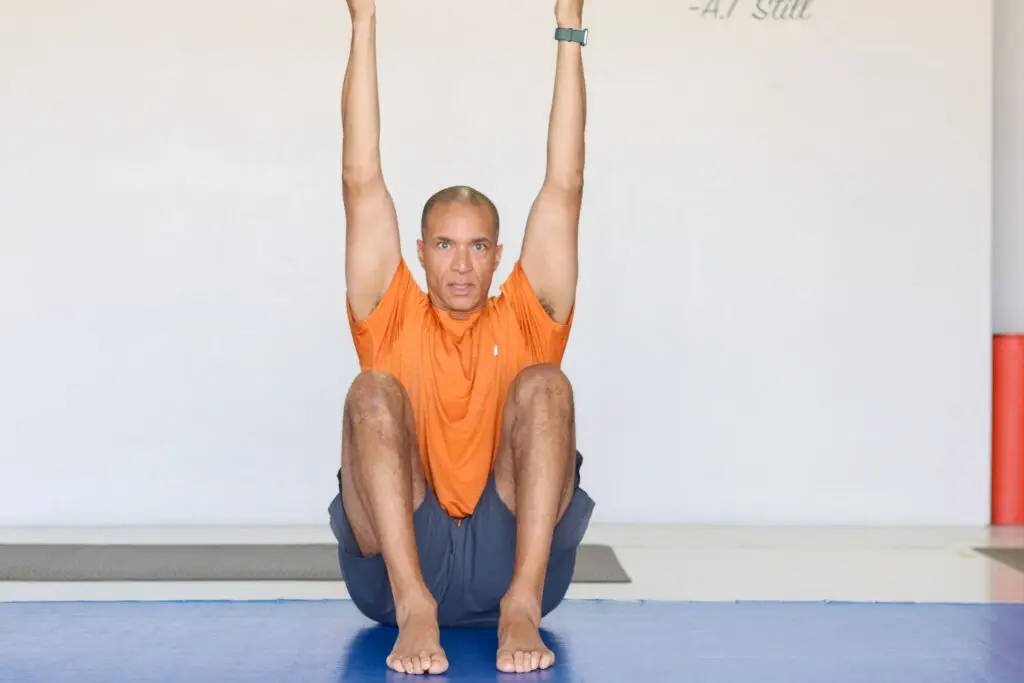
T8/T9 ELDOA

Breaking the Cycle

If you’ve been in the treat-flare-repeat loop, here’s what I want you to understand: it’s not that nothing works. It’s that nothing you’ve tried has gone deep enough. You’ve been patching the surface while the foundation keeps cracking.

Your lower back pain keeps coming back because nobody’s addressed why it started. And it started with fascial restriction, segments getting stuck together, and a spine that lost its ability to move the way it was designed to.

The fix isn’t another treatment. It’s a system โ€” one that targets the actual segments, de-coapts the joints, and gives your fascia what it needs to function.

I built a Lower Back ELDOA course for exactly this. It’s $52, it gives you access to the full Movement Portal, and it walks you through the specific ELDOA postures for your lower back โ€” the same ones I teach my in-person clients. It’s not a generic stretching routine. It’s the real thing.

Whether you’re trying to get out of pain or you want your body functioning at its best โ€” this is where you start.

If you’re ready to stop patching and start fixing: Lower Back ELDOA Course

Don’t make me come check your form.๐Ÿ˜‰

Follow the Threadโ€”Where Movement, Fascia, and Freedom Align

Find more insight, reflection, and fascia-informed care:
Facebook

Bluesky

Pinterest

Instagram

YouTube

LinkedIn

Winter Stiffness: Why Cold Weather Hurts (And How to Fix It)

Welcome to winter stiffness. And no, you’re not imagining it.

It’s January. Welcome to winter stiffness. You wake up, swing your legs out of bed, and everything feels… tight. Your back is stiff. Your shoulders are locked. Movement that felt fine in September now feels like you’re pushing through molasses.

Why Your Body Feels Stiffer When It’s Cold

Cold weather affects your fasciaโ€”the connective tissue web that wraps every muscle, connects your entire body, and coordinates movement.

Fascia is made primarily of collagen fibers suspended in a gel-like substance called ground substance. When temperatures drop, this ground substance becomes more viscous. Think of honey in the refrigeratorโ€”it thickens, flows less easily, and resists movement.

That’s what’s happening inside your body.

Your fascia loses its fluidity. Tissues that should glide smoothly start sticking. Areas that were already restricted become more compressed. And suddenly, everything hurts.

Add to this the fact that most people move less in winter. You’re not hiking as much. You’re not gardening. You’re spending more time sitting indoors. Less movement means less fluid flow through your fascial system, which means more stiffness.

It’s a cycle: cold weather restricts fascia โ†’ you move less because it hurts โ†’ less movement creates more restriction โ†’ you feel worse.

What Actually Works for Winter Stiffness

If you want to feel mobile in winter, you need to restore fluid flow and tissue quality in your fascial system. Here’s how:

1. Active Warming Before Movement

Don’t jump into stretching or exercise cold. Spend 5-10 minutes doing gentle, full-body movement first. Arm circles, leg swings, spinal rotations. Nothing intenseโ€”just enough to increase circulation and warm tissues from the inside.

Your fascia needs to be warm to move properly. This isn’t optional.

2. Myofascial Stretching

Unlike static stretching, myofascial stretching works with your fascial chainsโ€”the connected lines of tissue that run through your entire body. These stretches are active, full-body, and designed to restore fluid flow and tissue glide.

For example, instead of just stretching your hamstring, you’d work the entire posterior chain from your foot through your calf, hamstring, glutes, and back. That’s how fascia actually functions.

Learn more about myofascial stretching here.

3. ELDOA for Spinal De-coaptation

Winter stiffness often shows up in the spine first. Your vertebrae compress, discs lose space, and suddenly your back feels locked.

ELDOA (spinal de-coaptation exercises) creates space in specific segments of your spine, restoring fluid flow and reducing compression. These aren’t passiveโ€”they require active engagement and precise positioning.

But when done correctly, they work. Fast.

4. Keep Moving (Even When You Don’t Want To)

The worst thing you can do in winter is stop moving. Your fascia needs movement to stay hydrated and functional.

You don’t need to train hard. But you do need to move daily. Even 15-20 minutes of intelligent, fascia-focused work makes a massive difference.

5. Hydration

Cold weather makes you less thirsty, but your fascia still needs water. Dehydrated fascia is stiff fascia. Drink water consistently throughout the day, even if you don’t feel like it.

Coach’s Corner: The Winter I Learned This Lesson

Years ago, I trained outside year-round. Santa Fe winters aren’t brutal, but they’re cold enough.

I noticed that my clients who only came to class in spring and summer would show up in January completely locked up. Their bodies had lost all the progress they’d made.

Meanwhile, the clients who stayed consistent through winter? They felt better than ever. Not because winter was easier for themโ€”but because they kept moving intelligently through it.

That’s when I realized: winter stiffness isn’t inevitable. It’s a choice.

You can let cold weather shut you down, or you can adapt your approach and keep your body functional.

What to Do This Week

Here’s your challenge: spend 15 minutes every morning this week doing active warm-up and myofascial stretching before you start your day.

Notice how your body feels. Notice how movement changes when you prepare properly.

If you want guidance on exactly what to do, our group classes and private sessions are designed for this. We work with fascia, not against it. And we keep people moving year-round.

Book a free consultation and let’s talk about how to keep your body functional this winter.

Or try one of our free monthly ELDOA classes and experience spinal decompression firsthand.

Winter doesn’t have to hurt. You just need the right approach.

Follow the Threadโ€”Where Movement, Fascia, and Freedom Align

Find more insight, reflection, and fascia-informed care:
Facebook

Bluesky

Pinterest

Instagram

YouTube

LinkedIn

Strength and Proprioception: You Canโ€™t Strengthen What You Canโ€™t Feel

Strength and proprioception are more connected than most people realize.
Youโ€™ve been told to get stronger. And maybe youโ€™ve triedโ€ฆ
But hereโ€™s the thing no one tells you:
You canโ€™t strengthen what you canโ€™t feel.

If your bodyโ€™s sensory map is fuzzy โ€” if the nervous system canโ€™t accurately locate joints, muscles, or tension โ€” then youโ€™re not building strength. Youโ€™re reinforcing confusion.

When the Signalโ€™s Off, So Is the Output

That means:

  • The wrong muscles doing the work
  • Extra tension where you donโ€™t need it
  • And a body that gets tighter, not stronger

This is why traditional strength training often fails people with chronic pain or poor posture. It piles output on top of dysfunction.

The nervous system is always prioritizing safety. And it wonโ€™t let you generate real force from an unsafe map.

Real Strength Starts with Signal Clarity

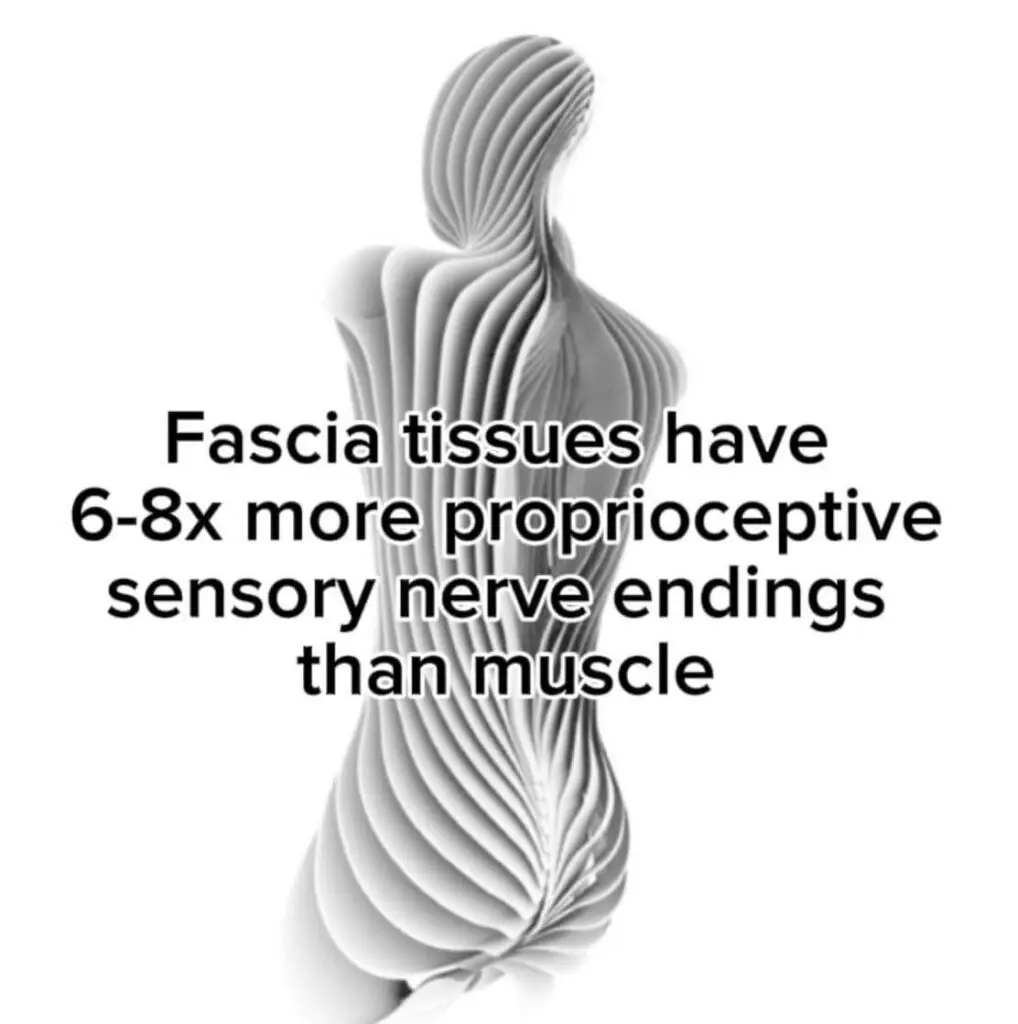
Thatโ€™s where proprioception comes in โ€” your bodyโ€™s sense of position and movement. And itโ€™s not just in the musclesโ€ฆ itโ€™s in the fascia.

Fascia is one of the bodyโ€™s most proprioceptive organs โ€” a network of sensory receptors, both introceptive and extroceptive, woven throughout your entire structure.

To train it, we donโ€™t start with load. We start with input.

Thatโ€™s why methods like:

  • Segmental strengthening (precise isometric loading to re-educate joint control)
  • ELDOA (decompression to create space and normalize tension)
  • Myofascial Stretching (length + tension reset through fascial chains)
  • Proprioception exercises (low-load, high-precision training to refine joint feedback)

…form the foundation of intelligent strength development.

They wake up the system. They create clarity. And thatโ€™s what allows true strength to build.

From Signal to Strength โ€” The Science Behind the Shift

Real strength doesnโ€™t start with muscle. It starts with mapping.

According to Hillโ€™s Muscle Model, force output depends on more than just fiber length and tension โ€” it also relies on neural coordination and proprioceptive input. If the body canโ€™t feel itself accurately, it canโ€™t produce efficient force.

Your introceptors (internal signals: breath, organ tone, intra-abdominal pressure) and extroceptors (external cues: joint angles, balance, spatial orientation) work together to create a somatic map in the brain.

When that map is distorted, strength gets sloppy and injury risk climbs.
But when the map is clear?

  • Your system becomes more efficient
  • Force transfer improves
  • Strength becomes sustainable โ€” not just performative

Fascia doesnโ€™t just surround muscles โ€” it interweaves with them.
It wraps around every muscle fiber, including actin and myosin, and envelopes the proprioceptors themselves โ€” like muscle spindles and Golgi tendon organs.

So when you train fascially โ€” through decompression, tension normalization, segmental loading, and lengthened isometrics โ€” youโ€™re not just building strengthโ€ฆ

Youโ€™re upgrading the entire system that strength depends on.

Related Resources:

๐Ÿ“Ž Internal Link: What Makes Holistic Fitness Actually Work
๐Ÿ“– External Source: FASCIA AS A SENSORY ORGAN: Clinical Applications (Schleip)

Ready to train from the inside out?
๐Ÿ‘‰ Book your free 30โ€“45 min strategy call and learn how to build sustainable strength from your structure up.

Follow the Threadโ€”Where Movement, Fascia, and Freedom Align

Find more insight, reflection, and fascia-informed care across the platforms where we stay connected:

Facebook

Blue Sky

Pinterest

Instagram

Youtube

Unlocking the Power of the Squat Exercise

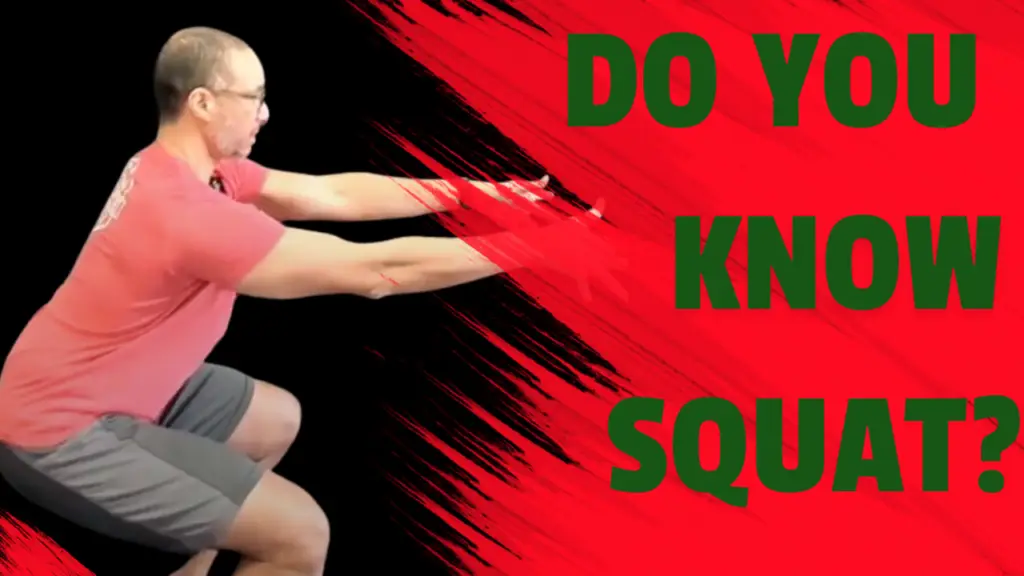
The squat exercise is one of the seven primal movements. But unlike the others, a properly executed squat is the only one that can directly improve your posture.

Most people learn to squat the wrong way. Fitness classes, trainers, and online videos often pass down bad form like it’s tradition. Challenges like โ€œ100 squats a dayโ€ only reinforce poor patterns. They donโ€™t teach you how to moveโ€”they teach your body how to compensate.

Thatโ€™s a problem.

Click the image to watch the full video.

Why the Squat Exercise Matters So Much

A squat isn’t just for building legs or glutes. Itโ€™s a global movement that involves your whole body working together. In fact, it’s made up of multiple smaller systems working in harmonyโ€”from your pelvic floor to your jaw.

Done right, itโ€™s one of the most powerful tools you have for long-term strength, mobility, and posture.

Done wrong, it becomes a slow leakโ€”wearing down your body over years until the damage is finally too loud to ignore.


Most People Are Taught the Squat All Wrong

When I started training back in my teens, I was told to arch my back, stick my butt out, and look up. It felt powerfulโ€”but it placed massive stress on my lower back and neck. I didnโ€™t feel pain for years. But by the time I hit 35, that form had helped cause a spinal issue and sciatic pain.

Thatโ€™s how compensation patterns work. You donโ€™t feel them until theyโ€™ve done damage.

And unfortunately, a lot of fitness systems still teach that exact form today.


The Squat and Posture: A Unique Relationship

Unlike bending, pushing, or pulling, the squat uses and improves your postureโ€”if done correctly.

Your postural system is made up of:

  • The Plumb Line (ear, shoulder, hip, knee, ankle alignment)
  • The Gravity Line (a 4-degree cone rising from your pubic bone)

The squat interacts with both. If your plumb line is off, squatting can make things worse. But if you squat with awareness and alignment, it actually helps reinforce your posture inside that gravity cone.


What It Takes to Do a Proper Squat Exercise

The squat is built from many parts. Each part needs to function independently before it can function together.

Hereโ€™s what that means:

โœ… The Beam Phenomenon

Your torso needs to move like a solid beamโ€”no wobble. That requires training your:

  • Pelvic floor
  • Abs (especially lower abs)
  • Diaphragm
  • Lats
  • Pecs
  • Fascia in the mouth and throat

โœ… Foot and Ankle Mechanics

Your feet are your foundation. A weak or collapsed arch (especially at the navicular bone) throws off everything above. You may need arch support or proper shoes when lifting heavy.

โœ… Pelvic Tuck and Knee Drive

A good squat is knee-dominant. That means knees move firstโ€”not hips.

At the same time, keep your pelvis tucked and chin tucked to stay in the beam. This requires both abdominal strength and fascial flexibility in the back.

If your soleus and calves are tight, your heels will lift and stop your knees from driving forward. So you may need to stretch and strengthen your calves to get full range.


Learning to Squat Means Slowing Down

If you’re constantly focused on performance or fat loss, youโ€™re not giving your body the time it needs to learn proper form. And in a class environment, correcting your form often isnโ€™t the priority.

Thatโ€™s like trying to learn typing by mashing keys as fast as possible without learning the keyboard.

Itโ€™s not a matter of willpowerโ€”itโ€™s just bad input. And bad input = bad output.


Good Squat = Good Life

Learning how to do a proper squat gives you a relationship with your body.

Youโ€™ll learn where youโ€™re tight, where youโ€™re weak, and where youโ€™ve been compensating without even knowing it. And when you address those things, your body responds.

You get stronger. You feel better. You age slower.


Want Help With Your Squat?

Iโ€™ve helped thousands of people reconnect to their bodies through correct, holistic training. Hereโ€™s how you can start:

Youโ€™ve been given a body that can last 90+ years. The squat exercise is one of the best ways to take care of it.

Letโ€™s make sure youโ€™re doing it right.

itโ€™s not just working out, itโ€™s building a foundation for a better life.

Find out more @

Facebook

BlueSky

Pinterest

Instagram

Youtube

Tired of Peloton? Here’s a Smarter Workout Alternative

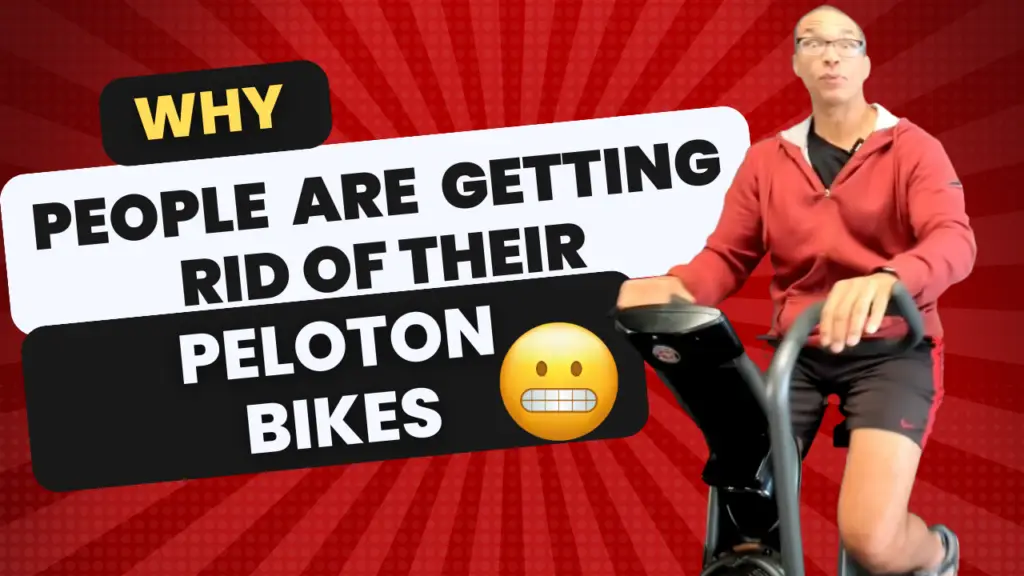
Frustrated person next to Peloton bike exploring workout alternatives

Click on the image to watch

If you’ve been searching for Peloton workout alternatives, youโ€™re not alone. What once felt like the future of fitness now often leads to burnout, boredom, or plateaus. Whether your bikeโ€™s collecting dust or your membership feels stale, itโ€™s time to rethink what your body really needs โ€” and what truly works long term.

Letโ€™s break down why Peloton is falling short โ€” and what you can do instead to get real results.

Peloton’s Riseโ€ฆ and Fade

Peloton exploded during the pandemic. People were stuck at home, and the brand nailed the timing with sleek bikes, energetic instructors, scenic virtual rides, and an easy subscription model. It felt like a movement.

But fast forward, and many people are canceling memberships and unloading their gear.

Why?

Sure, there are business reasons โ€” but from an exercise and results perspective, thereโ€™s a deeper issue.


External Motivation Doesnโ€™t Last

The whole Peloton model is built on external motivation: music, scenery, and peppy instructors yelling encouragement through the screen.

That can feel great in the beginning. But it fades โ€” and quickly. Real, lasting progress requires internal motivation driven by clear goals that mean something to you.

Itโ€™s not about getting hyped up to pedal harder for 20 minutes. Itโ€™s about asking:
What do I want from my body and my life?


Cardio Alone Isnโ€™t a Full Program

Peloton gives you cardio โ€” and not much else. Maybe some light circuit training or HIIT. But itโ€™s still basically endurance training.

  • No structured strength work
  • No fascia-focused training
  • No progression
  • No personalization

Just movement for movementโ€™s sake. And that eventually leads to boredom, plateaus, or worse โ€” injury.


One Size Doesnโ€™t Fit All

Using your legs on a bike isnโ€™t the same as training your legs intelligently. Overuse injuries, imbalances, and limited planes of motion can result from doing the same activity over and over.

Every body is different. You need a program that adapts to your individual structure, needs, and goals. Thatโ€™s the opposite of Pelotonโ€™s cookie-cutter classes.


Why I Built Something Different

At SolCore Fitness, we follow a fascia-based osteopathic approach to fitness and therapy. That means:

  • Your workouts are built around your bodyโ€™s actual structure
  • You learn to work with your fascia, not against it
  • You develop long-term strength, mobility, and stability โ€” not just sweat

You donโ€™t need fancy gear. You donโ€™t need entertainment.
You need the right stimulus, progression, and support to evolve.


Ready for a Smarter Way?

If Peloton isnโ€™t giving you what you need โ€” thatโ€™s OK.

It was designed to be easy, not transformative.

But your body wants more. Your mind wants more. And youโ€™re capable of more.

If youโ€™re ready for a complete shift in how you train and take care of yourself, check out my program. Itโ€™s based on the principles of osteopathy and the real biomechanics of how your body is designed to move and heal.

Letโ€™s train for your life โ€” not just a screen.

itโ€™s not just working out, itโ€™s building a foundation for a better life.

Find out more @

Facebook

Bluesky

Pinterest

Instagram

Youtube