Longevity

Why Quick Fixes Fail (And What Real Progression Looks Like)

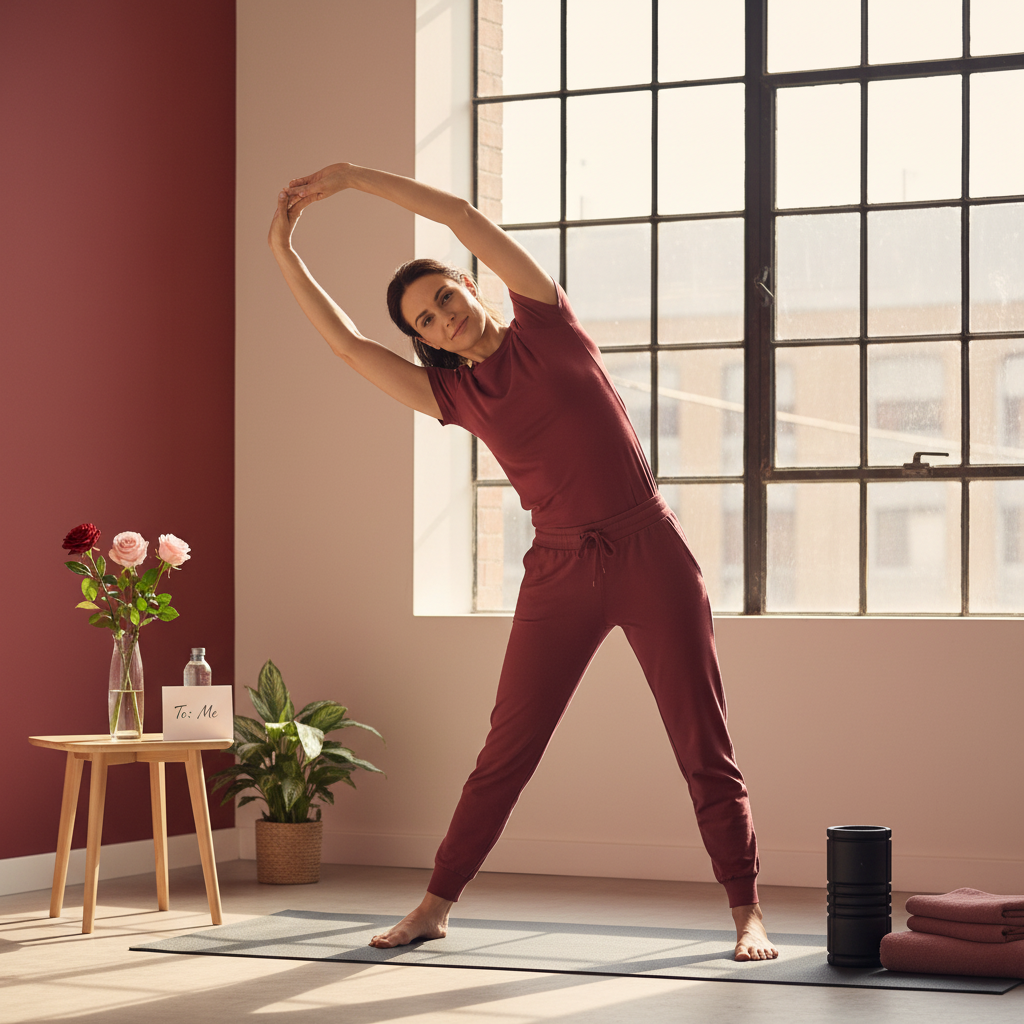
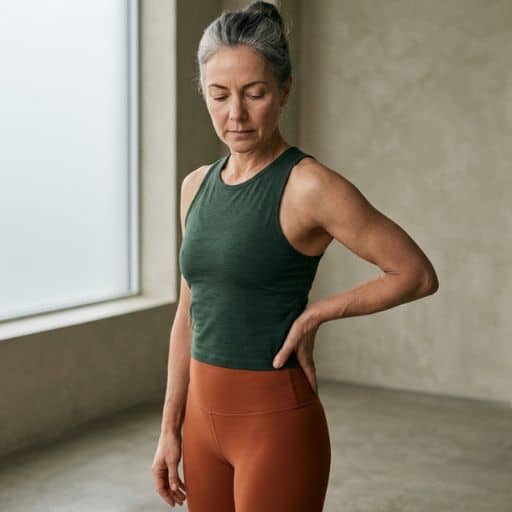
Why quick fixes fail. Image of woman in her 60's showing how it takes time with progression fascia training.

Quick fixes fail. Every single time.

Quick fixes will only lead to frustration or hurt quickly.

“Six weeks to a pain-free back.”

“Transform your body in 30 days.”

“Three exercises to fix your shoulder.”

These promises are everywhere. And they’re physiologically impossible.

If only your fascia could read marketing copy, it might actually remodel that fast.

Coach’s Corner

Marja came to me after breaking three vertebrae. Doctors said she’d never garden again—her favorite activity.

She didn’t accept that.

But she also didn’t expect miracles. She understood that rebuilding a body after that kind of trauma takes time.

Years later? She’s pain-free, gardening regularly, and moving better than she did before the injury.

Watch her full video interview to see what real progression looks like.

The Quick-Fix Culture Problem

We live in a culture that sells speed. Six-week programs. 30-day challenges. Weekend workshops that promise to “reset” your body.

And I get it. You’re in pain. You want relief. You want it now.

But here’s the truth most practitioners won’t tell you: your body doesn’t work on a marketing timeline.

Tissue adaptation is a biological process. It has a pace. You can’t hack it, shortcut it, or Instagram it into happening faster.

You can only respect it or ignore it.

And when you ignore it by chasing quick fixes, you get temporary relief followed by the same problem—or a new one.

Why Tissue Takes Time

Let’s talk about what actually happens when your body adapts.

Acute pain relief: Can happen quickly (days to weeks) with the right intervention. This is inflammation decreasing, nervous system calming, immediate restrictions releasing.

Movement pattern changes: 4-8 weeks of consistent practice. This is your brain learning new motor patterns, your nervous system rewiring compensation habits.

Tissue remodeling: 3-6 months of progressive loading. This is fascia reorganizing its collagen structure, muscles adapting to new demands, joints stabilizing differently. Research shows that skeletal muscle ECM turns over approximately 0.5-2% of its collagen per day—meaning complete remodeling takes months, not weeks.

Structural integration: 6-12+ months of sustained work. This is your entire system learning to function differently—not just one area, but how everything connects. This is what holistic exercise and fitness programs are designed to address—the whole system, not just isolated parts.

Quick fixes might give you the first one. Temporary relief.

But they skip the rest. And that’s why the problem returns.

The Difference Between Relief and Change

Relief is what you feel when inflammation goes down or a muscle releases.

Change is what happens when your body learns a new pattern and maintains it.

Most programs sell relief and call it change.

You feel better for a few weeks. The pain comes back. You need another program. The cycle repeats.

This isn’t healing. It’s symptom management.

And there’s nothing wrong with symptom management—sometimes you need relief to function. But if you stop there, you’re not building anything that lasts.

Real change requires progression. And progression takes time.

What Progression Actually Looks Like

Ashley came in limping with plantar fasciitis. Within weeks, she was pain-free.

That sounds like a quick fix. But here’s what actually happened:

Week 1: Myofascial release and manual therapy addressed the immediate restriction. Pain dropped significantly. This was relief.

Weeks 2-4: Exercises that progressively loaded her foot, ankle, and lower leg. Her nervous system learned it was safe to move again. This was pattern change.

Weeks 4-8: Continued loading and integration work. Her fascia began remodeling. The change started becoming structural.

Months 2-3: Maintenance and refinement. The new pattern became default. This was lasting change.

If she’d stopped at week 1 when the pain went away, it would have come back. The relief was real, but the change wasn’t complete yet.

That’s the difference between a quick fix and progression.

The Compound Effect

Small, consistent improvements stack.

A 1% gain repeated over months becomes transformational.

This is how you:

  • Eliminate pain that’s been around for years
  • Restore mobility you thought was gone
  • Build strength that transfers to real life
  • Create resilience that prevents future injury

Not in 6 weeks. In 6 months. 12 months. A lifetime of practice.

And here’s what’s interesting: the people who understand this get better results faster than the people chasing speed.

Because they show up consistently. They trust the process. They don’t bail when week 3 isn’t Instagram-worthy.

Why Quick Fixes Always Fail

Quick fixes fail because they don’t address the system. They target symptoms.

Your shoulder hurts. They give you three shoulder exercises.

But your shoulder doesn’t hurt because it’s weak. It hurts because your thoracic spine is restricted, your scapula isn’t moving properly, and your fascia has been compensating for years.

Three shoulder exercises might make it feel better temporarily. But they don’t address why it started hurting in the first place.

So six weeks later, it’s back. Or your neck starts hurting. Or your elbow acts up.

This is how you end up chasing symptoms for years.

The system is still broken. You’re just moving the problem around.

The “Just Tell Me What to Do” Problem

Most people want a prescription. “Just tell me what exercises to do.”

I understand. You’re busy. You want efficiency.

But here’s the issue: your body isn’t static. What you need today might not be what you need next week.

If you’re only following instructions without understanding why, you can’t adapt when things change.

This is why so many people do PT, feel better, then stop—and six months later, they’re back where they started.

They got exercises. They didn’t get education.

They got relief. They didn’t get ownership.

What Real Progression Requires

1. Time

There’s no way around this. Tissue remodels at its own pace. You can optimize it, but you can’t force it.

2. Consistency

Showing up matters more than intensity. Three focused sessions a week beats one heroic effort followed by two weeks off.

3. Progression

You can’t do the same thing forever and expect different results. Load has to increase. Complexity has to advance. Your body has to be asked to adapt.

4. Awareness

You need to learn what your body is telling you. What’s protective pain vs. adaptive discomfort. When to push and when to back off.

5. Patience

Not the passive kind. Active patience. Trusting the process while staying engaged with it.

This isn’t sexy. It doesn’t fit on an Instagram post. But it works.

And it lasts.


The Three-Month Reality Check

I tell new clients: give me three months of consistent work before you decide if this is working.

Not because nothing happens before that. Often, relief comes quickly.

But real change—the kind that lasts—takes about three months to start showing up structurally.

After three months of consistent fascia-focused training:

  • Movement patterns have started to shift
  • Compensation habits are beginning to release
  • Tissue is remodeling
  • Your nervous system trusts the new patterns

This is when people say: “I move differently now. I feel different in my body.”

Not after six weeks. After three months.

And if you want that change to be permanent? Keep going for another three. And another three after that.

It’s easier to sell quick fixes than real progression.

It’s easier to promise “pain-free in 6 weeks” than to say “this will take months, and it won’t always feel good.”

It’s easier to give people three exercises than to teach them to understand their own bodies.

But easy doesn’t work.

If rest and quick fixes solved chronic pain, you wouldn’t still be dealing with it.

If six-week programs created lasting change, you wouldn’t need a new program every few months.

The way forward is slower. But it’s also the only way that actually gets you there.

What Changes When You Embrace Progression

When you shift from chasing quick fixes to trusting progression:

You stop panicking when pain shows up. You understand it’s information, not an emergency.

You stop bouncing between programs. You commit to one approach long enough to see if it works.

You stop chasing symptoms. You address the system creating them.

You build something that lasts. Not just relief, but real change.

This is what holistic training actually means. Not quick. Not easy. But effective.

And permanent.

Ready to Build Real, Lasting Change?

If you’re tired of quick fixes that don’t last, this is why.

Your body needs time, consistency, and intelligent progression.

Want to go deeper? Download The Fascia Fix Framework—a free 20-page guide covering all 5 principles missing from most fitness and therapy programs.

Local to Santa Fe? Book a free consultation to discuss whether SolCore’s progression-based approach is right for you.

See what real progression looks like: Read Ashley’s case study—how she went from not being able to walk, back to her active self.

Questions? Contact us at info@solcorefitness.com or call (505) 577-2171.

Follow the Thread—Where Movement, Fascia, and Freedom Align

Find more insight, reflection, and fascia-informed care:

Facebook

Bluesky

Pinterest

Instagram

YouTube

LinkedIn

The Way Is Through: Why Your Body Needs Challenge, Not Comfort

fascia training challenge

Your body doesn’t avoid pain. It protects against it.

And when you spend years protecting—resting, avoiding, icing, stretching gently, never pushing—you don’t heal. You create a fortress of compensation that feels safer but moves worse.

This is the fundamental misunderstanding behind most injury recovery and fitness approaches: the belief that comfort equals healing.

It doesn’t.

Healing requires challenge. Intelligent, progressive challenge that teaches your body it’s safe to move again.

Coach’s Corner

Amy came to me at 68. Retired. Exhausted.

She thought “just moving” was enough.

It wasn’t.

Three months of fascia-focused training later, the aches were gone.

Today? She’s 70 and learning archery in Bhutan.

Download her full case study to see exactly what changed.

The RICE Protocol Failed You

Rest. Ice. Compression. Elevation.

For decades, this was the gold standard for injury management. And for acute trauma—a broken bone, a severe sprain in the first 24-48 hours—it has its place.

But for chronic pain? For movement restrictions that have been with you for months or years? RICE doesn’t address the problem. It reinforces it.

Here’s why:

When you rest an injury indefinitely, your body interprets that as: “This area is unsafe. Protect it.”

Fascia thickens. Muscles weaken. Movement patterns shift to avoid the “injured” area. Compensation becomes your new normal.

The longer you avoid challenge, the more your body builds around that avoidance.

And suddenly, your “healed” shoulder still doesn’t move right. Your “recovered” knee still feels unstable. Your back pain keeps coming back in different places.

You didn’t heal. You adapted to protection.

Ashley’s Story: When Avoidance Made It Worse

Ashley came to me limping. Plantar fasciitis so severe she could barely walk.

A physiotherapist had tried the standard approach: rest, ice, calf stretches, foot exercises. Gentle, comfortable, cautious.

It made the pain worse.

Why?

Because her body was already protecting. The fascia in her foot had thickened and restricted. Her nervous system had locked down movement to avoid pain.

More rest and gentle stretching just reinforced the message: “This area is fragile. Keep protecting.”

What we did differently:

We didn’t avoid the problem. We addressed it directly with myofascial stretching and manual therapy to release restriction and restore movement.

Within weeks, she was pain-free and back to her active life.

The way through was through—not around.

Why Your Body Needs Challenge

Your body adapts to the stimulus you give it.

Give it rest, avoidance, and gentle movement? It adapts by becoming cautious, protective, and fragile.

Give it intelligent challenge—progressive load, varied movement, deliberate discomfort? It adapts by becoming resilient, capable, and strong.

This is the principle of adaptation over avoidance.

Your fascia remodels in response to tension. Your nervous system recalibrates based on what you ask it to do. Your muscles and joints strengthen when they’re given reason to.

But none of that happens in comfort.

The Difference Between Pain and Discomfort

This doesn’t mean “push through pain” in the way most people think.

There’s a difference between:

Protective pain (your body saying “stop—something is wrong”)

and

Adaptive discomfort (your body saying “this is challenging, but I can handle it”).

Protective pain is sharp, sudden, or creates instability. It’s your nervous system’s alarm system. Listen to it.

Adaptive discomfort is the feeling of tissues lengthening, muscles working, or your body figuring out a new movement pattern. It’s not comfortable, but it’s not dangerous.

The problem is, most people have been taught to avoid all discomfort. So they never give their body the challenge it needs to adapt.

And then they wonder why nothing changes.


What “The Way Is Through” Actually Means

It means you don’t heal by avoiding the thing that hurts. You heal by teaching your body it’s safe to move through it.

It means:

  • Stretching fascia to the point of resistance—not stopping before you feel anything
  • Loading joints progressively so they learn to stabilize under challenge
  • Moving through ranges of motion your body has been protecting for years
  • Creating controlled discomfort that builds resilience instead of fragility

It doesn’t mean:

  • Ignoring pain signals
  • Forcing movement that creates instability
  • Pushing through sharp, protective pain
  • Moving without awareness or intention

The difference is intelligence. You’re not avoiding challenge. But you’re also not being reckless.

Why This Approach Works When Others Don’t

Most injury recovery and fitness programs focus on comfort. They reduce load, avoid discomfort, and keep everything “safe.”

And for people who’ve been in pain for months or years, that sounds appealing.

But here’s the problem: your body doesn’t need more protection. It needs to learn it’s safe to stop protecting.

That requires challenge.

When you progressively load tissue, it remodels. When you move through restricted ranges, fascia begins to glide again. When you teach your nervous system that movement doesn’t equal danger, compensation patterns start to release.

But none of that happens if you stay comfortable.

The Biotensegrity Principle

Your body works on a principle called biotensegrity—a balance between tension (fascia) and compression (bones).

When this system is balanced, movement is efficient. Force distributes evenly. You feel mobile and strong.

When fascia becomes restricted—through injury, repetitive stress, or avoidance—the balance shifts. Some areas take too much load. Others don’t get enough. Your body compensates.

And the more you protect, the more the compensation becomes permanent.

The only way to restore balance is to challenge the system. To create controlled tension that teaches fascia to remodel, joints to stabilize, and your nervous system to trust movement again.

Comfort doesn’t do that. Challenge does.

What Changes When You Stop Avoiding Challenge

When you shift from avoidance to intelligent challenge:

Movement becomes more efficient. Your body stops fighting restriction and starts moving the way it’s designed to.

Pain patterns shift. Instead of chasing symptoms, you address the system creating them.

Results last longer. You build sustainable change, not temporary relief.

You feel more capable. Your body becomes something you trust, not something you manage.

This is what holistic training actually means. Not avoiding discomfort. Not chasing comfort. Building a body that can handle what life asks of it.

Why This Approach Isn’t Popular

It’s easier to sell comfort than challenge.

It’s easier to promise “pain-free in 7 days” than to say “this will take months, and it won’t always feel good.”

It’s easier to tell people to rest than to guide them through intelligent progressive load.

But easy doesn’t work.

If rest and comfort solved chronic pain, you wouldn’t still be dealing with it.

If avoidance created strength, you’d be strong by now.

The way through is through. Not around. Not over. Through.

Ready to Experience Challenge-Based Training?

If you’ve been avoiding discomfort and wondering why nothing changes, this is why.

Your body doesn’t need more protection. It needs to learn it’s safe to move again.

Want to go deeper? Download The Fascia Fix Framework—a free 20-page guide covering all 5 principles missing from most fitness and therapy programs.

Local to Santa Fe? Book a free consultation to discuss whether SolCore’s challenge-based approach is right for you.

Want to see real results? Read Amy’s case study—how she went from exhausted at 68 to learning archery in Bhutan at 70.

Questions? Contact us at info@solcorefitness.com or call (505) 577-2171.

Follow the Thread—Where Movement, Fascia, and Freedom Align

Find more insight, reflection, and fascia-informed care:

Facebook

Bluesky

Pinterest

Instagram

YouTube

LinkedIn

Global Postural Stretching—The Smart Way to Real Balance

Person demonstrating global postural stretching for whole-body balance

Global Postural Stretching: Align Your Whole Body, Move with Real Balance

Why do some people handle life’s bumps, trips, and quick pivots with steady ease, while others feel wobbly even on a flat floor? The secret often lies in the state of the body’s global fascial chains—and not all stretching is created equal.

Why Not All Stretching Gives You Better Balance

You might see plenty of basic stretches online or at the gym. They usually focus on a single muscle or small group: think toe touches, quad pulls, or triceps stretches. These can add a bit of flexibility. But if only one link in the body’s chain loosens and everything else stays tight? Balance and true stability are still out of reach.

What Sets Global Postural Stretching Apart

With global postural stretching, we work the entire fascial chains at once—from the bottoms of the feet, up the legs, around the hips, and across the core, all the way into the neck and head. Instead of just momentarily lengthening a muscle, this method organizes the whole body around proper alignment and stability. It’s the difference between tuning a single string and tuning the whole instrument: only one gives you music.

Practical examples:

  • The marathon runner who swaps out isolated calf stretches for a GPS sequence and suddenly feels less “clunky” and more stable on uneven ground.
  • The busy parent who does a few chain-based stretches and notices their posture and energy both shift—even after hours at a desk or wrangling kids.
  • The senior who, after adopting GPS, can stand longer, move more confidently in crowds, and catch themself if they stumble.

Why GPS Wins for Whole-Body Alignment and Balance

Research backs this up: muscle chain stretching—like GPS—outperforms traditional spot stretching for balance, range of motion, and even pain relief in the real world. By working on the body’s linked-up structures, you gain steadiness from head to toe, not just a quick fix in one spot.

Want a steadier way to move through life? Choose a stretching approach that respects and rebalances your whole body, not just a single muscle. Global postural stretching is a step ahead—a smarter foundation for lasting balance and confidence.

These specific techniques need to be taught to you and used in conjunction with a holistic exercise and fitness program. Reach out for a free consultation.

Follow the Thread—Where Movement, Fascia, and Freedom Align
Find more insight, reflection, and fascia-informed care:


Facebook

Bluesky

Pinterest

Instagram

YouTube

LinkedIn

Pauwels Balance: How Hip Mechanics Affect Everyday Movement

Hip biomechanics, Pauwels Balance, daily posture

Pauwels Balance—The Science Behind Joint Pressure

Pauwels Balance is a biomechanical concept that reveals how posture, movement habits, and even minor weight changes dramatically influence the pressure within the hip joint. By understanding this concept, active people in Santa Fe can make smarter choices to protect their hips and prevent joint injuries over a lifetime.

The Formula—How Pressure Is Determined

Pressure inside the hip joint is calculated using Pauwels’ formula:Pr=NSPr=SN

Where NN is the total force (body weight, adjusted for movement) and SS is the contact surface area between femur and socket (cm2cm2). A smaller surface area or higher force both result in more pressure per square centimeter.

Real-World Pauwels Examples

  • Neutral Standing
    For a 72 kg person, body force is about 240 kg distributed over a hip surface of 12 cm²:Pr=24012=20 kg/cm2Pr=12240=20 kg/cm2This even distribution represents an optimal scenario for minimizing joint stress.
  • Turned-Out Leg (Reduced Surface Area)
    Same person, but with hip rotated outwards (as seen in ballet, yoga, or poor standing habits):Pr=2406=40 kg/cm2Pr=6240=40 kg/cm2The pressure doubles because the same force is distributed over half the surface area.
  • More Weight + Turned-Out Hips
    A 90 kg person (heavier, with turned-out hips):Pr=3606=60 kg/cm2Pr=6360=60 kg/cm2Triple the pressure compared to the neutral stance, making the joint more vulnerable over time.

Why Pauwels Balance Matters—Relatable Scenarios and Risks

Daily movement, sports participation, aging, and even footwear choices can all shift the balance between healthy and harmful pressures at the hip joint. Doubling or tripling joint pressure through habit or body weight quickly raises risks for cartilage damage, arthritis, or injury.

Applying Pauwels Principles for Hip Health

  • Recover Alignment: Coaches and therapists use exercises (like myofascial stretching, segmental strengthening, ELDOA, and posture exercises to maximize hip contact area, sharing pressure safely.
  • Personal Example: If standing with toes out or always crossing legs, consider retraining posture—it directly impacts joint longevity.
  • Athlete’s Perspective: Dancers or martial artists should be strategic about hip turnout; recreational athletes benefit from alignment-focused warmups.

building a foundation for a better life.

Find out more @

Facebook

Bluesky

Pinterest

Instagram

Youtube

Linkedin

The Pelvic Floor: A Holistic Approach to Strength and Mobility

Whether you’re a man or a woman, your pelvic floor is essential for a strong, mobile body — yet it’s one of the most overlooked systems in human movement. Your pelvic floor isn’t just “down there” — it’s the foundation for your spine, hips, and core.

But here’s the truth: Most people don’t know how to train it. They rely on outdated approaches or ignore it completely… until something goes wrong.

So let’s take a look at what your pelvic floor really does — and how to support it through a truly holistic approach.

Click on the image to watch the full video

Your Pelvic Floor: A Dynamic Foundation

Think of your pelvic floor like the foundation of a house. It needs to be solid to support everything above — and adaptable to handle pressure from above and below.

Every day, your pelvic floor supports both:

  • Descending forces — gravity, body weight, internal organ pressure
  • Ascending forces — from walking, standing, lifting, and movement

If your pelvic floor isn’t strong and balanced, your whole body compensates.


Why Most Pelvic Floor Training Fails

Most people only hear about Kegels — and usually just for women. But men need pelvic floor training too. And even then, Kegels alone won’t fix dysfunction.

A true pelvic floor program:

  • Goes beyond isolated contraction
  • Addresses the muscles, fascia, and ligaments
  • Respects the nervous system and joint balance (especially the SI joint)

What Muscles Make Up the Pelvic Floor?

It’s more than just one muscle. Your pelvic floor includes:

  • Levator Ani group (puborectalis, pubococcygeus, iliococcygeus)
  • Coccygeus
  • Piriformis & Obturator Internus (side/posterior pelvic walls)
  • Glute max (deep fibers)
  • Iliopsoas (passing through the pelvis to your spine)

These all work together. But they don’t function in isolation. You must also consider the fascia and ligaments that interconnect everything.


Ligaments: The “Smart Tissue” That Guides Your Body

Ligaments do more than hold bones together. They’re the intelligent sensors that tell your body how to move — or how not to.

Key ligaments affecting your pelvic floor:

  • Cooper’s ligament (connects pelvic fascia to hip stabilizers)
  • Pubofemoral ligament
  • The sacro-recto-genital-vesicle-pubic ligament (yes, that’s one ligament!)
  • Anterior sacroiliac ligaments
  • Iliolumbar & pubic ligaments

These aren’t just structural — they’re sensory. If your ligaments aren’t healthy, your body loses its ability to move smartly.


Fascia: The Connective Highway

Fascia connects your pelvic floor to:

  • Your diaphragm
  • Your spine
  • Your abdominal wall
  • Your hips, legs, and shoulders

That’s why holistic pelvic floor care can’t stop at squeezing muscles. You must address how fascia tensions pull and support the whole structure.


Start Here: How to Rebuild Pelvic Floor Health

1. Begin With the Ligaments

Healthy ligaments guide healthy movement. In my osteopathic practice, I use manual therapy techniques like pumping and double TLS to:

  • Improve fluid flow
  • Activate proprioceptors
  • Reset the tissue’s baseline tone

This sets the stage for real, sustainable strength.


2. Use ELDOA to Reinforce & Integrate

ELDOA (a unique form of fascial tension exercise) is one of the best ways to train the joints, ligaments, and fascia together.

It helps:

  • Open restricted spaces
  • Activate deep stabilizers
  • Improve spinal and pelvic floor communication

3. Strengthen and Stretch the Muscles (Holistically)

Once the ligaments are awake, you can start training the key muscles:

  • Piriformis
  • Obturator internus
  • Glute max (medial fibers)
  • Iliopsoas

Use Hill’s Muscle Model: work the fibers, the fascia, and the ligament to train effectively.


4. Now Add Kegels — the Right Way

Only once you’ve built a strong base should you begin isolated Kegel contractions. And even then, you must avoid compensation patterns.

When doing Kegels:

  • Do not squeeze your glutes, abs, or adductors
  • Train your brain to activate just the pelvic floor
  • Separate contractions from surrounding muscle groups
  • Progress to coordination patterns using glutes, adductors, and diaphragm separately

This is crucial — especially for women during childbirth or anyone recovering from dysfunction.


Final Thoughts: The Pelvic Floor Is a Whole-Body System

Most people treat the pelvic floor like a switch — either it’s “on” or it’s “off.” But the truth is, your pelvic floor reflects your entire body’s condition.

If your SI joint is off, if your glutes are weak, if your diaphragm is tight — your pelvic floor will suffer. And if you ignore it? You’ll feel the effects in your strength, mobility, and long-term health.


Ready to Train Smarter?

If you’re ready to go deeper — not just with your pelvic floor, but your whole-body health and longevity — I’ve got 3 free ways to help:

Let’s stop isolating and start integrating.

See you next week.

it’s not just working out, it’s building a foundation for a better life.

Find out more @

Facebook

Twitter

Pinterest

Instagram

Youtube

🏋🏽‍♂️ Gym Workouts for Longevity: Why Big Box Gyms Miss the Mark

Gym Workouts for Longevity

Click on the image to watch

When you walk into a big box gym, it can feel like you’ve found the answer to everything:

Strength training? ✅
Cardio? ✅
Yoga and mindfulness classes? ✅
Stretching areas, machines, HIIT, foam rollers, even a few free personal training sessions? ✅✅✅

But here’s the truth: none of it is a real program.
And most of it isn’t going to get you where you want to go — especially if your goal is longevity.


What Longevity Actually Means in the Body

Longevity isn’t just about living longer.
It’s about living better, longer.

That means:

  • A body that works efficiently into your 80s and 90s
  • Joints that move without pain
  • Fascia that stays hydrated and supple
  • A nervous system that stays calm and responsive
  • A structure that stays aligned under gravity

And none of that happens by randomly collecting workouts.


Why Big Gyms Sell You the Wrong Idea

I started in big gyms. I trained in them. I sold memberships in them.
I know exactly how they work.

They show you a buffet of options and say: “Mix and match however you want! You’ll get stronger, leaner, more flexible. Just show up a few times a week.”

But here’s the problem:
Exercise is not a random collection of movements.
Your body needs a program, not a menu.


Random Doesn’t Lead to Resilient

Let’s say you go to yoga on Monday, machines on Tuesday, cardio on Wednesday, and stretch a little on Thursday.

That’s not a system.
That’s activity.

It might feel productive, but it’s not progressive. It doesn’t build on itself. It doesn’t organize your structure, or address your compensations, or train your fascia to hold changes over time.

You feel good — until you don’t.
And then the overuse injuries start creeping in.


What a Real Program for Longevity Requires

If your body is designed to work a certain way (and it is), then your training should support that design.

Here’s what that looks like:

  • Evaluate posture and plumb line first
  • Train foundational strength and mobility patterns (not muscles in isolation)
  • Use precise progressions that account for fascia, nervous system, and joint mechanics
  • Respect gravity, force, and timing — not just muscle burn

You don’t need 10,000 square feet or 30 machines.
You need the right input in the right sequence.


Why Gym Trainers Aren’t Set Up to Help You

Even when gyms offer you “free personal training,” the goal is usually sales — not education.
Most new trainers are just out of certification. They don’t have enough experience or holistic understanding to create real outcomes. I know. I used to be one.

And they often give you what’s popular — not what’s effective.

Kettlebells are hot? You get kettlebells.
HIIT is trending? You get circuits.
Got hip pain? Foam roll it.

Problem is, none of that is personalized. None of it addresses the real reason your body is reacting the way it is.


Fascia, Progression, and Precision — Not Popularity

Take something simple like foam rolling your piriformis.
Most people sit on a lacrosse ball and grind away because it feels intense.

But do you know what you’re sitting on?
Your sciatic nerve? Your gluteal artery?

Do you know if you’re crushing healthy fascia — the same tissue you’re supposed to be training?

More pain ≠ better.
Random pressure ≠ release.
Sensations aren’t progress. Knowledge is.


So What Should You Be Doing?

Start with:

  • Structural assessment (Are you aligned?)
  • Movement patterns (Can you squat, lunge, push, pull, gait properly?)
  • Fascia and muscle balance (What’s restricted or weak?)
  • Nervous system regulation (Can your body recover?)

And from there:

  • Build a specific, holistic program
  • Adapt it as your body changes
  • Use tools that fit the plan — not just what’s available at the gym

A gym is just a space.
It only helps you if you bring the right system with you.


What to Do Next

If you’re using the gym just to feel like you “did something,” you’re missing the mark.
Worse — you might be reinforcing the very patterns causing your pain, tightness, or breakdown.

Longevity doesn’t come from random movement.
It comes from intentional progression — and knowing how to listen to what your body needs at each stage.

If you want support:

But whatever you do — don’t settle for what’s convenient.
Your body is too valuable to be thrown into a one-size-fits-all system.

it’s not just working out, it’s building a foundation for a better life.

Find out more @

Facebook

Bluesky

Pinterest

Instagram

Youtube

Is Your Functional Fitness Workout Actually Dangerous?

You’ve probably seen the term functional fitness workout tossed around everywhere lately.

But here’s the truth: what you see online or at the gym under that label is often misleading — or worse, harmful.

The original idea behind functional fitness was solid: training your body to perform real-life movements with strength, ease, and efficiency. But the fitness industry has warped this into circus acts and extreme trends — things like balancing on balls with weights overhead or twisting mid-air with kettlebells.

Even for seasoned pros, those workouts make no sense. And for most people, they’re a fast track to injury.

Man doing functional fitness workout that is not safe

Click the image to watch

So What Is Functional Fitness, Really?

Let’s go back to the definition. Something that is functional has a specific purpose or task. So functional fitness should support the way you live, move, and work — helping you feel better and function better in your day-to-day life.

That might include training to:

  • Walk, squat, twist, and bend with ease
  • Paint walls or lift gear in your profession
  • Run a 10K or play with your grandkids pain-free

But functional training isn’t a one-size-fits-all set of exercises. The movements you need depend on your goals.


Three Kinds of Functional Training

  1. Sport-specific — Focused on athletic performance. Runners train different muscle chains and movement patterns than skiers or lifters.
  2. Work-specific — Based on your job. A painter needs mobility and control in the shoulder, wrist, and neck. A nurse may need strong legs and posture.
  3. Life-specific — For general health, longevity, and pain-free movement in daily life. This is where most people should start.

Ironically, the more you focus on sport or work-specific training, the more you risk losing function in everyday life. Why? Because you’re overtraining narrow patterns and neglecting others.


The Foundation of True Function

If your goal is to function better in life, here’s where to start:

✅ The 7 Primal Movements

These are basic, essential motions you do every day:

  • Squat
  • Bend
  • Push
  • Pull
  • Lunge
  • Twist
  • Gait (walk/run)

Training these movements properly will make daily life easier. But you shouldn’t start here.

✅ Start with Your Deep Stabilizers

Real functional training begins with the PIT muscles — the deep internal stabilizers that prepare your body to move. These include:

  • Transversospinalis group
  • Deep hip rotators
  • Deep shoulder stabilizers
  • Fascia and visceral supports

These muscles receive the brain’s signals first. If they’re weak or disconnected, your body will compensate with larger muscles, creating dysfunction and strain.


Structure Dictates Function

This principle — first taught by osteopathic founder Andrew Taylor Still — says your body can only function well if its structure is aligned and balanced.

Your fascia, bones, and muscles don’t just hold you up like a stack of blocks. They create a biotensegrity system, where tension and compression are distributed across your whole body through fascia.

That’s why good posture isn’t cosmetic — it’s functional. Without structural balance, even “good” exercises cause harm.


Train What You Actually Use

Want to be able to balance on one leg? Then train the glute medius — in all three of its fiber directions. Want to squat pain-free? Work the deep hips and spinal stabilizers first.

If you skip this and go straight to dynamic exercises, you’re training dysfunction on top of imbalance.

And those extreme workouts that promise strength, mobility, endurance, and balance all in one? Total nonsense.

Your body needs focus to adapt. Each quality — like flexibility, strength, or endurance — takes months to build. You can’t rush it by stacking everything into one session.


Real Functional Training Takes Time

Here’s a simple path:

  1. Rebuild structure — Get your posture, alignment, and fascia moving well.
  2. Activate deep stabilizers — Teach your nervous system how to move safely.
  3. Train primal patterns — Squats, twists, lunges — correctly and with intention.
  4. Build specific traits — Endurance, strength, mobility — one at a time.

Each layer may take months. But it sets you up for a lifetime of movement freedom.

Functional fitness is not a shortcut. It’s a foundation.


Want to Learn How to Train Functionally (the Right Way)?

If you’re tired of confusing workouts, nagging pain, or wasted time, we can help. Our holistic program trains your body from the inside out — respecting fascia, structure, and function at every step.

👉 Click below to schedule a complimentary consultation.
We’ll talk about your goals, your body, and your best next step.

it’s not just working out, it’s building a foundation for a better life.

Find out more @

Facebook

Bluesky

Pinterest

Instagram

Youtube

Why Stretching Matters: The Real Science Behind Your Body’s Balance

A person showing the science behind why stretching matters

This is very unfortunate. 🤦🏾

Beware the information you take in on social media and the interweb (yes, I know the irony here). I recently saw a post from a “trainer” I know is new to the profession — not certified, and barely trained — claiming boldly that you don’t need to stretch.

Ummmm… no.


Science says yes, and for multiple important reasons. Let’s break this down so it’s not just a rant — but a chance to learn.


1. The Hill Muscle Model

First, there’s the Hill Muscle Model, a foundational concept in muscle physiology. It explains that muscles behave like a system of contractile and elastic components — meaning they can both shorten and stretch.

If you ignore the elastic part of this model (the part that allows muscles to lengthen and absorb force), you’re essentially forcing your body to operate with only half the system functional. That’s a recipe for strain and injury.


2. Biotensegrity and Structural Balance

Your body isn’t a stack of bones held together with tape. It’s a dynamic, balanced system governed by biotensegrity — a term describing how tension and compression work together to create stability and fluid movement.

Think of it like a geodesic dome: it’s not rigid, but it’s strong. Your fascia, ligaments, and muscles maintain that tension network. When one part becomes too tight or too loose, the entire structure compensates — often in inefficient or painful ways. Stretching, when done appropriately, keeps this system balanced.


3. Fascia Health and Soft Tissue Quality

Your fascia — the connective tissue that wraps around muscles, organs, and joints — needs to be pliable and hydrated to function well. Without stretching, the fascia becomes stiff, dehydrated, and restrictive. This limits range of motion and increases the risk of injury.

Stretching nourishes and rehydrates the fascia. It improves sliding surfaces between tissues and reduces unnecessary friction that contributes to chronic pain or dysfunction.


4. Functional Range of Motion (ROM)

Your joints and muscles are meant to move through a full range of motion. But if your body doesn’t experience that range regularly, it adapts by shrinking your capabilities.

Imagine owning a sports car but only ever driving it in first gear. That’s what happens when you skip mobility work and stretching — your joints and soft tissues lose their full capacity. Eventually, simple movements like bending, twisting, or reaching become harder, more painful, or even dangerous.


5. The Consequences of Misinformation

Here’s the real danger: the trainer who said “you don’t need to stretch” isn’t evil — they’re just inexperienced and unaware. The bigger issue is that people hear statements like that and believe them. And then they suffer.

Social media has made everyone feel like an expert. But true expertise doesn’t just come from reading a few studies or copying flashy workouts. It comes from years of study, experience, reflection, and humility — especially humility to know how much you don’t know.


6. The Pieced-Together Workout Problem

This is how we end up with Frankenstein “total body workouts” built on partial facts. The logic seems sound on the surface: if I work all my muscles, I’m doing a total-body workout. But unless that workout respects the body’s complex interconnections, neurological readiness, structural imbalances, and fascial tension — it’s not actually holistic. It’s just random movement with good intentions.

And unfortunately, good intentions don’t protect your joints, restore your balance, or make you move better. Thoughtful, informed planning does.


What You Can Do Instead

Instead of chasing conflicting advice online, study with purpose. Take in complete models that respect the body’s design — not just cherry-picked hacks that sound good in a 60-second video.

If you want to start learning what works, I wrote an ebook that distills insights from almost 30 years of work in therapy and training. It’s a great place to begin if your goals include:

  • Longevity
  • Functional strength
  • Real mobility
  • Relief from back, SI joint, or muscle pain

You can grab the ebook with the link below.

Move better. Reduce pain. Live life on your terms.


Let’s be better than social media noise. Let’s stretch — intelligently, consistently, and with an understanding of why stretching matters.

Building a foundation for a better life.

Find out more @

Facebook

Bluesky

Pinterest

Instagram

Youtube

The Real Cost of Not Investing in Your Health

The cost of not investing in your health

When people say, “Health is wealth,” it’s more than a cliché. Think about the years you’ve spent wanting a stronger body, better fitness, or less pain, only to get discouraged by the price tag—healthy groceries, a gym pass, personal training, even a visit with a physical therapist. It’s easy to be swept up in worry about expenses and end up doing nothing or settling for fads and free content online. But what’s the real cost—long-term?

The True Price of “Cheap” Health

Many have tried to save money by piecing together advice from YouTube influencers, hopping between random workout apps, or grabbing trial diets. Early results might come, but more often than not those “savings” turn into:

  • Persistent aches and injuries (like knee tendinitis that lingers for years)
  • Plateaus (weeks of sweat with no noticeable change)
  • A revolving door of motivation—up, down, and right back to square one

Just last year, I worked with a client named Lisa who had scoured the internet for budget fitness solutions. She’d spent $20/mo on cheap programs and skipped regular recovery support. By the time she reached me, she was frustrated, stuck, and struggling with a nagging hip injury—three months into “saving money.” Her health costs? Missed workdays, medical bills, months lost to pain.

Why Genuine Investment Pays Off

Research and real-world experience show investing in quality health habits pays dividends:

  • Energy: People who prioritize fitness and body care consistently report better focus, productivity, and vitality.
  • Mobility: Strong movement foundations reduce injury risk and unlock active living for decades.
  • Longevity: Most chronic diseases—heart, diabetes, arthritis—are delayed or avoided through regular training and smart nutrition.
  • Medical savings: Fewer doctor visits, surgeries, prescriptions, and missed life experiences.

And the best investment is in yourself. A personalized plan assesses your unique needs (posture, movement patterns, flexibility), adapts to your life’s realities (schedule, pain points), and uses progressive steps for lasting improvement.

The “Coffee Shop” Comparison

Consider what many people spend without batting an eye:

  • $50/week for lattes, snacks, or entertainment (over $2,500/year)
    But the same people hesitate to upgrade from “free content” when it comes to holistic health or exercise coaching, which actually moves the needle.

Stop Wasting Time—and Prevent Setbacks

Those most successful at long-term change don’t just spend money; they invest time and attention in:

  • Intentional movement
  • Recovery and rest
  • Support from credentialed coaches

This keeps injury, burnout, and frustration at bay. Skip that foundation, and you can count on higher future costs—doctor visits, lost opportunity, and diminished motivation.

How a Personalized Online Program Pays Off

A robust online program—rooted in holistic science, adapted for your specific structure—can change the game:

  • Weekly accountability and adjustments
  • Real-time support for proper technique
  • Integrated nutrition and mobility routines
  • Structured progress checkpoints so you see and feel results

That’s why we recommend our Personalized online program—it’s not a “spend and forget,” but an ongoing investment in your body’s best future.

It’s not just working out, it’s building a foundation for a better life.

Find out more @

Facebook

LinkedIn

Pinterest

Instagram

Youtube

Bluesky

Pelvic Health: The Key to Longevity and Strength

Pelvic health key to longevity and strength

If you ask the average person about the most important part of their body for lifelong movement and health, you’ll get all sorts of answers: “my back,” “my knees,” “my core.” Rarely will someone say “my pelvis”—and yet, the pelvis is the true crossroads of the body, the silent foundation for posture, motion, and force.

Why Pelvic Health Matters More Than You Realize

Think of your pelvis as Grand Central Station for movement. Every step you take, every time you sit, lift, run, or even breathe, forces travel through the pelvis—up from your legs into your spine and downward from your trunk. When the pelvis is aligned, strong, and mobile, the rest of the body thrives. But if even a small muscle is weak, tight, or unbalanced here, your risk for injury and pain skyrockets.

Case Study: “James” and the Unraveling Chain
James came to SolCore after years of recurring hip tightness. A frequent hiker and recreational runner, he first noticed pain in his lower back, then developed “glute amnesia”—trouble activating his core and hip muscles. Over months, this led to pains in his knees, plantar fasciitis, even headaches. One thorough assessment showed the root: he lacked pelvic alignment and core pelvic stability. Instead of treating just his symptoms, we rebuilt strength and mobility in his pelvis. Within a few months, James was hiking pain-free for the first time in years.

Anatomy: What Goes Wrong (and Why)

The pelvis connects the lumbar spine with the femurs, linking the “trunk” and “legs” via dozens of ligaments, muscles, and key nerves. An unstable pelvis can take many forms:

  • Imbalanced hip flexors or rotators
  • SI joint dysfunction (common in both athletes and non-athletes)
  • Weak glutes, tight adductors, or shortened pelvic floor
  • Asymmetrical or limited gait patterns

The cumulative effects? Poor force transfer, compensation in the knees, weak low back stability, even jaw and neck issues (yes, it can travel up the chain that far).

Clamshells & Band Squats Aren’t Enough

In the age of Instagram fitness, you’ll see “clamshells” and “band walks” prescribed for pelvic health. But the truth? While better than nothing, these often underwhelm—because the pelvis needs to train as a coordinated, 3D system.

  • Real pelvic health means:
  • Strengthening all layers of hip and pelvic floor muscles
    • Ensuring symmetric mobility from left to right
    • Mobilizing the SI joint with targeted movements
    • Teaching the body to resist, transfer, and generate force equally

Step-By-Step: How to Build Lasting Pelvic Strength

  1. Bilateral and Unilateral Movements
    Train both sides equally (bilateral), and also in isolation (unilateral). Single-leg bridges, standing hip mobility, lateral step-overs, and targeted dynamic stretches all help.
  2. Fascial Chain Integration
    Include the pelvis in the entire fascial network—integrate loading and lengthening movement patterns (think: myofascial stretches that travel from feet through the torso).
  3. Functional Movement Assessment
    A trained eye (often using hands-on methods, such as [osteopathic manual therapy]) can detect imbalances not visible in regular gym tests.
  4. Address Mobility as Much as Strength
    Most injuries stem from a loss of pelvic mobility, not just weakness—restore range, then layer in control.
  5. Pain as a Signal, Not a Sentence
    Stop “pushing through” if pain persists—see it as your body’s request for assessment and correction.

Gender, Age, and the Pelvis

  • Women experience increased pelvic health needs with pregnancy, postpartum, and hormonal changes. Weakness or tension here can affect not only movement, but bladder health, sexual health, even posture and digestion.
  • Men often ignore pelvic health, thinking it’s only about hip flexors or glutes—then end up with hernias, groin pulls, or chronic back pain.
  • Aging always highlights weak links. A stable, mobile pelvis is the #1 predictor of fall prevention, smooth gait, and even cognitive confidence (movement and balance affect brain health!).

Why Osteopathic Manual Therapy Is the Gold Standard

DIY work can only take you so far. Osteopathic manual therapy targets the root. At SolCore, that means:

  • Manual assessment to detect joint, ligament, or myofascial issues
  • Hands-on releases to realign and balance
  • Corrective exercise that builds resilience from the ground up
  • Education about movement, posture, and daily habits that support—not sabotage—your pelvis

Our results? Clients with decades of pain or recurring injuries become stable, strong, and able to return to running, lifting, hiking—and simply enjoying life.

Final Thoughts: The Silent Power of Pelvic Care

You can’t see your pelvis as easily as your biceps or abs, but when you invest in this foundation, everything else improves—strength, athletic performance, sex life, balance, and long-term independence.

Ready to reclaim your foundation for life? Book a consult for Osteopathic manual therapy and experience movement transformation from the center out.

It’s not just working out, it’s building a foundation for a better life.

Find out more @

Facebook

LinkedIn

Pinterest

Instagram

Youtube

Bluesky