Core strength

Hey Santa Fe, Here Is How Exercise Can Affect Your Sleep

exercise sleep recovery Santa Fe

How Exercise and Sleep Are Connected

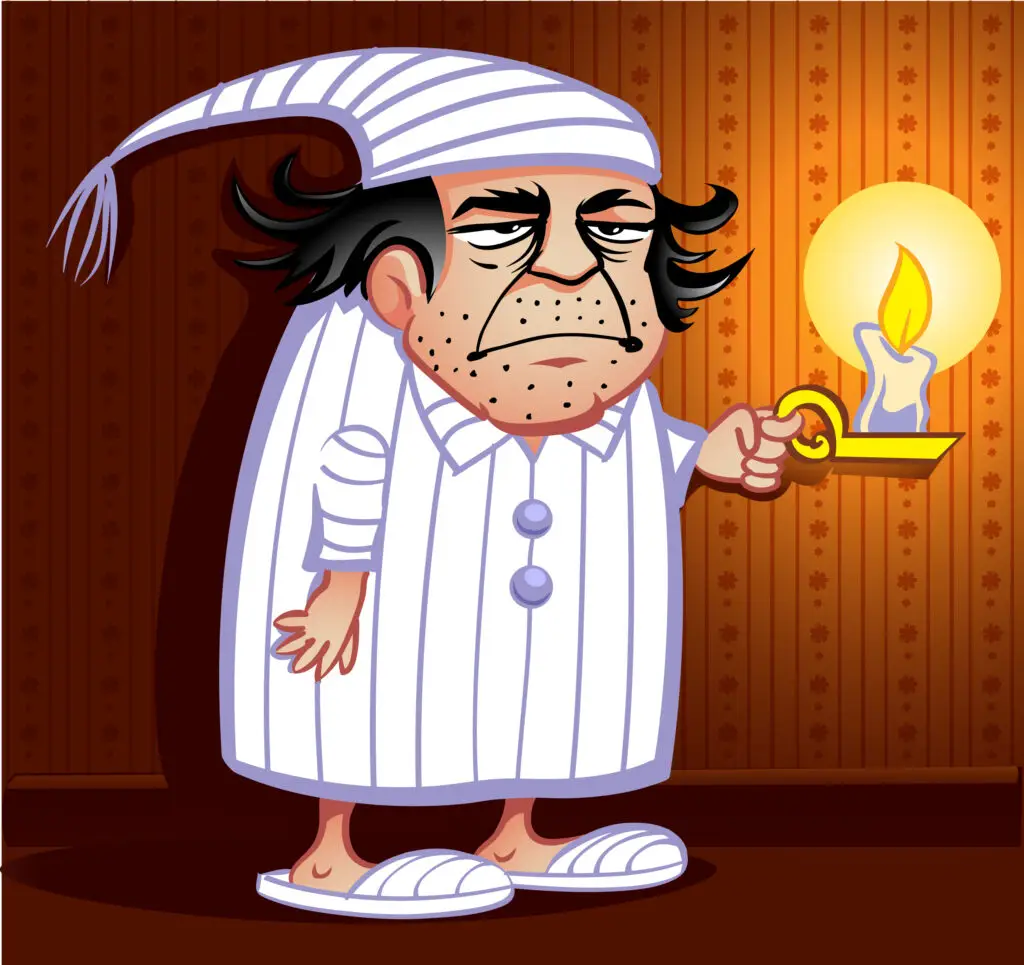
Sleep is one of the most critical—but often overlooked—pillars of lasting health. How, when, and how much you move during the day can shape the quality and length of your sleep for better or worse.

The Science Behind Exercise’s Effect On Sleep

Moderate Activity Equals Better Sleep

  • Consistent, moderate-intensity exercise is proven to help people fall asleep faster, enjoy deeper slow-wave sleep, and reduce wakefulness and insomnia symptoms.
  • Even just 30 minutes most days can improve sleep quality and duration, supporting healthy aging, better recovery, immune function, and sharper cognition.
  • Moderate activities (walking, cycling, swimming, resistance training) can balance stress and boost mood, helping regulate melatonin, serotonin, and decrease sleep latency.

When Exercise Hurts Sleep—Overtraining & Timing

  • Studies in athletes and active adults show that high-intensity exercise, especially when done late in the day, can trigger a spike in stress hormones (adrenaline and cortisol) that disrupt sleep.
  • Exercise-induced insomnia may mean spending more time in bed without restful sleep, frequent waking, and difficulty falling or staying asleep, especially after vigorous training.
  • Poor recovery can be linked to endurance supplements with caffeine; caffeine and stress can keep cortisol levels high for hours after training, further impairing the ability to relax and sleep.

How To Optimize Sleep and Recovery in Santa Fe

Balance Exercise and Rest

  • Aim for moderate activity (30–45 minutes) most days, earlier in the day.
  • Avoid intensive evening workouts; late-night high-intensity exercise delays melatonin release and keeps you alert longer.
  • Support recovery with clean, protein-rich nutrition, hydration, and low sugar intake.
  • Use relaxation, mindfulness, or breathwork routines to help transition into sleep, especially on tough training days.
  • Take rest days or reduce intensity if sleep disruptions or increased nighttime waking occur.

Nutrition, Supplements, and Recovery Tools

Diet matters too—choose clean meals focused on protein and iron, avoid caffeine and stimulants late in the day. One cup of coffee can raise cortisol for several hours. Always listen to your body and adapt your program if sleep quality declines.

Bottom Line—Exercise for Better Sleep in Santa Fe

Exercise is vital for good sleep and overall health, but overtraining, late caffeine, and poor recovery routines are common pitfalls. Santa Fe’s active residents can enjoy high energy and restorative sleep by following science-backed habits and listening to their bodies for true wellness.

Explore healthy lifestyle, training, and recovery resources:
Healthy Living and Mind-Body Balance

Find out more @
Facebook

LinkedIn

Pinterest

Instagram

Youtube

Bluesky

Personal Training Success Story Santa Fe Rosanna Dill

kyphosis posture correction success story Santa Fe

Real Results with SolCore Fitness Rosanna Dill’s Story

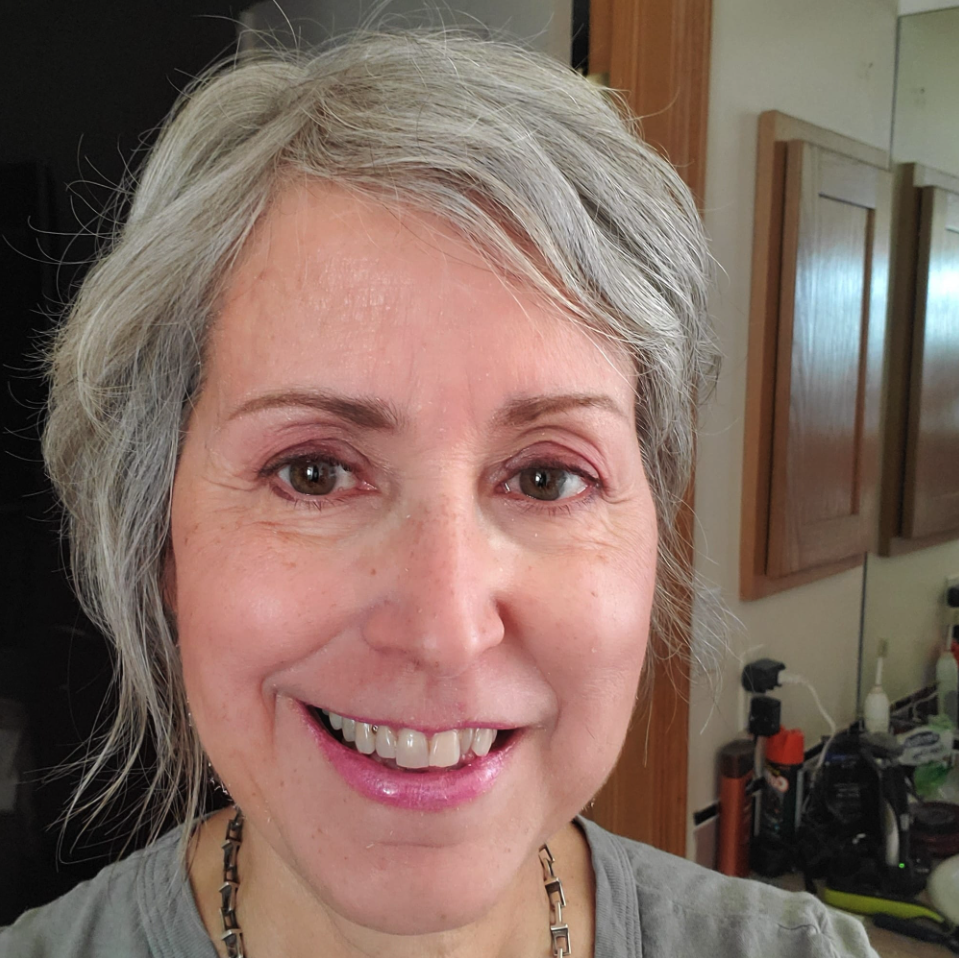
There’s a running joke in the midday group exercise class at SolCore Fitness: around 12:32, Rosanna comes screeching in with her workout gear and high heels, grins, and says, “Great, let’s do it!”—no matter the activity. But Rosanna’s story is much more than cheerful energy; it’s about commitment to fixing her upper back and overcoming thoracic kyphosis.

Facing Kyphosis Why Rosanna Started

Rosanna has always problem-solved her way through life—whether as her family’s “handyman” or with at-home workouts. Yet, her own program didn’t touch her real issue: increasing rounding in her upper back, a classic thoracic kyphosis that 90% of adults develop.

Rosanna’s Turning Point

Her main goal became not to be the “hunched back little old woman.” After seeing SolCore Fitness on Facebook, she decided to “stop being a cheap bastard,” and join a group class for expert help. She wanted a targeted solution, and she committed fully to every class and piece of homework.

How SolCore’s Program Changed Everything

Results After Dedicated Effort

  • “I have so much more awareness in my body. There’s more freedom in movement, and my tight upper back is slowly going away.”
  • The varied and integrated exercises—especially back extensor routines, targeted wall stretches, and upper back strength circuits—slowly, steadily improved her posture and mobility.
  • Rosanna worked her tail off, doing the assigned drills and extras, learning the value of consistency for long-term improvement.

Favorite Exercises and Challenges

  • “I like all the exercises—how they work together for whole-body progress. The wall stretch even helps me sleep!”
  • Her ongoing challenge: continuing to open up her upper back, addressing old postural imbalances and preventing new ones.

Advice for Members and Newcomers

  • “Take your time. It’s a process to get results—three months is too soon, and six weeks isn’t enough. Stick with it because it’s totally worth it.”
  • For anyone on the fence: “This program is a subtle yet effective practice that realigns your body.”

The Science Behind Kyphosis Correction

Correcting thoracic kyphosis requires a mix of posture training, muscle strengthening (especially back extensors and core), and strategic stretching of the chest and neck. Studies show group classes and personalized routines—like those at SolCore—improve alignment and long-term mobility, decrease rounding, and support healthy aging.

See more client success, posture correction science, and exercise tips:
Success Stories: Real People, Real Results

Find out more @

Facebook

LinkedIn

Pinterest

Instagram

Youtube

Bluesky

Hey Santa Fe! Get Off Your Tush! Sitting is the New Smoking, but is Standing the Answer?

sitting vs standing health Santa Fe

Is Sitting Really the New Smoking?

It’s no secret that modern life means too little movement. Research shows that sitting more than six hours a day leads to an increased risk of heart disease, diabetes, disability, and early death. The American Cancer Society’s 18-year study of 123,000 subjects found higher death rates in those who sat longest. It’s why excess sitting is now compared to smoking for its negative health impact.

Are Standing Desks the Best Solution?

Pros and Cons Backed by Science

Standing desks have surged in popularity. Companies like UpDesk report massive sales growth, and studies confirm that breaking up sitting time can reduce musculoskeletal discomfort, boost energy, and improve posture. Interventions with sit-stand desks show improvements for some markers of cardiometabolic and vascular health—especially when combined with overall movement.

Yet, evidence also points out limits: calorie burn from standing is minimal. Long hours of standing can lead to enlarged veins, compressed spine, and even reduced productivity if done excessively. Dr. Jos Verbeek highlights that the research on standing desks is “fashionable and not proven good for your health,” and studies caution against standing all day.

Risks of Prolonged Standing

Spending too much time on your feet can be as problematic as over-sitting. It raises vein risks, can worsen lower back pain, and doesn’t solve underlying inactivity.

What Can Santa Fe Actually Do?

Movement Is the Real Solution

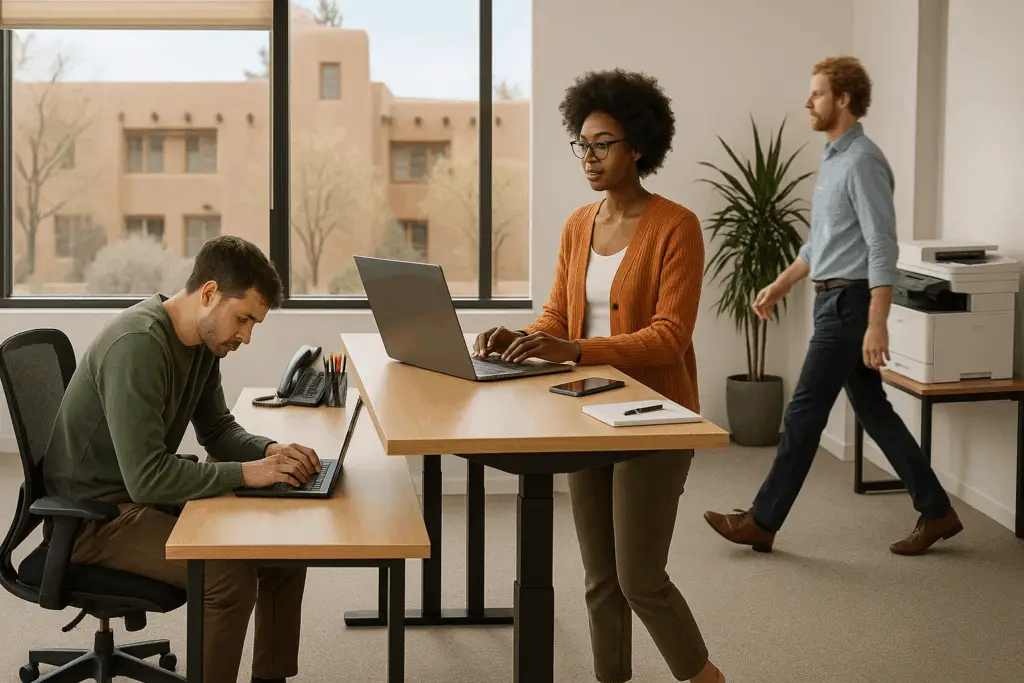
Real progress comes from changing habits—not just switching from sitting to standing. Experts recommend moving every 30 minutes: sit for 20, stand for 8, and use 2 minutes to stretch or walk. Structural tweaks like placing the printer farther away or restricting easy elevator access help encourage movement. In long-lived regions like Okinawa, Japan, people sit on the ground, get up often, and walk as a primary mode of transportation—all proven to support cognitive health and longevity.

Walking is the Ultimate Medicine

Decades of research confirm what Blue Zones like Okinawa show: regular walking directly counters the negative health impact of sedentary life and is tied to extended lifespan and cognitive health.

The Balanced Truth for Santa Fe

While standing desks aren’t the full answer, neither is constant movement. The healthiest approach is intentional activity: reduce sitting, use standing as a tool, and make walking, stretching, and frequent posture changes a normal part of every workday.

Learn more about posture, mobility, and movement with Global Postural Stretching:
Global Postural Stretching

Find out more @

Facebook

LinkedIn

Pinterest

Instagram

Youtube

Bluesky