Mobility Training

Why Stretch or Warm Up, Santa Fe? Discover What Science Says

dynamic stretching warm-up Santa Fe

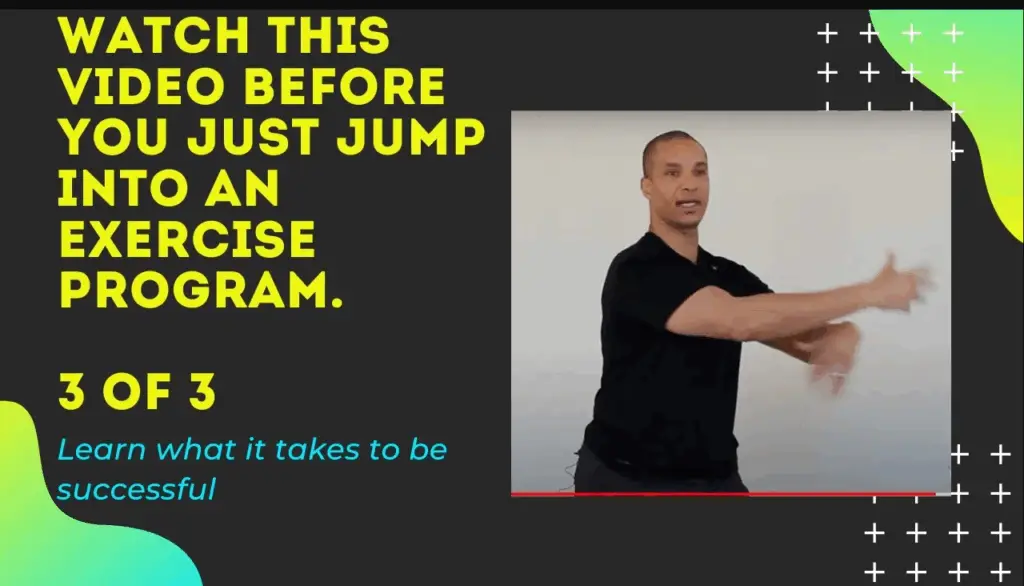
Watch this video to find out.

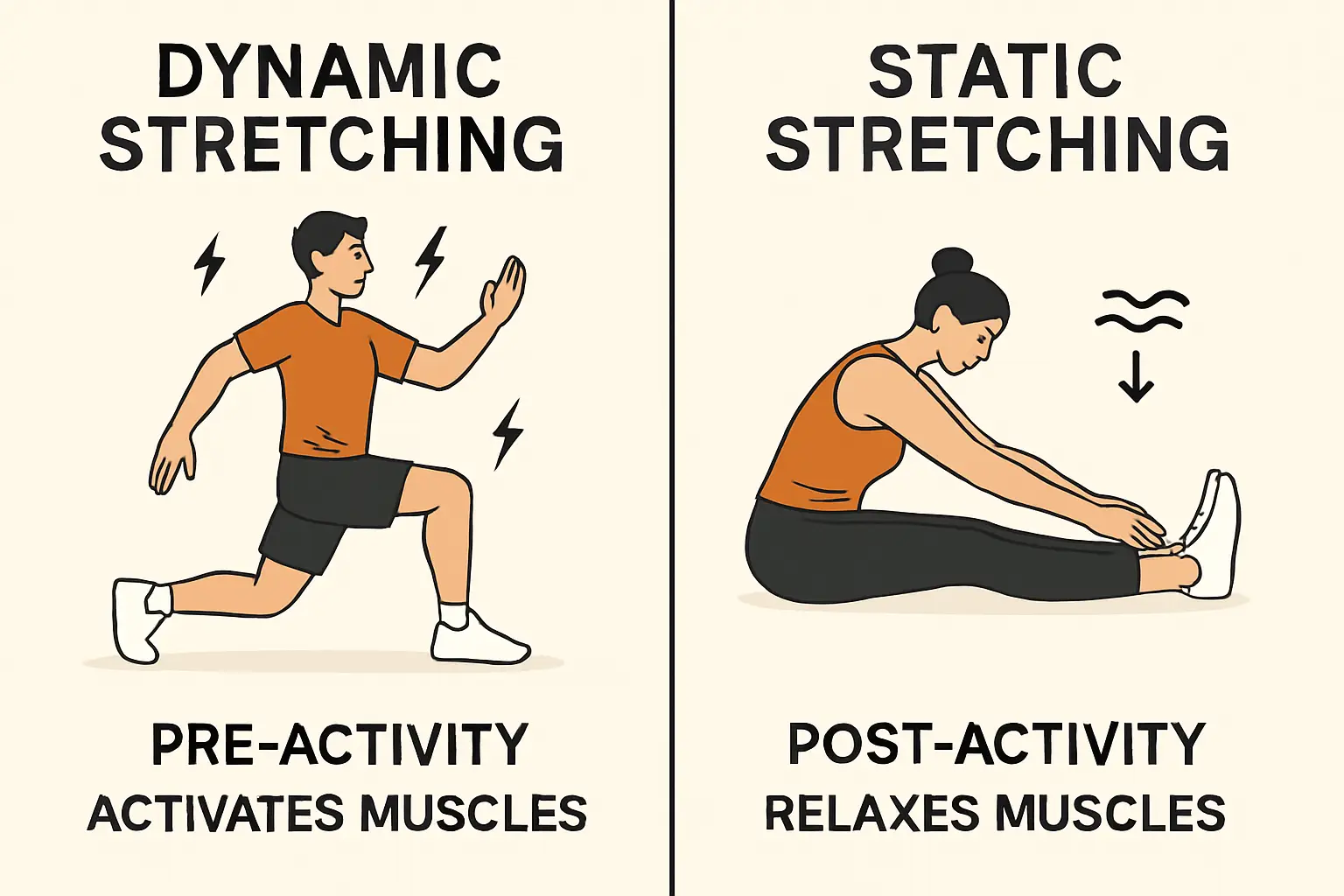
Warming up before activity isn’t optional—it’s the secret to safer movement, better performance, and long-term results. But not all stretching is created equal. Science shows that dynamic stretching is best for warm-ups, while static stretching fits only after exercise.

Dynamic vs Static Stretching: Key Differences

  • Dynamic stretching uses active, moving exercises (arm circles, leg swings, walking lunges) to get muscles and joints ready for action. This kind of stretching:
  • Excites proprioceptors (the sensors that tell your brain where your body is in space), making muscles respond quickly and efficiently.
  • Increases blood flow, muscle temperature, flexibility, and coordination—all boosting athletic performance and reducing injury risk.
  • Rehearses movement patterns, prepping your nervous system for real-world moves.
  • Static stretching (toe-touch and hold, side bends, hamstring stretch) is slow and sustained—holding a muscle in one position for 15–90 seconds.
  • Works after activity, relaxing muscles and easing tension.
  • If done before a workout, static stretching can actually trigger a mild stress response, causing muscles to lengthen and weaken—reducing power, strength, and reaction time. Static stretching before exercise occasionally raises injury risk, and can undermine performance.

The Gold Standard: Myofascial Stretching

  • Myofascial stretching is an advanced form of stretching that targets the connective tissue (fascia) linking muscles and joints throughout the body.
  • Unlike basic dynamic or static stretches, myofascial stretching balances tension across muscle chains, restores mobility, and optimizes alignment.
  • Best for long-term results: higher flexibility, movement confidence, and injury prevention—all in one.

How To Warm Up Like a Pro

  • Start every session or activity with 5–10 minutes of low-intensity movement (walking, light jogging, jumping rope).
  • Add dynamic stretches—arm circles, walking lunges, trunk rotations, hip, and shoulder swings.
  • Save static stretches for after exercise—when relaxation and resetting muscle length is the priority.
  • Blend in myofascial stretching for complete mobility and long-term functional gains.

Explore myofascial stretching and programs designed for Santa Fe’s active community:
Myofascial Stretching: The Best Total Body Active Stretches

Find out more @

Facebook

LinkedIn

Pinterest

Instagram

Youtube

Bluesky

Personal Training Success Story Santa Fe Janette

personal training chronic pain recovery testimonial Santa Fe

Being in the fitness field, it’s impossible not to get attached to the people you work with. Some of my greatest joys come from getting to know each person, hearing their stories, and seeing the progress they make. Janette’s journey especially exemplifies this process—her determination inspires me daily.

Janette, about 40 years old, arrived at SolCore Fitness with the body and spine of someone much older. She was in constant, semi-debilitating pain. Her duty to family and hope for relief kept her going, even through days when just making it home meant collapsing without energy for her loved ones.

She sought help from numerous practitioners—chiropractors, massage therapists, and physical therapists—but her pain only grew worse. Not even routine tasks, like bathing her daughters, were manageable. Unable to take pain meds and unwilling to risk spinal fusion, Janette tried acupuncture and found a measure of relief before she reached out to SolCore.

On her initial visit, the wall stretch brought tears to her eyes as tissue was realigned. This pain was tough, but necessary; healing often requires working through discomfort where tissue has “healed out of order.” Janette showed remarkable commitment, doing every stretch and exercise, even at home. At one point, her husband questioned why she kept going; her answer was simple—“Because this has to work.”

Over time, her pain faded. Janette is now lifting, running, and—most importantly—present and active with her family. Her advice: “Keep going! Take it one class at a time, do your homework, and when you don’t feel like going, go anyway. Even a little bit can make a dramatic difference.”

Q&A With Janette

  • What made you decide to start a program?
    “I was sick and tired of pain. I’d tried everything, but your program spoke to me. I dove in.”
  • Previous strategies?
    “Lifting, running, acupuncture, and PT—none worked. I was told nothing could be done.”
  • Biggest achievement?
    “My pain is almost gone. I can play with my kids, work out, and enjoy life.”
  • Favorite and least favorite exercise?
    “Love lifting. The lower/mid thoracic ELDOA’s are tough but essential.”
  • Current challenges and goals?
    “Continuing posture correction and losing 10–20 lbs gained during inactivity.”
  • What do you like best about SolCore?
    “It works! The personal attention and well-designed program make sense.”
  • Advice to members?
    “Be consistent, do your homework—even just a bit helps.”
  • Advice to those on the fence?
    “Just do it. Commit for at least three months to feel real change. If it can work for me, it can work for anyone.”

Janette’s Extra Thoughts:

As a nurse and lactation consultant, Janette faced degenerative disc disease and repeated injuries. At 39, she was facing cervical fusion. “SolCore was a last desperate search. I didn’t want surgery—I wanted my life back.” After trying everything and feeling depressed, Janette felt blessed to find Ekemba and SolCore. “Ekemba saved my life. I recommend this to everyone—family, co-workers, and friends. ELDOA keeps you strong and prevents disability with age. The aging process shrinks us; fitness rebuilds our bodies and keeps us moving.”

Explore personal training and chronic pain solutions for lasting recovery:
Personal Training and Manual Therapy

Find out more @
Facebook

LinkedIn

Pinterest

Instagram

Youtube

Bluesky

Superfoods Which Are the Most Super, Santa Fe?

best superfoods nutrition Santa Fe

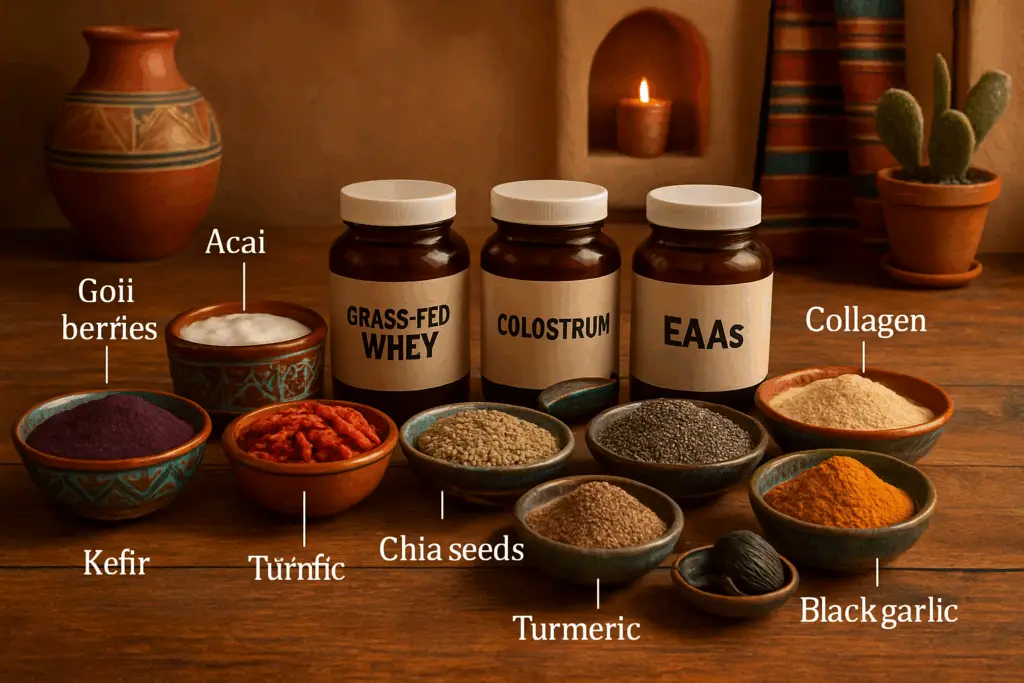
Every magazine talks about “superfoods”—but what’s the science, and which superfoods really help? Superfoods are foods packed with essential vitamins and minerals, and some truly live up to the hype. Here are nine proven picks you should include in your diet:

The Shortlist of Super Superfoods

  • Acai: High in antioxidants for cancer and heart disease prevention. Juice, powder, or frozen—great in yogurt and smoothies.
  • Goji Berries: Packed with Vitamin C and used for immune, circulation, and vision support.
  • Kefir: Creamy and probiotic-rich to boost digestion and immunity.
  • Hemp Seeds: Loaded with protein, key amino acids, fatty acids, magnesium, and potassium.
  • Chia Seeds: High in protein, fiber, calcium, and omega-3s—easy in smoothies or oatmeal.
  • Turmeric: Anti-inflammatory and brain-boosting. Extracts offer higher curcuminoid benefits.
  • Cacao Powder: Flavonoid-rich for heart and brain health. Choose minimally processed (not alkalized).
  • Maca Powder: From Peru, adds vitamins B, C, and E; good for energy.
  • Black Garlic: Twice the antioxidants and antimicrobial properties of regular garlic.

Bonus: Next-Level Supplements

Whey Protein

Whey provides a powerhouse of bioavailable amino acids—critical for muscle repair, immunity, and metabolic health. Choose grass-fed, concentrate forms with minimal fillers for the best results.

Colostrum

Nature’s “mother’s milk,” colostrum enhances immune function, GI integrity, and recovery. Find grass-fed options with bioavailability for best absorption.

Amino Acids (EAAs)

While BCAAs (branched-chain amino acids) offer fast-acting energy and delay muscle fatigue, a supplement with all essential amino acids (EAAs) is superior for muscle recovery, growth, and overall tissue health.

  • EAAs provide all nine building blocks for muscle protein synthesis, not just the three in BCAA formulas.
  • EAAs also support mood, immunity, and metabolism—ideal for recovery after workouts, tissue repair, and maintaining strength over time.

Summary Table:

SupplementKey RoleWhy It Matters
Whey ProteinProtein source, immunity, recoveryAll-around replenishment
ColostrumImmune and gut healthFaster healing, anti-inflammatory
EAAsMuscle growth, energy, full recoveryComplete tissue repair, better than BCAAs

BCAAs can help prevent muscle breakdown and delay fatigue, but for true recovery and muscle building, EAAs (which include BCAAs as well as six other essentials) are more effective and comprehensive.

The Payoff

Some superfoods are just “superfakers,” but these nine foods and three supplements can dramatically boost your health, energy, and recovery—especially when personalized for your metabolic needs.

Explore more nutrition, supplement, and holistic health resources for Santa Fe:
Holistic Nutrition & Healthy Weight Program

Find out more @

Facebook

LinkedIn

Pinterest

Instagram

Youtube

Bluesky

Hey Santa Fe! Get Off Your Tush! Sitting is the New Smoking, but is Standing the Answer?

sitting vs standing health Santa Fe

Is Sitting Really the New Smoking?

It’s no secret that modern life means too little movement. Research shows that sitting more than six hours a day leads to an increased risk of heart disease, diabetes, disability, and early death. The American Cancer Society’s 18-year study of 123,000 subjects found higher death rates in those who sat longest. It’s why excess sitting is now compared to smoking for its negative health impact.

Are Standing Desks the Best Solution?

Pros and Cons Backed by Science

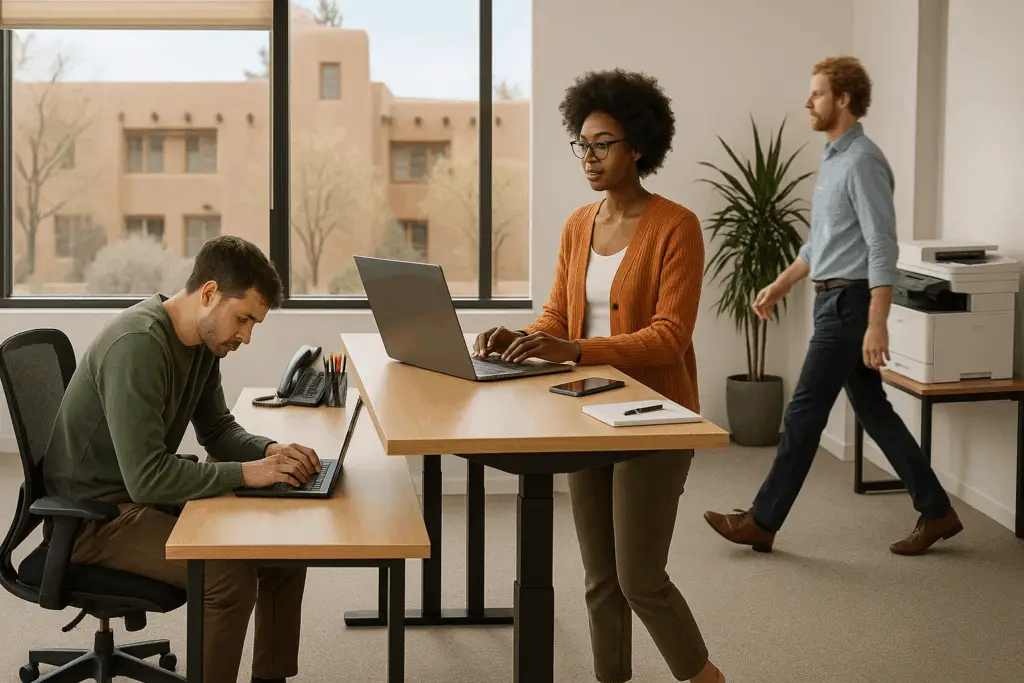
Standing desks have surged in popularity. Companies like UpDesk report massive sales growth, and studies confirm that breaking up sitting time can reduce musculoskeletal discomfort, boost energy, and improve posture. Interventions with sit-stand desks show improvements for some markers of cardiometabolic and vascular health—especially when combined with overall movement.

Yet, evidence also points out limits: calorie burn from standing is minimal. Long hours of standing can lead to enlarged veins, compressed spine, and even reduced productivity if done excessively. Dr. Jos Verbeek highlights that the research on standing desks is “fashionable and not proven good for your health,” and studies caution against standing all day.

Risks of Prolonged Standing

Spending too much time on your feet can be as problematic as over-sitting. It raises vein risks, can worsen lower back pain, and doesn’t solve underlying inactivity.

What Can Santa Fe Actually Do?

Movement Is the Real Solution

Real progress comes from changing habits—not just switching from sitting to standing. Experts recommend moving every 30 minutes: sit for 20, stand for 8, and use 2 minutes to stretch or walk. Structural tweaks like placing the printer farther away or restricting easy elevator access help encourage movement. In long-lived regions like Okinawa, Japan, people sit on the ground, get up often, and walk as a primary mode of transportation—all proven to support cognitive health and longevity.

Walking is the Ultimate Medicine

Decades of research confirm what Blue Zones like Okinawa show: regular walking directly counters the negative health impact of sedentary life and is tied to extended lifespan and cognitive health.

The Balanced Truth for Santa Fe

While standing desks aren’t the full answer, neither is constant movement. The healthiest approach is intentional activity: reduce sitting, use standing as a tool, and make walking, stretching, and frequent posture changes a normal part of every workday.

Learn more about posture, mobility, and movement with Global Postural Stretching:
Global Postural Stretching

Find out more @

Facebook

LinkedIn

Pinterest

Instagram

Youtube

Bluesky

How ELDOA’s Increase Spinal Mobility And Get Rid Of Neck And Shoulder Pain

ELDOA for spinal mobility and neck/shoulder pain Santa Fe

Why Thoracic Spine Mobility Is Key for Neck and Shoulder Health

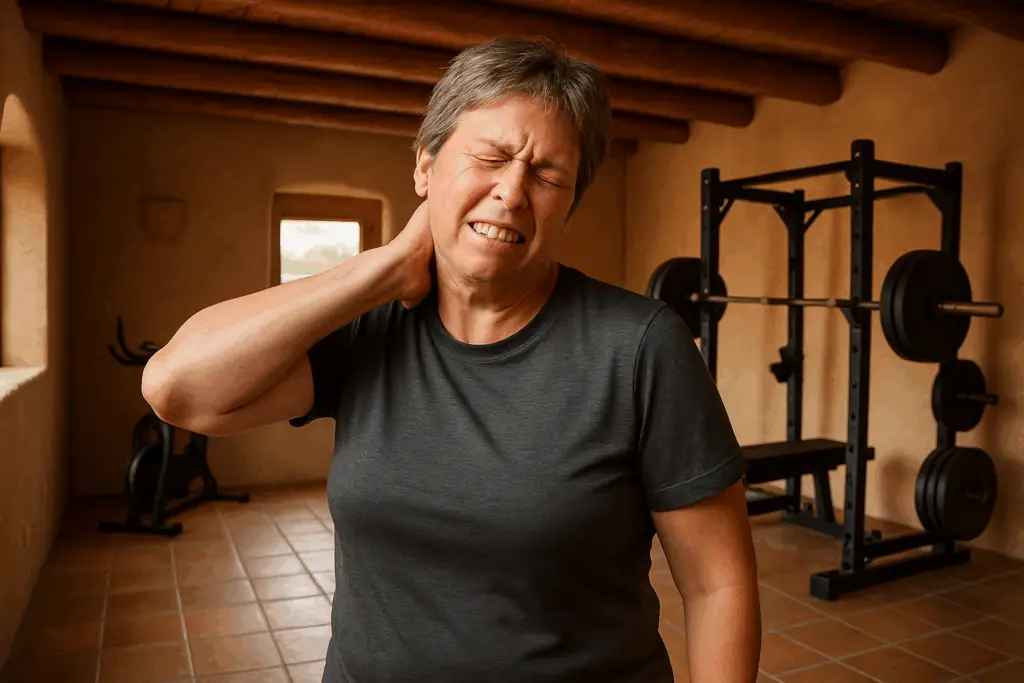
Many people struggle with rounded shoulders, difficulty with good posture, and recurring pain during movement. The underlying culprit is often poor thoracic spine mobility—an issue that leads to compensatory stress in the lower back and shoulders and amplifies neck, shoulder, and rotator cuff pain.

ELDOA Method—Science Behind Improved Mobility and Pain Relief

What are ELDOA Exercises?

ELDOA (“Etirements Longitudinaux avec Decoaptation Osteo-Articulaire”) are unique, self-applied postural exercises developed by Guy Voyer, DO. Each posture is designed to create targeted decompression in a specific spinal joint, increasing space, rehydrating discs, reducing pressure, and restoring joint alignment.

  • The thoracic spine is crucial for rotation, flexion, extension, and deep breathing.
  • ELDOA postures train mobility while stabilizing areas that need protection—preventing the lower back and scapula from compensating for lost motion.
  • Mobilizing the thoracic spine properly prevents excessive lumbar spine movement, which is built for stability—not big rotations or repeated bending.
  • Benefits include improved posture, relief from disc compression, increased lung volume, healthier shoulders, and overall freedom of movement.

ELDOA for Neck and Shoulder Pain—What the Research Shows

Techniques and Results

  • ELDOA postures for the cervical and thoracic spine address neck pain, tension, and instability, while also targeting scapular health for shoulder mobility and pain reduction.
  • Correct use of thoracic mobility (with ELDOAs) protects both the spine’s architecture and shoulder mechanics—helping clients avoid hypermobility, ligament laxity, and chronic compensation pain.
  • Holding ELDOA postures for 1 minute daily can deliver measurable improvement in pain, flexibility, and strength for most joints in the upper back and neck.

Practice, Posture, and Progress for Santa Fe

The true power of ELDOA is conscious, precise mobility: straightening and lengthening the spine, deepening breath, and rolling the shoulders back—without sacrificing lumbar or shoulder stability. By focusing on posture while developing spinal mobility, residents of Santa Fe can minimize kyphosis, shoulder discomfort, and persistent neck pain.

Your “Do” list:

  • Use ELDOA postures for thoracic extension and alignment
  • Deepen your breath with rib expansion and upright posture
  • Combine mobility training with core stability exercises

Your “Don’t” list:

  • Avoid aggressive, compensatory lumbar twisting
  • Don’t let increased thoracic mobility contribute to daily posture rounding
  • Don’t skip core and scapular stability drills to support gains from ELDOA

Discover targeted mobility, flexibility, and postural solutions:
ELDOA: The Ultimate Spine And Joint Exercises

Find out more @

Facebook

LinkedIn

Pinterest

Instagram

Youtube

Bluesky

Personal Training Success Story Santa Fe – Pat Murphy

Group exercise, personal training success Santa Fe

Meet Pat Murphy — Proof That It’s Never Too Late

If you’ve ever met Pat Murphy, you know her for her glowing, contagious smile. It’s easy to think she’s never had a care in the world, but in reality, Pat’s faced her share of challenges—and come through stronger. After many years working in South Beach Miami as a social worker—supporting individuals through some of life’s hardest moments—Pat made a bold decision. She and her husband Lou packed up and started fresh in Santa Fe, where she focused on new beginnings and even became a wedding officiant.

Finding Strength and Relief

Pat shared, “I started to notice that I was getting weaker and starting to have a lot more pain. Many of my friends were headed towards surgeries and illness, and I definitely didn’t want that.” She’d tried Pilates, Yoga, and standard group exercise, but nothing felt right. “They didn’t know how to address what was really going on, and I was honestly afraid I’d get hurt.”

Everything changed after she heard about SolCore Fitness. “When I heard you speak, it really resonated with me and I knew it was for me,” Pat said.

Sticking With It—Celebrating the Wins

Starting was hard. “We were doing myofascial stretching for my hip flexors and it was tough because it was new and because I needed it. I honestly wondered if I’d quit.” But Pat didn’t quit—she kept showing up for herself, and the results speak for themselves. “The pain I was constantly in is pretty much gone. I feel so much stronger and I am really proud of myself each time I finish a class.”

When asked about her favorite exercise, Pat smiles again: “I love the 90/90/90. My hips feel so good and balanced after we do them.” As for her least favorite, she jokes, “Frogs. I know they’re good for me, but they’re hard!”

Why Group Training at SolCore Works

Pat credits the group atmosphere and expert trainers for her motivation. “Being in a group where everybody’s working hard is fantastic. The attention to detail and the knowledge that you guys provide is wonderful.” Her biggest advice for other members? “Just keep coming!” And for anyone on the fence about joining? “Just try it and see what you’re capable of.”

Looking to experience what Pat did, or curious about SolCore’s group model? Find out what makes the difference for so many by visiting our Group Exercise Classes page for more real success stories like Pat’s:
https://www.solcorefitness.com/group-exercise-classes/

Find out more @

Facebook

LinkedIn

Pinterest

Instagram

Youtube

Bluesky

How To Choose a Personal Training Fitness Program For You in Santa Fe #3

Santa Fe personal training, primal movement workout

Click on the image to watch the full video

How to Choose the Right Personal Training Program—Santa Fe’s Expert Guide

Let’s start with a simple fact: your workout should help you move better in life—not just in the gym. That means focusing on full-body, functional movements. At SolCore Fitness, we use the seven primal moves (squat, lunge, bend, twist, pull, push, gait) because these patterns mirror how you live: sitting down, reaching, picking things up, rotating, and walking.

Why does this matter? If your routine is all about sitting on machines and isolating muscles, you’re not preparing your body for real-world demands. “If I just go to the gym and sit in a machine, it doesn’t translate into life at all. Life is more dynamic—movements work in combination, and your workout should reflect that.”

Don’t Stretch First! How to Warm Up and Train Smarter

One of the biggest misconceptions is stretching before you begin. Performance and safety actually improve if you start with cardiovascular activities like walking or jumping jacks, then move every joint through all three planes of motion—sagittal, frontal, and transverse. “Don’t stretch first. Warm up with movements that get your blood flowing, then activate your muscles through a variety of directions before you train.”

During your workout, focus on balancing push and pull movements, and make sure you include what your body needs—not just what you prefer. “If you love stretching or yoga, try lifting weights for better balance. If you’re into bodybuilding, add mobility and flexibility work. We always gravitate to what’s comfortable, but success requires working on your weaknesses.”

Sets, Reps, and Progress—What’s Right for You?

How do you know how many sets or reps to do? Start with your goal:

  • Fewer reps, more sets = strength and power
  • More reps, fewer sets = muscle endurance
    Assess yourself monthly, and don’t rush the process. Real change takes time. “Meaningful results usually require at least 90 days of consistent effort, and true transformation—new tissue, better alignment—can take nearly 10 months. Be patient, assess regularly, and course-correct when needed.”

Stretch After—Normalize Your Body for Better Recovery

After your workout is the time to stretch and bring your body back to neutral. This helps prevent repetitive stress injuries and keeps muscles functioning smoothly. “Every activity creates tension in specific muscles—bring them back to normal before your next session for lasting health.”

System, Consistency, and Support

People succeed because they have a plan, openness to change, and a supportive system. Personalized coaching makes a huge difference—guiding you in movement patterns, progressive adaptation, and mindset. Looking for the right program? See how SolCore Fitness’ personal training and manual therapy can help:
https://www.solcorefitness.com/personal-training-and-manual-therapy/

Find out more @

Facebook

LinkedIn

Pinterest

Instagram

Youtube

Bluesky

How To Choose a Personal Training Fitness Program For You in Santa Fe #2

Posture types, biotensegrity, and muscle layers diagram

Click on the image to watch the full video

Structure Dictates Function In Health—Why It Matters for Your Training

What does “structure dictates function” really mean? Borrowed from osteopathy and Andrew Taylor Still, this principle teaches that the way your body is built determines how well it’s able to move, heal, and perform—including digestion, heart, and hormonal health. Think about a house with a cracked foundation—no matter how strong the roof, eventually it’ll collapse. It’s identical with posture and movement: poor structure in the spine, pelvis, or feet leads to compensation and injury over time.

Posture, Biotensegrity, and Compensations—A Smart Program Starts at the Source

Before beginning any fitness or running program in Santa Fe, you need to assess your posture: sway back, lordosis, kyphosis, forward head, or ideally, aligned posture with head, shoulders, hips, knees, and ankles in one line. Good posture should feel automatic—not forced—so a best-fit program works on correction first, not just “going harder.” If misalignments persist, small repetitive stresses (like a dripping faucet) eventually cause breakdown—herniations, torn labrums, chronic pain.

The body is a biotensegrity system—a flexible, balanced network (think Golden Gate Bridge, not brick wall) where tension and compression are distributed through muscles, fascia, and joints. Imbalances anywhere cause pain elsewhere: a twisted shoulder can lead to the opposite-side hip or ankle pain. Training should target both deep (“pit”) structural muscles and the visible (“dam”) movers, with special attention to fascia as a whole-body connector—not just isolated parts.

Your Training Progression—Flexibility, Stability, Strength, and THEN Power

When choosing personal training, look for programs that:

  • Address flexibility and freedom first
  • Build stability next
  • Progress to strength and then power
    Most mainstream routines rush to lifting or running and skip the foundational steps that prevent injuries years down the line. True holistic fitness in Santa Fe begins by restoring function and natural alignment, layering progress for results that last.

See the diagram below for a visual guide to biotensegrity, posture types, and injury compensation patterns:

Understanding Structure Dictates Function: Biotensegrity, Muscles, and Posture

Curious about how SolCore Fitness assesses structure and develops corrective plans? See Personal Training and Manual Therapy for more details:
https://www.solcorefitness.com/personal-training-and-manual-therapy/

Find out more @

Facebook

LinkedIn

Pinterest

Instagram

Youtube

Bluesky

What About Clean Water In Santa Fe?

Santa Fe hydration tips, water and spine health

Why Hydration Is a Big Deal in Santa Fe

Let’s face it—Santa Fe can feel seriously dry, especially with the high desert air and rising temperatures. That’s why staying hydrated needs to go way beyond the basic reminder to “drink more water.” When it comes to fitness and everyday health in this climate, water isn’t a suggestion—it’s a necessity for feeling good and moving well.

Water, Your Spine, and Pain—What’s the Connection?

Here’s something most people don’t realize: hydration isn’t just about quenching thirst or keeping skin happy. It actually plays a huge role in keeping the spine and back healthy. The discs between each vertebra are like tiny shock absorbers, with an inner core that’s mostly water. All day long, gravity squeezes out the water from these discs—and each night, if the body has enough fluids, the discs rehydrate as you sleep.

That’s one reason why people are a little taller in the morning than at bedtime! Without enough water available, the discs can’t fully rehydrate, which means less “cushion” for your spine, more day-to-day pain, and less freedom to move. Wait until you’re thirsty? You’re already dehydrated.

Movement, ELDOA, and Making Hydration a Habit

Movement keeps these discs hydrated, too. The more the spine moves, the more water the discs can absorb. ELDOA exercises not only reinforce the tissue around these discs but also help them stay elongated, meaning they lose less water during daily compression. But ELDOA is only effective if there’s enough water in your body to support all that good tissue work.

Three Simple Habits for Better Hydration

Staying on top of hydration doesn’t have to be complicated:

  1. Drink water first thing in the morning—before that coffee, tea, or breakfast
  2. Invest in a water bottle you like and keep it with you to help keep sipping all day
  3. Try two or three ELDOA stretches at night before bed to give your spine a head start on rehydration

So, how honest are you being with your hydration? Start small, stay consistent, and notice how much easier your body moves—and how much better your back feels—when you make water a daily priority.

Looking for expert guidance on how hydration, spine health, and fitness all connect in real life? Check out SolCore Fitness’ Personal Training and Manual Therapy to see how comprehensive coaching supports your well-being in Santa Fe:
https://www.solcorefitness.com/personal-training-and-manual-therapy/

Get more information @ 

Facebook

LinkedIn

Pinterest

Instagram

Youtube

Bluesky


Personal Training Success Story – Barbara Radov

Personal training client celebrates fitness progress in Santa Fe

Commitment to Excellence—Meet Barbara Radov, June Member of the Month

At SolCore Fitness, “commitment to excellence” isn’t just a catchphrase—it’s a Core Value. Nothing’s more rewarding than working with people who share that spark and drive to improve. Barbara Radov is the perfect example: always thinking ahead, eager to understand the “why,” and competing with herself to be just a bit better every day.

Barbara’s journey is a blend of thoughtful planning and action. Before SolCore, hiking was her go-to, but she realized she needed more for true, sustainable health—especially building strength and posture for a better quality of life as she ages.

Q&A With Barbara—Growth, Challenges, and Advice in Her Words

Q: What made you want to start a program?
“I knew that I needed to do something besides cardio. I’m great at getting my hikes in, but to have good physical quality of life as I got older, I needed to improve my strength and posture.”

Q: What did you do before?
“A lot of hiking! I tried yoga, joined a gym or two, but never found what I was looking for.”

Q: What results are you most proud of?
“I drink way more water than ever. My posture’s improved and I’m stronger. I notice my hikes are easier—no more tired or sore legs at the end. My balance and body awareness are so much better. I used to lose balance and bump into walls—now, that’s gone.”

Q: Favorite exercise (and least favorite!)?
“I have a love-hate with roll up/roll down abs—they’re tough, but I feel the core and spine benefits. Frogs? That series is my nemesis!”

Q: What challenges or goals are you working on now?
“Continuing to improve my posture.”

Q: What do you like best about the program/trainer?
“The expertise in class is amazing. My classmates motivate me, and I love that you’re always learning and leveling up yourselves. It’s inspiring!”

Q: What advice for other SolCore Fitness members?
“Isn’t this fun? Doesn’t it feel good to push yourself in such a positive way?”

Q: What would you say to someone on the fence?
“If you REALLY do it, it will change your life.”

Feeling inspired by Barbara’s story? Explore all the ways SolCore Fitness can help you find your own strength, improved posture, and a supportive community:
https://www.solcorefitness.com/group-exercise-classes/

Get more information @ 

Facebook

LinkedIn

Pinterest

Instagram

Youtube

Bluesky