
SolCoreFitness

Live Life ‘As if’ To Accomplish Your Goals

accomplish your goals

Accomplish your goals.

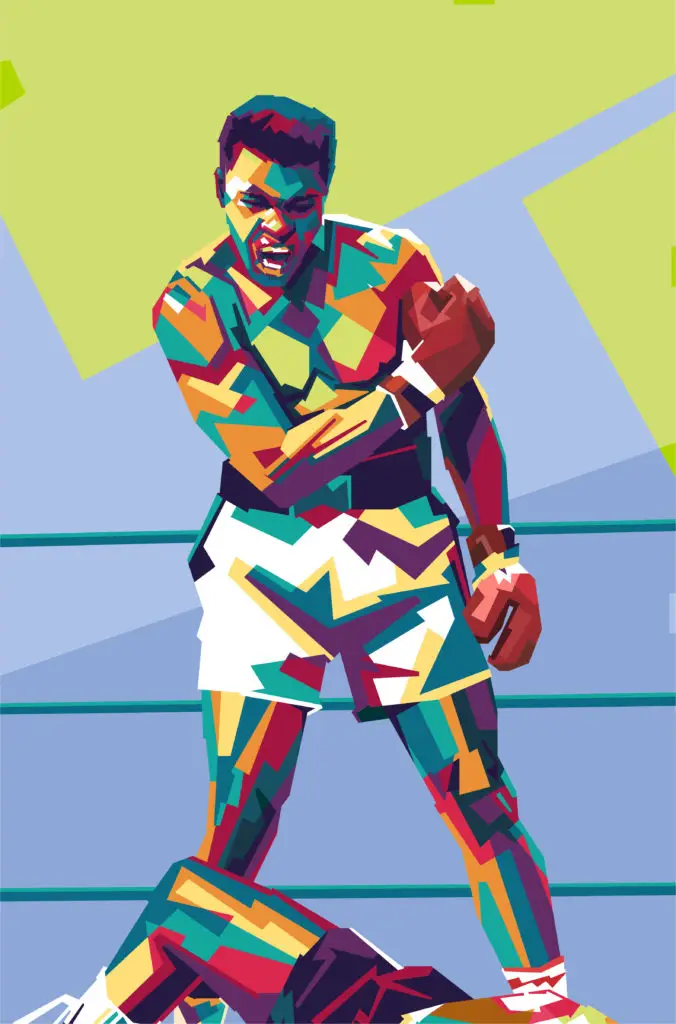
Muhammad Ali famously said he “hated every minute of training, but I said, ‘Don’t quit. Suffer now and live the rest of your life as a champion.’” This mindset—enduring discomfort today in service of something greater tomorrow—is a hallmark of champions, and one of the most powerful mental shifts you can adopt to achieve your goals in any area of life.

Even Ali admitted: it’s not always glamorous. It can be boring, grueling, and sometimes feel totally pointless. But instead of letting that defeat you, he chose to live “as if” the outcome was already his. What if you could harness the same focus and vision, not just in the gym, but in your daily life?

Here’s how you can do it:

  • Imagine your life after you’ve achieved your goal.
    Visualize the specifics:
    👍🏽 How brightly will you smile, feeling your body working properly while you play with your kids?
    👍🏽 How much will you enjoy saying YES to new activities—kayaking, traveling, running, or lifting—thanks to your confidence and balanced, healthy body?
    👍🏽 How will it feel to embrace opportunities, not hide from them?

Don’t just glaze over these questions with a quick “oh, that’d be nice.” Let yourself go deep. Fully invest your senses—imagine the environment, your mood, the people, even the sounds and smells.

  • What’s your mood? Are you proud of yourself, or do you retreat and feel disappointed?
  • Will you be the person who tries new things, or who stays home thinking about what could have been?

Fire up that imagination. Science and experience agree: acting as if you’re already the champion, parent, entrepreneur, or athlete you aspire to be, builds pathways in your mind and behaviors that make those outcomes possible.

Ali’s secret wasn’t just about suffering through the hard stuff—it was about believing in the outcome every single day and acting accordingly. As he put it:

“Don’t quit. Suffer now and live the rest of your life as a champion.”

What’s your vision? What does your “as if” victory look like? Try living in that future, today and then take every small action with the pride and confidence you’ll feel when you finally reach it.

Have you tried this mental strategy to accomplish your goals? Let me know in the comments your story could inspire someone else to live “as if” their dreams are coming true.

[Book a free consult] if you’re ready to envision and build your healthiest, most active life, start here.

it’s not just working out, it’s building a foundation for a better life.

Find out more @
Facebook

LinkedIn

Pinterest

Instagram

Youtube

Bluesky

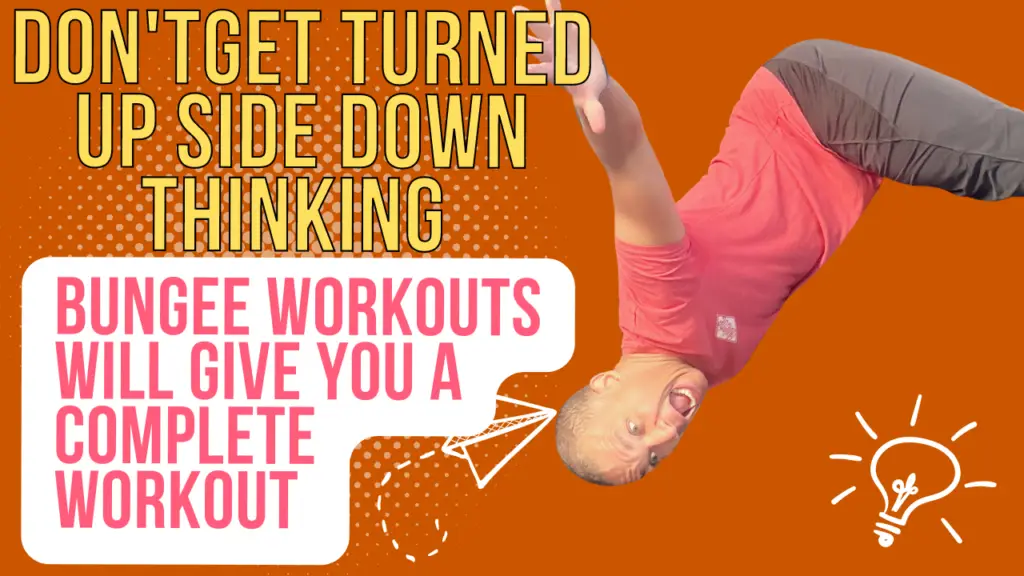
Bungee Workout?! Why Fad Fitness Hurts More Than It Helps

bungee workout risks

Click on the image to watch the video

The flashy world of bungee workouts seems to promise a shortcut to the body—and the life—you want. Maybe you’ve seen ads with people bouncing in harnesses, grinning from ear to ear. Sure, it looks exciting, novel, and fun. But before you sign up, let’s get real: as a 25+ year fitness and manual therapy pro, I can assure you this approach is more likely to set you back than move you forward.

[The Ultimate Guide For A Holistic Exercises And Fitness Program]

The Fad Fitness Problem

This industry is littered with quick-fix fitness fads and miracle solutions—bungee workouts are just the latest example. Fads catch our attention, make wild promises with clever marketing, and always seem to parade a handful of “success stories” and cherry-picked scientific stats. But here’s the catch: they’re built on half-truths, not the tested foundations that keep you healthy, strong, and mobile over a lifetime.

The issue with fads:

  • They’re not sustainable
  • They rarely deliver long-term results
  • They rely on hype instead of foundational science
  • Most dangerously, they can increase your risk of pain and injury

Bungee Workouts: Fun… But Safe or Smart?

While bungee cord workouts might have entertainment value for some, they introduce multiple risks and rarely develop the most important aspects of a functional, pain-free body. Wearing a bungee harness places significant, dynamic force through your body—fast shifts in direction, instability, and jerking motions that can trigger pain or worsen pre-existing imbalances.
The harness can place uncomfortable pressure on the abdomen and lower back, posing extra risks for people with back issues, cardiovascular conditions, or if you’re pregnant. Vertigo, joint and ligament strain, and loss of balance are all common complaints.

Because the harness “reduces” apparent weight, it can mask true deficiencies, letting you move through advanced planes of motion without ever developing the foundation your body needs. This leads to:

  • Compensation patterns going unnoticed
  • Weak links getting weaker
  • Forces accumulating in the wrong areas—like your knees, back, or neck
  • Increased chances of strain, sprains, or even falls

Bungee workouts can give you a false sense of accomplishment, but underneath, you haven’t strengthened the stabilizers or “deep system” that keeps your body aligned, resilient, and pain-free.

“Stimulating your body is good. Jumping around from trend to trend without respecting progression or foundational integrity is a recipe for injury.”

Build Your Foundation—the “Boring” Secret to Real Results

Think of your body like a pyramid—without a strong base, the top will never stand tall. Your foundation is built from:

  • Mobility and strength in deep muscles
  • Balanced myofascial chains and connective tissues
  • True neuromuscular connection—awareness, coordination, balance

If you’re missing any piece, your system breaks down with more activity or, worse, the more complicated or “fun” (read: advanced) the workout. It’s no different than stacking heavy loads on a wobbly table. Eventually, you’ll see dysfunction, pain, or injury.

“If your muscles and fascia aren’t aligned, if you don’t feel connected in your movement, every new challenge will magnify your weak link. Maybe that’s your back, your knees, your digestion, or just your motivation.”

How Do Fads Gain So Much Traction?

These programs are built to sell—slick marketing and “success” testimonials pull you in, get you emotionally excited, and make you think this is the missing link. But most people quickly realize: gimmicks may bring quick entertainment, but never sustainable, functional change.

Do What Works Even if It’s Not Flashy

If you truly want to build a body that moves well, is pain-free, and is up for life’s adventures, you need:

  • A scientific, systematic approach
  • A strong, mobile, and balanced musculoskeletal and fascial system
  • Movement progression rooted in your actual needs, not hype
  • Persistence, education, and a tailored plan for your unique body

It’s not always “sexy” or instant but the rewards are exponential. You get the skills to stay out of pain, keep up with your favorite activities, and become your own best trainer and therapist for life.

it’s not just working out, it’s building a foundation for a better life.

Find out more @
Facebook

LinkedIn

Pinterest

Instagram

Youtube

Bluesky

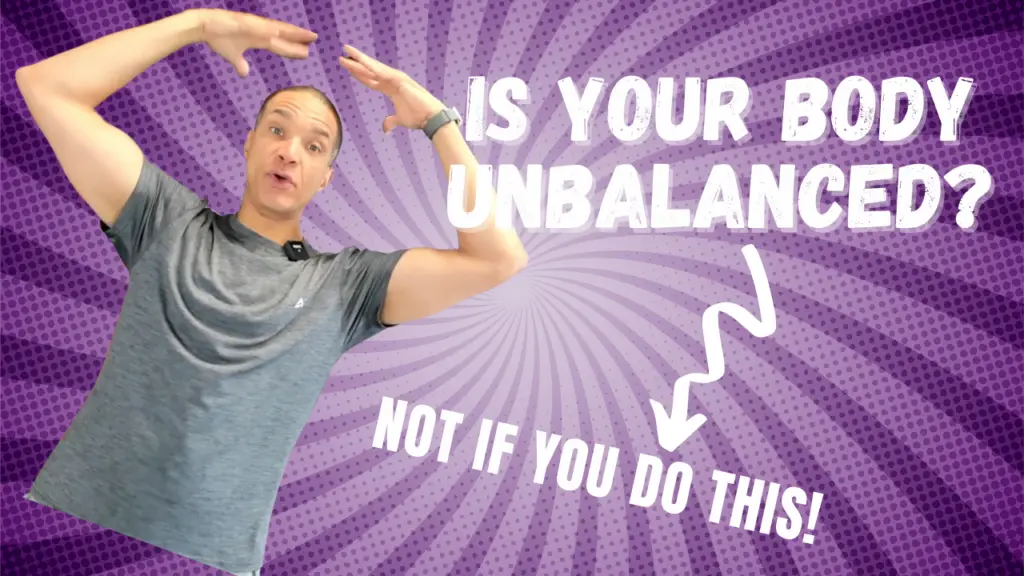
Knowing THIS Will Help Your Balance (And Prevent Falls!)

balance and proprioception

Click on the image to watch the video

Feeling off-balance or constantly afraid you’ll fall is more than a worry. It impacts your life, holding you back from activities you want to do and sapping your confidence. Many balance programs focus on standing on one foot or doing random balance drills, but true stability is much more complex, and so is the path to improving it.

Why Most Balance Routines Fail and What Actually Works

Cookie-cutter approaches to balance just aren’t enough. They’re too general, ignoring the layered complexity and uniqueness of every body. To truly improve your balance, you need a holistic plan that addresses your structure, your “soft tissue” (muscles, ligaments, fascia), and your neurological “computers”—your proprioceptors.

1. Structural Alignment Your Foundation

Imagine your body as a house. If the foundation or walls are off, everything above is unstable. Your bones must be aligned, and your hips and pelvis balanced, to channel force smoothly through your entire frame. This is more than posture—it’s about the interplay of hard (bone) and soft tissue (muscles, fascia, ligaments) all working together for stable movement.

Fun fact: Your bones adapt to repeated forces and movement—if you’re off balance or compensating, your skeleton will actually remodel around those forces, making misalignment worse over time. That’s why generic “adjustments” alone never last; your muscles and fascia must be trained, too.

2. Biotensegrity The Body’s Inner Suspension Bridge

Ever heard of “tensegrity”? It just means the harmony between tension and compression—how your soft tissue web, not just bones, is what actually keeps you upright and balanced. Your muscles, tendons, ligaments, and fascia are all interconnected and play a major role in stability, not just movement.

If you’re missing strength or mobility in one area, the whole system suffers. Generic exercise routines or bouncing between fad workouts without addressing your personal gaps won’t help. The key is specificity—testing and building up your weak links.

3. The Glute Medius Your Hip’s Hidden Hero

Your glute medius stabilizes the pelvis and is foundational for staying upright, stepping, and shifting your weight. If it’s weak or poorly coordinated, your “house” tips and daily movements become risky. The best assessment and strengthening moves isolate different fibers in the glute medius (not just doing “clamshells”), with your leg in various angles and a strong, fixed core for real-world benefit.

4. Proprioception Training Your Balance “Computers”

Balance isn’t just muscle—it’s knowing where your body is in space, thanks to proprioceptors (“position sensors”) in your feet, spine, TMJ, eyes, and ears. If one system’s off, your brain’s internal map is wrong—you feel “off” even when you look straight, and compensations leak through the whole body.

To improve this, you need:

  • Targeted foot and ankle work: barefoot balance, one-leg stances, standing on soft surfaces
  • Spine awareness: core and trunk engagement, rotational exercises
  • Head, jaw, eye, and ear alignment: gentle neck exercises, gaze stability drills

Proprioceptive training should progress from simple (e.g., static one-leg balance) to complex (eyes closed, dynamic reaches, unstable surfaces, dual-tasking). Key: Always train specifically for your deficits—not just generic drills.

5. Start Where YOU Are

You can’t address everything at once—successful balance training means finding your lowest-hanging fruit. Use a notepad, test your strengths and weaknesses, and focus on two or three new habits or drills at a time.

If you want a body that’s truly balanced and ready for life—whether that’s hiking, gardening, or just moving with confidence and without fear of falling—you need to address all the interconnected parts: structure, soft tissue, proprioception.

[Book a free consult] for a holistic assessment and personalized program that will target exactly what you need to regain control, improve your balance, and enjoy every activity with confidence.

it’s not just working out, it’s building a foundation for a better life.

Find out more @
Facebook

LinkedIn

Pinterest

Instagram

Youtube

Bluesky

Working Out FOR a BETTER Life: It’s About the Foundation, Not Just Fitness

holistic health fitness program

It’s not just working out—it’s building a foundation for a better life. That’s not just a slogan. It’s the driving insight behind what a true health and fitness routine is supposed to achieve. When approached holistically, fitness is the gateway for transformation: physically, mentally, emotionally, and even spiritually.

My Journey to Holistic Fitness

I’ve felt this in my bones since I was young—even before I had the words. Sports, movement, and healthy eating gave me structure and focus growing up, and I soon realized the value of incorporating mindset, visualization, and positive belief alongside physical training. What began just as sports and healthy eating soon became routines in goal setting, journaling, and affirmations. These simple but powerful strategies enabled me to go beyond what teachers or diagnoses thought possible—and most importantly, to start believing in my own potential.

You’re More Than a Body. Fitness Should Reflect That.

As I grew and eventually became the owner of SolCore Fitness, I kept seeing the same problem: too many programs—especially in big-box gyms—treat exercise like a checklist. Do these reps, burn these calories, and move on. But a fitness foundation built only on the latest routine, without guidance or purpose, can’t address the depth of who you are or the layered challenges you face.

holistic fitness plan must consider:

  • Physical Health: Building strength, mobility, and injury resistance so you can move, play, and age well.
  • Mental Health: The right routine improves focus, battles distraction, calms a busy mind, and boosts creativity and resilience.
  • Emotional Wellbeing: True fitness reduces stress, increases confidence, and helps you bounce back from setbacks.
  • Social Connection & Purpose: Working out becomes a vehicle for belonging, accountability, and compassion—for yourself and others.
  • Spiritual Health: Movement connects you to what matters—whether it’s a sense of purpose, gratitude, or something greater than yourself.

True Holistic Fitness Builds on Strong, Integrated Foundations

Every phase of your life brings new challenges, losses, and opportunities. Sometimes you might feel invincible; other times, a single injury or setback can shake your identity to its core. I know this firsthand—after a significant injury, I had to rethink everything. Gone were the routines that used to work. In their place, I found osteopathy and the “structure dictates function” principle. I became obsessed with weaving together strength, nutrition, movement, mindset, and deeper learning.

When you combine physical, mental, and emotional progress, transformation happens:

  • You learn to appreciate what your body CAN do (not just what it looks like)
  • You wake up parts of yourself—muscle chains, mental habits, creativity—that had “fallen asleep”
  • You discover new reserves of resilience and motivation, even when you “fail” or meet resistance

Most importantly, you realize: Every challenge is an opportunity to know yourself more deeply, and every victory unlocks another level of growth.

It’s Not “Just” About Longevity—It’s About Quality and Purpose

We all want to live as long as possible, but what about living vibrantly and joyfully, every step of the way? A holistic fitness program is about creating that positive trajectory, so you can:

  • Stay active and pain-free through every decade
  • Play with kids, grandkids (or great-grandkids!)
  • Try new activities, travel, garden, or pursue passion projects
  • Feel mentally clear, socially connected, and emotionally grounded—even when times get tough

A complete, individualized fitness plan helps YOU decide what kind of life you want to live…and then gives you the tools (and the confidence) to achieve it.

[Book a free consult] if you’re ready to discover what a true holistic health and fitness plan can do—not just for your muscles, but for your entire life journey. Let’s build the foundation that keeps you strong, joyful, and inspired for decades to come.

it’s not just working out, it’s building a foundation for a better life.

Find out more @
Facebook

LinkedIn

Pinterest

Instagram

Youtube

Bluesky

Leg Length Discrepancy DO You Have It? WHY It Matters. WHAT To Do.

leg length discrepancy

Ever feel like your body is off-balance one hip higher, your shoes wear unevenly, or odd aches pop up in your knees, hips, or back? If so, you might have a leg length discrepancy and yes, it matters more than you think. This issue can have a direct impact on movement, posture, and discomfort throughout your body.

[The Ultimate Guide For A Holistic Exercises And Fitness Program]

Why Does Leg Length Discrepancy Matter?

When one leg is longer or shorter than the other—even by a small margin—it can throw your whole body out of balance. This can create issues wherever your body is weakest: hips, knees, feet, spine, or even in your digestion or thinking (thanks to nervous system compensation). Research estimates that 90% of people have some difference, but most are mild. About 20% of adults have a difference above 9mm (about 3/4 inch), which is significant enough to need support.

True vs. Functional Leg Length Discrepancy

  • True Discrepancy: One leg bone is physically shorter or longer, due to genetics, injuries, or surgeries (congenital, trauma, or after hip replacements).
  • Functional (Apparent) Discrepancy: The legs are structurally equal, but soft tissue, joint misalignments (like in your SI joint), or muscle imbalances make one leg “act” shorter. This is far more common, and easily misdiagnosed.

How Do You Know Which Kind You Have?

  • True: Only confirmed by measurements between bony landmarks (greater trochanter to lateral knee, or by X-ray).
  • Functional: May appear shorter/longer with some measurements, but really reflect pelvis, SI joint, or muscle tightness.

What Causes Leg Length Discrepancy?

  • Congenital structural differences (from birth)
  • Traumas/fractures or damage to growth plates (especially in childhood)
  • Hip or knee replacements, bone infections, tumors
  • Muscle or ligament tightness (especially hip rotator cuff, SI joint imbalance)

How Much Is Too Much?

Small differences (<10mm or 1/2 inch) rarely cause problems. Above 10mm, you’ll likely feel symptoms—back/hip/knee pain, uneven wear on shoes, or even poor posture and gait changes. Significant differences may require lifts, physical therapy, or, rarely, surgery.

What Should You Do?

1.     Test & Measure
·       Compare both bone length (greater trochanter to ankle; not just ASIS-to-malleolus, due to joint effects).
·       Assess for SI joint or pelvic involvement: Often, a rotated or flared pelvis mimics a true discrepancy. Address this with appropriate therapy, not just a heel lift.
2.     Address Functional Discrepancies First
·       Target soft tissue and muscle imbalances, especially pelvic muscles and deep rotators (obturators, gemelli, piriformis, quadratus femoris).
·       Stretch AND strengthen—each muscle may need a different “counteraction” exercise. Check both sides to keep your pelvis balanced.
·       Avoid using heel lifts for purely functional causes, as they can reinforce imbalance.
3.     Stretching & Mobility Work
·       Find which stretches are hardest for you—those are probably your critical areas.
·       Don’t just focus on the “short” side—balance both.
4.     Know When to Involve a Specialist
   If you truly have a bone length difference >1/2 inch and symptoms persist, a skilled therapist or ortho can guide treatment, which may involve lifts, therapy, or rarely surgery.

Key Takeaway

Don’t assume all leg length differences need a “fix.” Find out whether yours is structural or functional, treat what you can, and always address muscle and joint imbalances alongside any other interventions. Your entire body from head to toe will thank you.

it’s not just working out, it’s building a foundation for a better life.

Find out more @
Facebook

LinkedIn

Pinterest

Instagram

Youtube

Bluesky

Osteoporosis AND Bending Over: What’s Safe, What’s Not, and How to Move Better

osteoporosis bending over safety

If you’ve been diagnosed with osteoporosis, chances are you’ve heard some version of this warning: “Don’t bend over you might break your back!” But is it really that simple? What if you drop something, need to garden or vacuum, or want to play with your grandkids? Does having osteoporosis mean you’re forever doomed to a life of restricted movement or is there a more balanced, empowering approach?

[The Ultimate Guide For A Holistic Exercises And Fitness Program]

The Standard Warning and Why It Exists

Osteoporosis thins your bones and makes them more fragile, especially at the spine. Standard advice is to avoid:

  • Forward flexion (bending at the waist with a rounded back)
  • Twisting (especially while flexed)
  • Lifting heavy items with poor body mechanics

The reason is simple: These moves sharply increase compressive forces on your spine, particularly the front part of your vertebral bodies, and this is exactly where bone is most fragile with osteoporosis. In fact, statistics show the majority of osteoporosis-related spinal fractures happen with simple, daily movements—not from falls or accidents. Even something as simple as bending to tie your shoes or pick up a pet can trigger a vertebral fracture if your posture is poor and your bones are weak.

Why This Advice Isn’t the Whole Story

But real life isn’t lived in a bubble. You WILL need to bend, reach, and twist from time to time. And here’s the truth: No two people with osteoporosis are exactly alike. Your risk of fracture is determined by far more than just your diagnosis. It’s about your overall bone density (as measured by your T-score), your history of fractures (or lack thereof), your balance and strength levels, your soft tissue health, your nutrition, and even your hydration and stress levels.

Did you know…?

  • A T-score from −1 to −2.5 is considered osteopenia (lower than average bone mass but not yet true osteoporosis).
  • Osteoporosis is diagnosed at −2.5 or below, and deeper negatives signal greater risk.
  • If you have had a previous spinal fracture, your risk of another is much higher.

What About Everyday Life?

Imagine you have beginning osteoporosis or osteopenia. You still want to hike, garden, travel, and play with your grandkids. Should you be terrified to bend? No! But should you move with greater awareness and make smart modifications? Absolutely.

Let’s break down the top considerations:

  1. Your Bone Density and History
    If your osteoporosis is advanced (lower T-score and/or history of spinal fractures), you must be extra cautious—especially with high-risk, forceful, or repetitive bends. If you’re earlier in the process and otherwise active, movement is critical for maintaining bone and muscle!
  2. Your Current Fitness and Mobility
    How balanced and strong is your body right now? If you have good posture, strong legs and hips, and flexible fascia, you’re already more resilient. If you’re already a little frail, dehydrated, or consistently out of alignment, your risk is higher—and so your plan needs to start with foundations.
  3. Your Technique: Bending Smart
    The key for everyone—regardless of bone density—is learning and practicing safe movement patterns:
  4. Hip hinge, not spine curl: Bend at the hips and knees, sticking your chest out, so your back stays straight and the force is safely absorbed in your larger stabilizer muscles.
  5. Keep movement slow and controlled: No quick, abrupt bends. Avoid bouncing or twisting motions.
  6. Keep weight close to your body: Don’t reach, stretch, and twist while holding something heavy or awkward.
  7. The Power of Whole-Body Training
    Here’s what’s often missing from most online advice: Total body balance, hydration, fascia health, and postural training are all crucial. Balance helps prevent falls. Hydration and soft tissue health support bone health, nutrient delivery, and safe movement.
  8. Training for balance and stability protects you from both falls and spinal stress.
  9. Maintaining your four spinal curves and strengthening your deep core (abs, back, and trunk muscles) disperses forces more safely.
  10. Hydration supports disc “fluffiness” and joint health—reducing spinal compression and painful movements.
  11. You CAN Build (or Re-Build) Bone Strength Safely!
    Safe weight-bearing, resistance, and low-impact exercises (like walking, light resistance, Nordic walking, and gentle yoga—avoiding loaded flexion and twisting) stimulate new bone growth, help you maintain muscle, and boost confidence.
  12. Every Program Must Be Personal
    Your daily routine, goals (hiking, playing, gardening, or just remaining independent), nutrition, supplement needs, and even sleep and stress must be considered together—not just one-size-fits-all rules. If you’re deeper into osteoporosis, all activity should be customized, and for some people, only micro-movements and balance work are appropriate.

Practical “Yes/No” for Bending Over With Osteoporosis

  • Beginning osteopenia, active & balanced: Yes—with good technique, body awareness, and gradual progression.
  • Moderate osteoporosis, no previous fractures, working on fitness & nutrition: Cautious yes, with modifications and under expert supervision.
  • Advanced osteoporosis with previous fractures or other serious risk factors: Very limited—avoid flexion, get expert advice, focus on postural and functional strength, microstimulation, and sustainable movement patterns.

Never try to “push through” pain, round your back under load, or perform high-impact, jerky, or twisting exercises without guidance.

The Bottom Line

Bending over with osteoporosis is NOT an all-or-nothing rule. It’s a nuanced, highly individual decision, and it’s about good technique, foundational strength, and building your resilience over time. Most importantly, it’s about creating balance—throughout your day, your body, and your routine. With the right plan, support, and progression, you can stay strong, independent, and active for life.

it’s not just working out, it’s building a foundation for a better life.

Find out more @

Facebook

LinkedIn

Pinterest

Instagram

Youtube

Bluesky