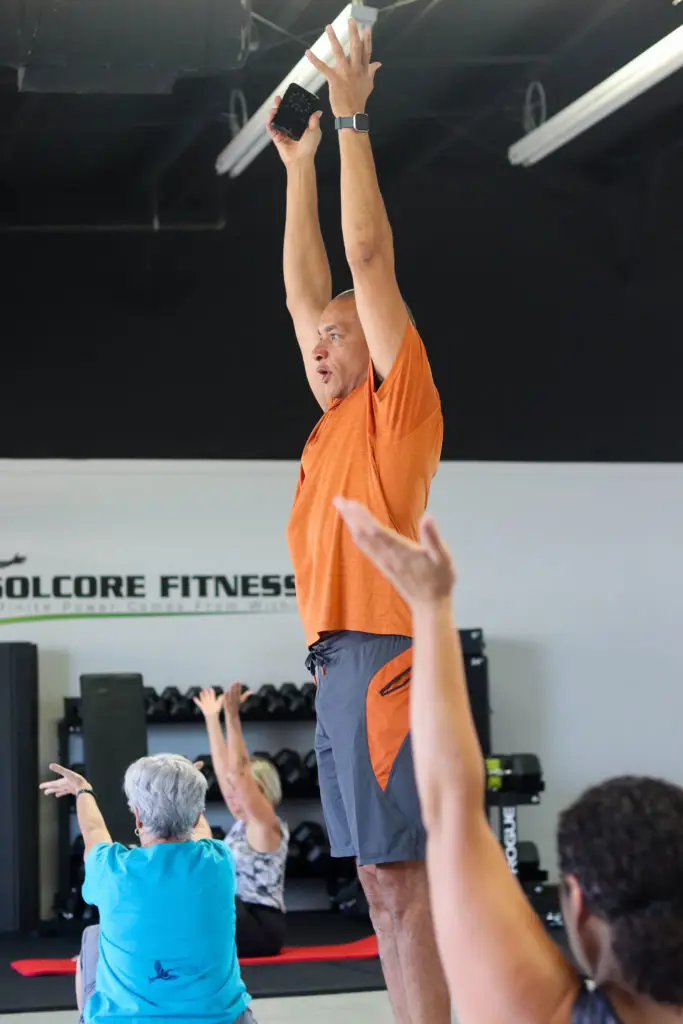
Fascia focused training

I Wish I Had Met You Sooner” Why a True Holistic Approach Works

holistic approach to training and therapy

“I wish I had met you sooner.”
It’s a comment I hear often. By the time people find me, they’ve tried just about everything, only to feel like they’re at the last stop on the train for solving their pain, stiffness, or performance issues.

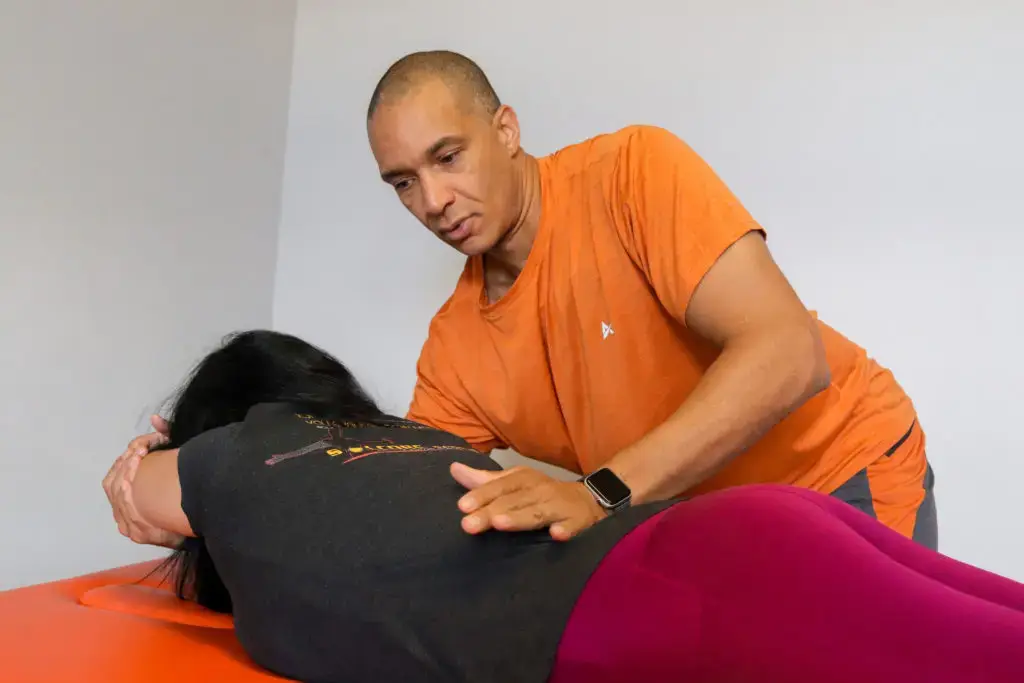
Once they start to feel the difference and understand what we’re doing, how it works, and why it’s different, they realize the osteopathic approach is a game-changer. It’s not magic. I’m simply working with the body how it’s designed to respond.

The problem? Most fitness and corrective exercise programs aren’t specific enough. Your body is like a chain; each link may need its own type of training or treatment. If one link weakens, the entire system suffers. Science tells us the body functions as an interconnected whole, yet too many approaches cherry-pick one or two studies and apply the results to every person forever. That’s not how the body works. It doesn’t live in isolation so your program can’t, either.

With a truly holistic plan, I’m always asking: “Where else could this issue be coming from?” It might mean addressing your feet to solve hip pain, or your thoracic spine to improve shoulder mobility. When every part of the system works together, the results feel almost magical.

You don’t yet know how good your body can feel until you give it the right input to get there. When it’s balanced, strong, and happy, it supports every activity and life goal you have. That’s the power of a truly integrated method like [OSTEOPATHIC EXERCISE AND THERAPY TECHNIQUES].

It’s not just working out, it’s building a foundation for a better life.

Find out more @
Facebook

LinkedIn

Pinterest

Instagram

Youtube

Bluesky

Member of the month: Cindy!

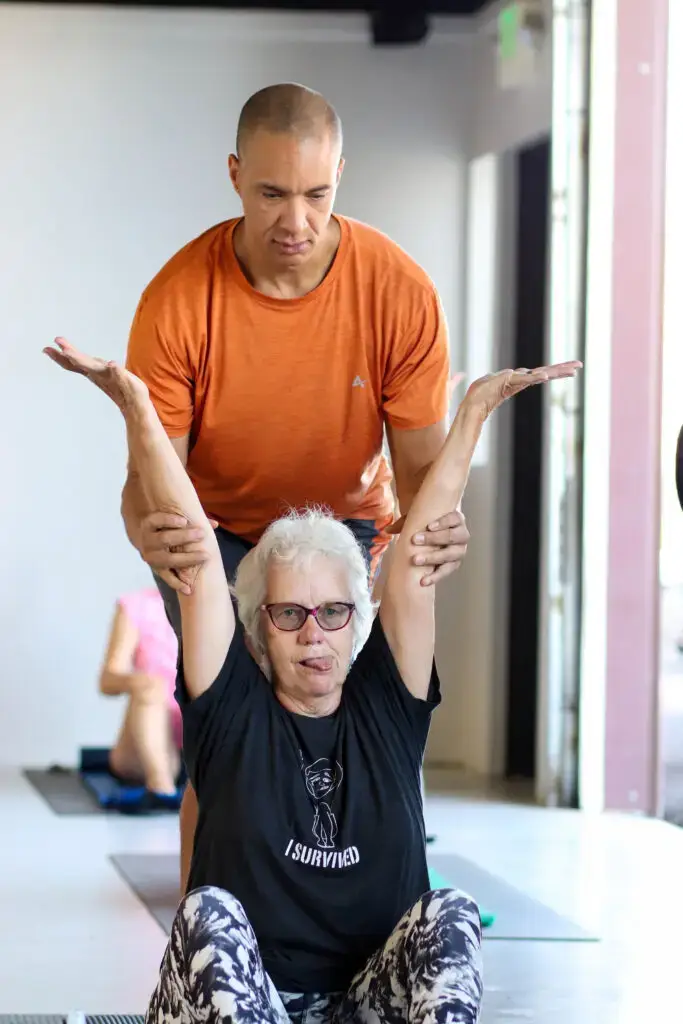
fitness success story of Cindy improving balance and awareness

Most people come to SolCore Fitness when pain, stiffness, or loss of mobility finally forces their hand. That’s not Cindy’s story.

At 67, Cindy wasn’t dealing with major injuries or chronic limitations. Her body had mostly done what she wanted, and she loved an active lifestyle. But she also admitted she’d taken her body for granted. “I’d never had to think too much about it,” she said. Still, she wanted something more than just “going through the motions.”

So when a colleague raved about a free in-house ELDOA class, Cindy gave it a try—and found something different. Something that kept her body from drifting toward stiffness and decline.

From Zumba to Holistic Training

Before discovering SolCore, Cindy enjoyed Zumba and group activities. She even tried weightlifting for a couple of years, but it never clicked. “I didn’t like lifting weights,” she recalled. “No one watched me, and I got sloppy. I just found myself thinking of everything else I’d do after class.”

That turned out to be part of the problem with many conventional gyms: little attention to body awareness, and little guidance beyond the movements themselves.

Cindy craved both community and specificity. She found both through ELDOA and holistic corrective exercise.

Discovering the Breakthrough

Her biggest surprise wasn’t “gains” in traditional fitness terms—it was an entirely new awareness of how she moves through space.

“To be 67 and move like a young person… that to me is worth its weight in gold,” she said. “I’ve seen others lose posture and rigidity take over as they age. I didn’t want that.”

Instead, Cindy reclaimed a sense of fluidity and balance. Whether navigating her uneven yard or climbing tricky terrain, she noticed more control, stability, and even boldness. “I feel like I can do two steps at a time. Like an Amazon woman!”

That sense of confidence, paired with posture and agility, is the real progress she values.

Confidence in the Process

One of Cindy’s favorite aspects is safety. “I never feel like I’m going to hurt myself in your program,” she told me. “I know if I stray, you’ll pull me back. That level of attention means I can focus for the entire 50 minutes—and I don’t do that often!”

That mindset—attentive training, holistic cues, and respect for balance—has kept her progressing steadily.

Why This Works When Others Don’t

Unlike generic programs, Cindy experienced an approach rooted in osteopathic science and fascial system awareness. Instead of hyper-focusing on muscles, which she calls “just stupid pieces of meat,” she understands her body as a fully connected chain. Each link matters. Each one contributes to posture, balance, and movement fluidity.

By focusing on [OSTEOPATHIC EXERCISE AND THERAPY TECHNIQUES], Cindy’s body didn’t just get “stronger.” It became more coordinated, more adaptable—and that’s what keeps her active in her late 60s.

Who Needs This Approach?

Some people label this type of training as “for older adults” only. Cindy laughs at that idea. “To have this awareness when you’re young would be incredible,” she says, reflecting on how her 20s fitness mindset was all about appearance and output. Now she knows body awareness is what preserves function for the long haul.

Her advice? “If you want to keep enjoying your body not just for looks but for everyday life—this is what you need. Whether you’re younger and smart enough to start now, or older and ready for change, this approach will help you move better, feel better, and stay balanced.”

The Secret to Success: Humor

At the end of the day, Cindy has embraced the challenge—and learned to laugh through it. “This program will test your tissues,” I tell all new members. Without humor, the difficulty could feel daunting. Cindy’s sense of humor keeps her light-hearted while doing serious work, and that combination has made all the difference.

Conclusion

Cindy’s story proves that fitness success isn’t about crushing muscles—it’s about listening to your body, working holistically, and training the connective tissue system that truly organizes movement. At 67, she’s walking proof that with the right program, you can move through life with grace, confidence, and vitality.

It’s not just working out, it’s building a foundation for a better life.

Find out more @
Facebook

LinkedIn

Pinterest

Instagram

Youtube

Bluesky

“I Want to Make Sure I’m Doing It Right.”

overcoming perfectionism in fitness

“I want to make sure I’m doing it right.” I hear this all the time from people in my program. The desire for certainty and getting things perfect comes from a good place, but it often becomes a crutch. The wish to “do it right” morphs into “I don’t want to try on my own because I’ll mess up.” Otherwise known as the “I need to be perfect” fear.

As a recovering perfectionist, I’m here to say: perfection doesn’t exist. There’s only choosing the right path, taking action, messing up, and learning—over and over. Certainty? That’s a myth.

That’s why it’s called practice. You learn by trying, not just by being told what to do. Health and fitness often ignore this. Exercise is painted as only about exertion, sweat, and getting “it” right—but real progress is built through practicing new skills, discovering what works for your body, and having the courage to keep showing up.

True challenge isn’t just about sweating more. Anyone can run at a wall and sweat; what matters is focusing your energy on what YOU specifically need. That’s physical but also mental and emotional. And the more you practice—commit, apply, and learn—the more your body responds.

You didn’t expect to ace your first day at work or school; why expect fitness to work differently? Vision, commitment, and time move you forward in every area of life including your health.

Ready to ditch perfection and learn through practice? The [HOLISTIC EXERCISE AND FITNESS PROGRAM] is designed to guide you step-by-step so you’re supported as you apply what you learn, practice by doing, and see real results.

It’s not just working out, it’s building a foundation for a better life.

Find out more @
Facebook

LinkedIn

Pinterest

Instagram

Youtube

Bluesky

If You Believe It, Then Follow It

staying young with holistic exercise

You may have seen the saying, “the goal is to die as young as possible”—and while it’s a clever meme, it requires intentional action if you want it to be your reality. More than anything, “staying young” comes down to attitude and how you take care of your body and mind each day.

If you act old, you’ll feel old. If you’re willing to do what it takes to feel young, the work follows. Your body is equipped with natural healing powers it just needs the right environment. That means hydrating well, eating nourishing foods, managing stress, getting enough sleep, and, most importantly, exercising in a way that brings balance and lasting function.

Random activity alone doesn’t cut it. The real difference comes from choosing movement and corrective exercise that address your unique needs body, mind, and fascia. By giving every part of your system attention, you get flexibility, resilience, and confidence to play with your kids, enjoy the sports and activities you love, and keep every system flowing as it should.

Everything in life including the things you love can wear you down if you don’t offset the damage. But pairing active living with a dedicated, scientifically informed corrective and osteopathic approach keeps you “young” in the ways that matter most.

Want a body that stays young, mobile, and strong? Start by building a plan that goes beyond the meme and lives out the mindset, every day. Try [OSTEOPATHIC EXERCISE AND THERAPY TECHNIQUES] to see what true proactive care can do for you.

It’s not just working out, it’s building a foundation for a better life.

Find out more @
Facebook

LinkedIn

Pinterest

Instagram

Youtube

Bluesky

Train Your Fascia to Avoid Getting Hurt During Your Activities

train your fascia

Happy Friday. Let’s talk about what may be the most important thing you can do to avoid injury and maximize performance in your sports and daily activities: train your fascia.

What Is Fascia, and Why Does It Matter?

Your body isn’t just a collection of muscles, bones, joints, and viscera that operate in isolation. All these systems are integrated and connected via fascia a web-like soft tissue network that unites every part of your body. Imagine one continuous sheet of connective tissue weaving through and wrapping around bones, muscles, ligaments, and even organs. The more this “fabric” is balanced, the more balanced and functional your entire body becomes.

Rods—your bones—form the framework, while joints act as junction points and the fascia is the ever-present, adaptable tissue holding it all together. This system doesn’t just run through the muscles and bones, but actually connects deeper into the joints, ligaments (like the periosteum along your bones), and even the layers of nerves. When your fascia is connected and hydrated, you have a body “suspension system” that’s resilient, responsive, and strong.

“What holds you up isn’t just bones; it’s the many layers of fascia. When trained, healthy, and hydrated, these layers help distribute forces and keep you moving pain-free even under stress or repetitive activities.” (Transcript excerpt)

Balance & Integrity: The Secret of Injury Prevention

So why do people get hurt—during sports, movement, or even ordinary activities like walking? It’s usually not because a single part fails, but because the balance and integrity of the entire fascial network has been compromised. When fascia is out of place, dried out, or not functioning, force from movement isn’t properly distributed. This results in overload, compensation, and—eventually—pain or injury, especially during higher-demand activities like running, skiing, or cycling.

In other words, healthy fascia is your insurance policy against injury. You’re “good” if this system works. You’re at risk if you neglect it.

“The more balanced your fascia is, the more likely you are to move without pain and build strength and coordination in everything you do.” (Transcript)

How to Train Your Fascia (and Why It’s For Everyone)

The good news: anyone can train fascia. You don’t need fancy equipment. You don’t have to be an elite athlete. It’s for active people of all backgrounds—especially anyone feeling slowed down by pain, stiffness, or lack of mobility.

Here’s what fascia-focused training involves:

  • Targeted Stretching and Strengthening: Not your average stretching. These are specialized movements (like ELDOA, myofascial stretching, segmentation, and GPS exercises) designed to mobilize the entire connective network, not just a single muscle or joint.
  • Layered Progressions: Fascia needs multi-planar, multi-layered work. The same way your hip or spine has layers of fascia, training builds up each layer so you create long-lasting resilience, not just fleeting flexibility.
  • Hydration and Recovery: Hydrated fascia is pliable and responsive. Drink plenty of water and prioritize restorative practices like bodywork and massage.
  • Connection and Awareness: Every stretch, movement, or exercise should be done with attention—mind-body connection is crucial! Awareness enhances neuromuscular re-patterning and the effectiveness of the fascia work.
  • Holistic Strength: Fascia supports and integrates strength—when you train the whole system, you improve posture, energy transfer, and even joint health.

If you think you’re “just not flexible,” or that your body is different or too old to move well, think again. Fascia adapts at every age if trained with a program tailored to YOUR needs and movement patterns.

Why Most Injury-Prevention Programs Miss the Mark

Most injury-prevention routines focus just on muscles, joints, or isolated corrective exercises. But if you leave out the fascial connection, you’ll always be working uphill.

Our holistic program is different. We assess and address your entire fascial landscape pinpointing weak, restricted, or dehydrated areas and integrating strength, mobility, and balance training that gets YOU moving, pain-free and confident.

This approach has helped hundreds just like you not through magic, but through a sustainable, individualized plan that respects your unique body and goals.

Ready to Move With Freedom?

If you’re active but slowed by pain or stiffness, it’s time to do something different and smarter. Focus on exactly what your body needs, not generic programs from YouTube or quick fixes from friends.

[Book a free consult] to talk with me about a holistic fascia program available both in-person and online customized to get you back to the life and activities you love.

it’s not just working out, it’s building a foundation for a better life.

Find out more @

Facebook

LinkedIn

Pinterest

Instagram

Youtube

Bluesky

How To Stretch Properly For Mobility

Stretch for mobility demonstration

Click on the image to watch the video

Are you struggling to get more mobile, finding standard mobility videos either too confusing, too hard, or even painful? Instead of a random list of exercises, lasting mobility comes from understanding why you’re stiff, how mobility decreases, and what rules and reasons should guide your routine.

Mobility is your ability to move freely and comfortably through the full range required by daily life and activities. Aging, lifestyle, and activity specialization decrease mobility—not simply because you’re inactive, but because repetitive patterns lock your body into just a small number of movements. For example, if there are a thousand possible motions but your routine uses just ten over years, the rest become dysfunctional and tight, while the familiar patterns get overused and stiff.

The foundation to improving mobility is hydration. Your soft tissues, especially fascia, rely heavily on water. If dehydrated, fascia acts like tough leather, restricting glide and flexibility. Quality water—at least a quart to half your body weight in ounces daily, preferably spring or properly filtered—is essential. Dehydration increases friction and micro-tearing, often wrongly perceived as “good soreness” from exercise, when it’s actually tissue damage that impedes mobility.

The next step is diagnostic: identify which tissues—muscles, tendons, ligaments, joint capsules—are inhibiting your movement. Pushing through routines with undiagnosed restriction may only reinforce dysfunction. For genuine mobility gains, address the precise muscle or area, considering whether to strengthen or stretch, and being aware that some muscles become stiff from weakness and others from tightness. Know each muscle’s actions and counteractions to decide on the right approach.

Specificity is critical. Every body is unique, and mobility limitations often stem from a weak link in your own kinetic and fascial chain. For example, the popular McKenzie (cobra) press-up—often given for lower back pain—can worsen certain spinal conditions such as facet joint syndrome or move the spine out of the area needing mobility. Always consider which part of your spine or muscle is affected, how it should move, and use targeted approaches to open restricted segments.

For safe, lasting improvement, favor techniques that avoid excessive compression—translation exercises that separate joints without loading, and methods like ELDOA method for segment-specific joint opening.
https://www.solcorefitness.com/eldoa-the-ultimate-spine-and-joint-exercises/
[Insert after paragraph above.]

Are you hitting frustrating plateaus or making things worse with generic routines? Comment below to share what has and hasn’t worked for your mobility. The right plan respects contraindications, your history, and your individual structure—which is why guided assessment is so valuable.

Ready to Move and Live Better?

If mobility is limiting your freedom or causing pain, Book a free consult. We’ll review your current program, pin down your obstacles, and create a strategic plan tailored for you.

it’s not just working out, it’s building a foundation for a better life.

Find out more @
Facebook

LinkedIn

Pinterest

Instagram

Youtube

Bluesky

Fascia Training for Total-Body Strength and Resilience

Fascia training concept for fascia training

Fascia is far more than “just” connective tissue—it’s the continuous, living network that links every part of your body, from muscles and organs to bones, nerves, tendons, and ligaments. When healthy, fascia is hydrated, flexible, and responsive; it supports mobility, strength, injury prevention, and whole-body balance. If neglected or treated incorrectly, it dries, sticks, and restricts movement, leading to pain and dysfunction.

Understanding the essentials of fascia is key to effective training and resilient health. Imagine fascia as a four-dimensional web that wraps around, joins, and stabilizes every internal structure. Its jobs are many: structural support, fluid transport, nerve communication, immune defense, and even healing after injury. If one area of your fascia is restricted, the whole system is thrown off—impacting posture, coordination, and performance.

Most people treat fascia incorrectly by using foam rollers, massage guns, or indiscriminate tools. These methods often compress and bluntly “smush” the tissue, collapsing its intricate tubes and potentially adding trauma to an already compromised system. While some relief may come from briefly numbing trigger points, lasting health demands a smarter approach that acknowledges fascia’s global connections and functions.

Myofascial Stretching

Optimal fascia training starts with hydration. Quality water supports the tissue’s slippery, responsive properties, preventing the “beef jerky” effect that leads to tears, pain, or stiffness. Beyond hydration, fascia thrives on freedom—if bound, it’s unable to transport fluids or information and can’t defend against inflammation or injury.

You also need to “educate” your fascia. Just as muscles get smarter through use, fascia needs stimulation and movement variety to keep its nervous system keen. Bad posture or monotony “dumbs down” the fascia, leading to rigid, awkward, robotic movement. Fluid, coordinated movement only happens when the fascial network is both strong and intelligent, able to communicate efficiently with the rest of your body.

So how should you train fascia?

  • Invest in movement sequences that integrate the whole chain—never isolate one area without considering its links to the hips, shoulders, feet, or head.
  • Seek hands-on therapy or movement education that works with the fascia—not against it—restoring its natural flow, freedom, and intelligence.
  • Practice fascia-focused stretching and strengthening with specific attention to muscle actions/reactions and by using techniques that involve full kinetic chains, not single muscles in isolation.

A common pain point is the IT band along your lateral thigh. True fascia health for that structure comes not by rolling, but by addressing all connections: hip, knee, and even the foot, as well as working with the TFL and gluteal muscles in context.

In summary, treat your fascia as a living, networked system. Hydrate, move with intelligence, and respect the global connections—your strength, pain relief, and mobility will reflect it.

Ready to Move, Live, and Perform Better?

If you want to heal pain or unlock new levels of mobility and resilience with fascia-focused training, Book a free consult. Get expert eyes on your program and build a real foundation for lasting strength.

it’s not just working out, it’s building a foundation for a better life.

Find out more @

Facebook

LinkedIn

Pinterest

Instagram

Youtube

LinkedIn

Let Your Body Do Its Job How Regeneration Works

Cellular regeneration illustration

Your body possesses an extraordinary ability to renew and restore itself provided you consistently offer the right conditions. Cellular regeneration is not a myth: your bones, muscles, fascia, cartilage, and many other tissues are always engaged in a dynamic process of breakdown (clast) and build-up (blast).

Every day, countless cells undergo “clast” being broken down and cleared—while new cells are generated by “blast” processes. This constant renewal is why people say you “grow a new body every 7–10 years.” While not fully accurate, it does reflect the remarkable regenerative power within us. Proper hydration, nutritious foods, adequate sleep, and balanced movement allow this process to work optimally. If misshapen forces or imbalance persist, your body regenerates to fit that stress—sometimes for better, but often for worse. Osteoarthritis is one example: when bones rub due to joint misalignment, the body adds tissue in the wrong places, building painful osteophytes and irregular cartilage.

What can you do to amplify healthy regeneration?
It starts with conscious choices—maintaining hydration, eating whole foods, prioritizing restorative rest, and choosing exercise that works with the body’s natural chains and pathways, not against them. Picking exercises that actively stretch your fascia and realign your posture, then systematically strengthen specific muscle segments, is essential for joint health and tissue renewal.

Segmental Muscle Strengthening

Myofascial stretching rebalances the body, while segmental strengthening supports and maintains proper alignment, creating “space” for joints and reducing harmful wear. When selected and sequenced with intention, these exercises allow regeneration and restoration to occur efficiently and sustainably.

As long as your heart is beating, your innate clast and blast cycles are working for you. By supporting them, with wise programming and daily choices, you empower your body to repair, stay resilient, and move through life with strength, vitality, and ease.

Ready to Optimize Your Body’s Natural Healing?

Take control of your regeneration potential with an expert assessment and tailored plan. Book a free consult and learn how to work with your body not against it for lifelong health.

it’s not just working out, it’s building a foundation for a better life.

Find out more @
Facebook

LinkedIn

Pinterest

Instagram

Youtube

Bluesky