
Longevity

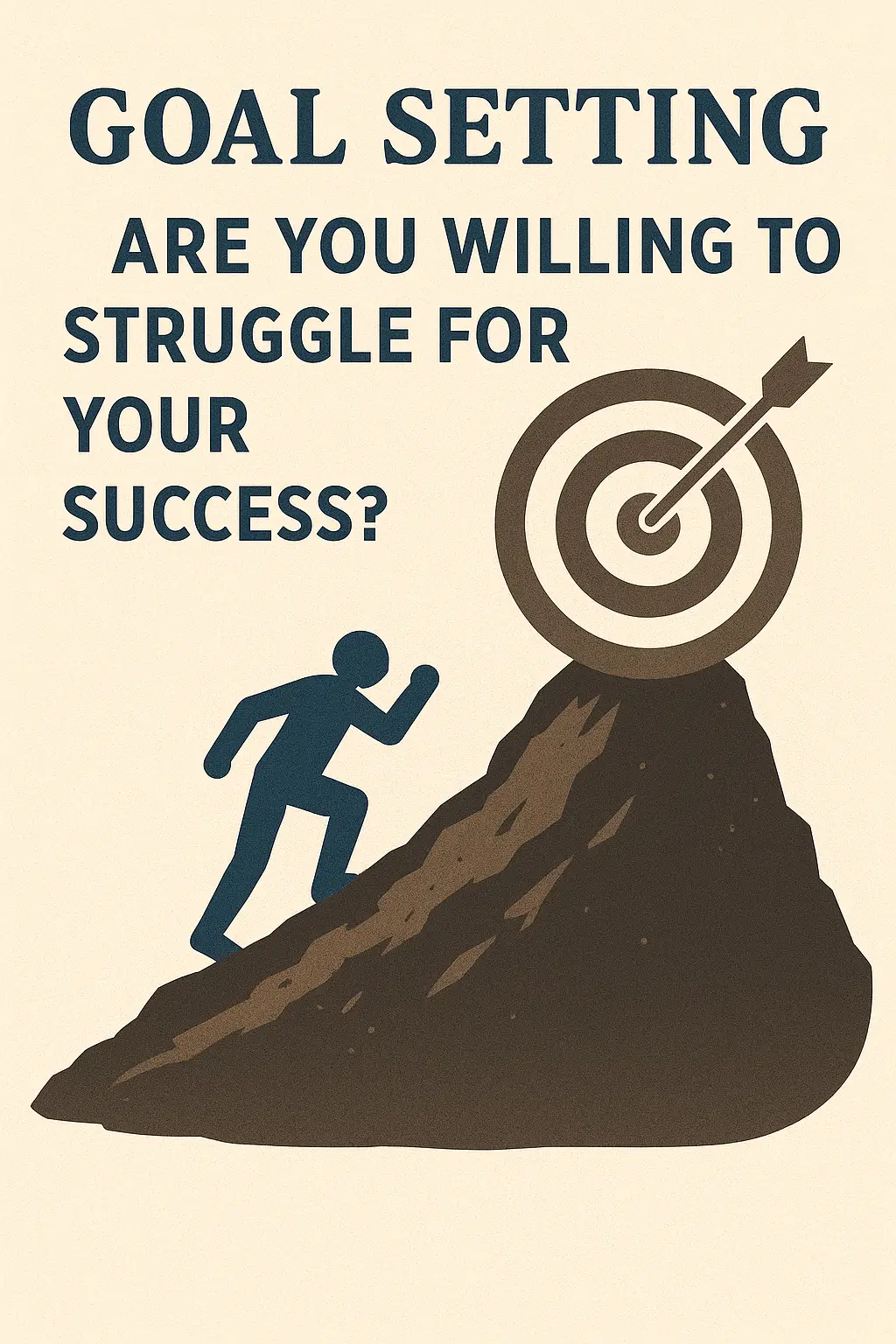
Goal Setting Are You Willing to Struggle for Your Success?

holistic fitness goal setting

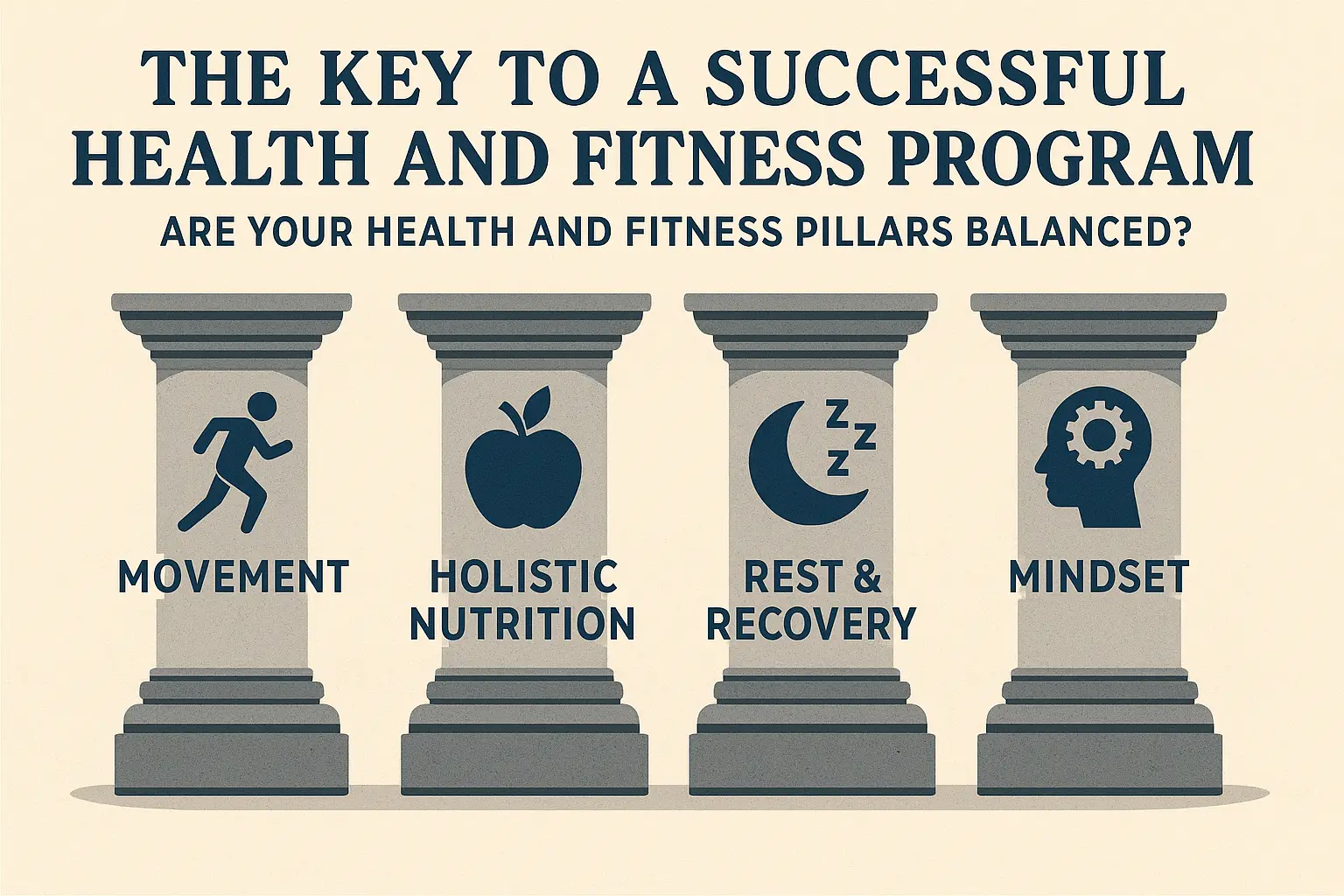
Great goal setting doesn’t start with analytics or quick fixes. At SolCore Fitness, it’s built around four pillars: nutrition & water, sleep & rest, proper movement, and true goal setting—your joy, happiness, and what you want from life.

Why Holistic Goal Setting Matters

A truly effective goal must be aligned with your deeper values and desires—not just numbers. Scientific frameworks like SMART (Specific, Measurable, Achievable, Relevant, Time-bound) work best when combined with personal meaning and holistic intention. Make your goals support every aspect of life: career, family, health, fitness, and happiness.

  • Start with big vision: What feels right for you? What does “success” look, feel, and act like in your own life?
  • Avoid only numbers: Satisfaction comes not just from weight, money, or membership totals, but from living authentically and responding to what truly matters to you.
  • Let your goals evolve: The right goal isn’t obvious right away. Try, think, feel, and let them purify with time. What feels ego-driven at first may shift toward meaning and purpose.

The Science of Struggle and Success

Research shows that specific but meaningful, challenging goals lead to better results and behavior change. Goals must fuel your willingness to endure struggle, setbacks, and tough days—they are what get you through the “low points” and help you adapt, grow, and flourish.

Ask yourself:

  • Is your goal big enough to motivate real change, even through the struggle?
  • Is the goal relevant to every area of your life, or just a short-term pleasure?
  • Are you willing to fight for long-term transformation, or do you need to reevaluate?

How to Start

  • Write down your big “why,” what matters, and let it evolve over time—not overnight.
  • Look for joy and meaning, not just achievement. Connect physical goals to personal and social well-being.
  • If you ever need support, reach out—community, coaching, and resources are keys to sustaining growth.

Explore holistic fitness, transformation, and category-wide goal setting:
The Ultimate Guide For A Holistic Exercise and Fitness Program

Find out more @

Facebook

LinkedIn

Pinterest

Instagram

Youtube

Bluesky

Why Strengthening Your Pelvis Is A Really Good Idea

pelvic floor strength health

Imagine your house with a weak, shaky foundation—every room and floor begins to sag and fail. In your body, the pelvic floor is that vital foundation, supporting everything above it. Ignore it, and you invite widespread imbalance and dysfunction.

Pelvic Floor—Your Body’s Hidden Powerhouse

The pelvic floor is a hammock-like group of muscles and ligaments stretching from the pubic bone to the tailbone. Its job is to:

  • Support and stabilize crucial organs—bladder, bowel, uterus or prostate, and rectum.
  • Control continence—preventing accidental leaks of urine or feces, especially with coughing, sneezing, or jumping.
  • Maintain healthy sexual function
  • Stabilize the pelvis and spine, integrating with your abs, glutes, diaphragm, and other deep core muscles.

When the pelvic floor is weak, prolapse, pain, and dysfunction can occur—organs shift, muscles don’t move right, and serious issues like bladder infections, prolapse, or incontinence can arise.

Why Training Your Pelvic Floor Matters (For Everyone!)

  • Women: Pregnancy, childbirth, and hormonal changes impact the pelvic floor. Training these muscles can ease birth, speed recovery, prevent incontinence, and improve sexual health.
  • Men: Prostate health, continence, erectile function, and core stability all depend on pelvic floor health.
  • Strengthens the “foundation” for better movement, posture, and injury prevention in sports, daily life, and aging.

Beyond Kegels—A Holistic Approach

Kegel exercises (contracting and releasing the pelvic floor) build awareness and basic strength, but true pelvic health requires a more holistic approach:

  • Integrate other muscle groups: obturator internus, piriformis, adductors, glutes, abs, psoas, and diaphragm work with the pelvic floor and must be trained in harmony.
  • Stretching and balancing: Proper tension and flexibility ensure each link is doing its job, preventing overload or weakness.
  • Learn to isolate and coordinate the pelvic floor—sequencing contractions, learning independence, and building synergy with related muscles.

Complexity Made Simple

Yes, pelvic floor health is complex! But don’t let complexity keep you from starting. Begin with Kegels, build body awareness, and expand training as you learn.

  • Start small, then work up to more advanced, whole-core movements.
  • The key: Your pelvic floor should act as a “floor,” not open like a “door.”

Read the science and get your personalized pelvic health plan:
OMT: Osteopathic Manual Therapy

Find out more @

Facebook

LinkedIn

Pinterest

Instagram

Youtube

Bluesky

Make Sure You Put These Three Items In Your Workout Program Before Starting


Good morning, everybody. It’s Ekemba from SolCore Fitness. I’m here to talk to you about starting your fitness goals for the new year and setting yourself up for sustainable success. What are three things a truly effective program needs?

  • Goals
  • Consistency
  • Compassion

Why these three?

  • Goal setting: If you don’t have clear goals, you won’t know what you’re working toward. Random acts of movement or activity won’t move you closer to a purpose. Specific, meaningful goals help you focus, adapt, and actually achieve what matters.
  • Consistency: It’s like any goal in life; results come from regular action. Consistent workouts, sleep, hydration, and nutrition routines—not occasional efforts—build lasting change.
  • Compassion: Growth and improvement challenge you. With those challenges come frustration and doubt. Show compassion for yourself along the way—accept setbacks, stay positive, and recognize that the journey is as valuable as the destination.

Of course, all of this is only possible with a balanced workout program. You need a program designed to holistically balance your body from the inside out, supporting all your goals and keeping you safe as you grow strong.

Explore the most up-to-date resource for personalized, science-based programs:
Personalized Workout Program

If you’re ready to build a truly balanced, sustainable fitness plan, call us at 505-577-2171 or email us at info@solcorefitness.com.

Find out more @

Facebook

LinkedIn

Pinterest

Instagram

Youtube

Bluesky

Get in Shape to Run, Don’t Run to Get in Shape

running preparation injury prevention

Hey, it’s Ekemba from SolCore Fitness again, answering one of the top fitness questions—should you just start running to get in shape? Absolutely not. You want to build a strong, balanced foundation before you go pounding the pavement.

Why Preparation Matters

Let’s start by looking at simple walking. For someone weighing 100 lbs who does 10,000 steps per day—that’s about five tons of cumulative load on the hips and joints. When you run, that force multiplies, sometimes reaching three times your body weight with every stride. Desk jobs, sedentary habits, and old injuries leave most bodies imbalanced—hips, abs, posture, and muscle chains are weak or tight.

Jumping into running, hiking, or even fast walking on an unprepared body is like loading the tilted Golden Gate Bridge with cars. Sooner or later, the structure fails. That’s how people end up with worn cartilage, chronic pain, or joint limitations years down the line.

Science: Running vs. Walking—Impact and Benefits

  • Running: Builds muscle, boosts cardiovascular fitness, accelerates calorie burn, and supports bone density—but only if joints and connective tissue are ready for those repeated high-impact forces.
  • Walking: Lower impact, easier on the joints, and far more sustainable for beginners or those with chronic pain. Both deliver excellent health benefits, but walking puts less stress on your frame.

Whether you walk or run, preparation and balance are everything.

How to Prepare Your Body

The solution is simple: get in shape to run, don’t run to get in shape. Before hitting the trail:

  • Practice myofascial stretching to lengthen and balance muscle chains.
  • Integrate segmental strengthening to stabilize small, critical muscles holding posture and limbs in place.
  • Use corrective movement techniques like ELDOA to open joint spaces and restore healthy alignment before high-impact exercise.

These methods prepare your body for loading, keep every joint moving well, and dramatically reduce your risk for overuse injuries, pain, and joint breakdown.

Explore balanced, science-backed movement and injury prevention here:
Global Strengthening (GS): The 7 Primal Movements Exercises

Find out more @

Facebook

LinkedIn

Pinterest

Instagram

Youtube

Bluesky


Why You Should Stop Foam Rolling For Your Fascia

foam rolling fascia risks

Foam rolling is widely used to “loosen” muscles and relieve tension—but evidence now shows it may actually damage your fascia, the tissue connecting every part of your body.

The Science: How Foam Rolling Impacts Fascia

Fascia is a sensitive, dynamic system that absorbs shock, communicates feedback, maintains posture, and coordinates movement. Forceful rolling—especially with dense foam or PVC—can create microtrauma:

  • These tiny tears trigger local inflammation and tissue stress, not true repair. Your body thinks it has a minor injury and launches an inflammatory response.
  • Persistent foam rolling leads to more soreness and dysfunctional compensation—not better movement.

While foam rolling gives short-term flexibility gains, research shows they fade in minutes. The tissue rapidly returns to its baseline state, meaning it does not create lasting change or correct faulty movement patterns.

  • In at-risk populations (osteoporosis, diabetes), foam rolling can even cause fractures or complications due to excessive load.

Why “Feeling Good” Isn’t Always Healing

Many use foam rolling because it feels good, especially after tough workouts. But relief doesn’t mean restoration—rolling compresses rather than slides or aligns fascia, masking bigger movement dysfunctions and possibly worsening nerve or tissue health in the long run.

Safer, More Effective Alternatives

  • Myofascial stretching: Specific stretches lengthen and hydrate fascia, opening chains, and restoring true body balance.
  • ELDOA: Targeted postural stretches decompress joints, improve tissue health, and create long-lasting mobility.
  • Manual therapy (“pumping”): Trained therapists gently slide fascial layers, restoring gliding and communication—rather than just compressing.

These approaches build true resilience, pain relief, and healthy function for your whole system.

Learn more about safe, restorative techniques for fascia health:
Myofascial Stretching: The Best Total Body Active Stretches

Find out more @

Facebook

LinkedIn

Pinterest

Instagram

Youtube

Bluesky

How Fad Diets Measure Up

fad diets holistic nutrition comparison

When starting a health journey, the lure of the latest fad diet is everywhere. “Lose 10 pounds in two weeks!” “Detox, cleanse, transform!”—but as science and long-term results show, fad diets are rarely sustainable and can leave big holes in your nutrition and health.

WEIGHT MANAGEMENT

Fad diets promise quick results but almost always rely on restrictive calorie deficits. Research shows that this leads to rapid weight regain (“yo-yo dieting”), cravings, and metabolic slowdown once the diet ends.

  • Holistic nutrition, especially metabolic type eating, emphasizes balance and food compatibility, persistent results, and a foundational approach that eliminates yo-yoing and deprivation.

Winner: Metabolic diet. Adaptable, science-based eating is sustainable, not just a quick bandage.

METABOLISM

Short-term fad results almost always come from water loss or severe restriction, not metabolic improvement. Chronic dieting can even slow your resting metabolism, making it harder to keep weight off over time.

  • Eating for your metabolic type actually supports a healthy metabolism, allowing for meals that keep you full, energized, and burning calories even at rest.

Winner: Metabolic diet. Supports faster, more efficient metabolism for lasting results.

ENERGY

Lack of carbohydrates, healthy fats, and micronutrients—a hallmark of most fad diets—causes fatigue, irritability, and increased stress and fat storage. Long-term balanced eating personalized to your metabolism increases physical and mental stamina, resilience, and supports better sleep and recovery.

Winner: Metabolic diet. Customizing to your genetic and lifestyle profile maximizes energy and stability.

MUSCLE

Restrictive diets cannot support muscle building or high performance—they lack the protein, nutrients, and calorie balance required for tissue repair, respiration, and strength.

  • Eating for your metabolic type provides steady fuel, optimizes strength-building, and protects against loss of lean body mass.

Winner: Metabolic diet. Smart nutrition is essential for real muscle growth and fat-burning capacity.

The Verdict

Fad diets are built on hype, testimonials, and quick fixes. Science shows that balanced, individualized eating plans are healthier, more effective, and far more sustainable.

  • With a metabolic type approach, you avoid deprivation and burnout, improve your relationship with food, and get results that last a lifetime.

Learn more about sustainable nutrition and metabolic coaching:
Holistic Nutrition & Healthy Weight Program

Find out more @

Facebook

LinkedIn

Pinterest

Instagram

Youtube

Bluesky

The Amazing Benefits of Keeping Fit for People in Santa Fe!

Regular exercise is much more than burning calories. Fitness improves the way your body and mind feel at any age—and research shows it’s even more essential than just losing weight. Check out eight trusted benefits:

Eight Trusted Benefits

  • Healthy Heart: Exercise strengthens your heart, improves circulation, and lowers your risk of heart disease.
  • Stronger Muscles and Bones: Workouts build muscle, increase bone density, and prevent injuries—especially for older adults.
  • Fat Burn and Calorie Boost: Fitness increases metabolism, helping your body burn calories even when you’re resting.
  • Lower Stress: Movement triggers endorphins, relaxes your mind, and helps you shake off anxiety after a tough day.
  • Better Sleep: Exercise helps you sleep deeper and recover faster—so you feel refreshed.
  • Improved Focus: Workouts boost brain circulation, helping you think faster and stay clear-headed.
  • Lower Blood Pressure: A fit heart pumps blood more efficiently, which naturally lowers blood pressure.
  • Better Posture: Regular fitness keeps your spine healthy and your posture strong, keeping back pain away.

Fitness for Every Age and Level

Anyone can practice fitness. Whether it’s flexibility, strength, or movement, there’s a program for every age and every body. Consistency brings long-term benefits—inside and out!

Explore group exercise classes and holistic programs in Santa Fe:
Group Exercise Classes

Find out more @

Facebook

LinkedIn

Pinterest

Instagram

Youtube

Bluesky

Superfoods Which Are the Most Super, Santa Fe?

best superfoods nutrition Santa Fe

Every magazine talks about “superfoods”—but what’s the science, and which superfoods really help? Superfoods are foods packed with essential vitamins and minerals, and some truly live up to the hype. Here are nine proven picks you should include in your diet:

The Shortlist of Super Superfoods

  • Acai: High in antioxidants for cancer and heart disease prevention. Juice, powder, or frozen—great in yogurt and smoothies.
  • Goji Berries: Packed with Vitamin C and used for immune, circulation, and vision support.
  • Kefir: Creamy and probiotic-rich to boost digestion and immunity.
  • Hemp Seeds: Loaded with protein, key amino acids, fatty acids, magnesium, and potassium.
  • Chia Seeds: High in protein, fiber, calcium, and omega-3s—easy in smoothies or oatmeal.
  • Turmeric: Anti-inflammatory and brain-boosting. Extracts offer higher curcuminoid benefits.
  • Cacao Powder: Flavonoid-rich for heart and brain health. Choose minimally processed (not alkalized).
  • Maca Powder: From Peru, adds vitamins B, C, and E; good for energy.
  • Black Garlic: Twice the antioxidants and antimicrobial properties of regular garlic.

Bonus: Next-Level Supplements

Whey Protein

Whey provides a powerhouse of bioavailable amino acids—critical for muscle repair, immunity, and metabolic health. Choose grass-fed, concentrate forms with minimal fillers for the best results.

Colostrum

Nature’s “mother’s milk,” colostrum enhances immune function, GI integrity, and recovery. Find grass-fed options with bioavailability for best absorption.

Amino Acids (EAAs)

While BCAAs (branched-chain amino acids) offer fast-acting energy and delay muscle fatigue, a supplement with all essential amino acids (EAAs) is superior for muscle recovery, growth, and overall tissue health.

  • EAAs provide all nine building blocks for muscle protein synthesis, not just the three in BCAA formulas.
  • EAAs also support mood, immunity, and metabolism—ideal for recovery after workouts, tissue repair, and maintaining strength over time.

Summary Table:

SupplementKey RoleWhy It Matters
Whey ProteinProtein source, immunity, recoveryAll-around replenishment
ColostrumImmune and gut healthFaster healing, anti-inflammatory
EAAsMuscle growth, energy, full recoveryComplete tissue repair, better than BCAAs

BCAAs can help prevent muscle breakdown and delay fatigue, but for true recovery and muscle building, EAAs (which include BCAAs as well as six other essentials) are more effective and comprehensive.

The Payoff

Some superfoods are just “superfakers,” but these nine foods and three supplements can dramatically boost your health, energy, and recovery—especially when personalized for your metabolic needs.

Explore more nutrition, supplement, and holistic health resources for Santa Fe:
Holistic Nutrition & Healthy Weight Program

Find out more @

Facebook

LinkedIn

Pinterest

Instagram

Youtube

Bluesky

Hey Santa Fe, Here Is How Exercise Can Affect Your Sleep

exercise sleep recovery Santa Fe

How Exercise and Sleep Are Connected

Sleep is one of the most critical—but often overlooked—pillars of lasting health. How, when, and how much you move during the day can shape the quality and length of your sleep for better or worse.

The Science Behind Exercise’s Effect On Sleep

Moderate Activity Equals Better Sleep

  • Consistent, moderate-intensity exercise is proven to help people fall asleep faster, enjoy deeper slow-wave sleep, and reduce wakefulness and insomnia symptoms.
  • Even just 30 minutes most days can improve sleep quality and duration, supporting healthy aging, better recovery, immune function, and sharper cognition.
  • Moderate activities (walking, cycling, swimming, resistance training) can balance stress and boost mood, helping regulate melatonin, serotonin, and decrease sleep latency.

When Exercise Hurts Sleep—Overtraining & Timing

  • Studies in athletes and active adults show that high-intensity exercise, especially when done late in the day, can trigger a spike in stress hormones (adrenaline and cortisol) that disrupt sleep.
  • Exercise-induced insomnia may mean spending more time in bed without restful sleep, frequent waking, and difficulty falling or staying asleep, especially after vigorous training.
  • Poor recovery can be linked to endurance supplements with caffeine; caffeine and stress can keep cortisol levels high for hours after training, further impairing the ability to relax and sleep.

How To Optimize Sleep and Recovery in Santa Fe

Balance Exercise and Rest

  • Aim for moderate activity (30–45 minutes) most days, earlier in the day.
  • Avoid intensive evening workouts; late-night high-intensity exercise delays melatonin release and keeps you alert longer.
  • Support recovery with clean, protein-rich nutrition, hydration, and low sugar intake.
  • Use relaxation, mindfulness, or breathwork routines to help transition into sleep, especially on tough training days.
  • Take rest days or reduce intensity if sleep disruptions or increased nighttime waking occur.

Nutrition, Supplements, and Recovery Tools

Diet matters too—choose clean meals focused on protein and iron, avoid caffeine and stimulants late in the day. One cup of coffee can raise cortisol for several hours. Always listen to your body and adapt your program if sleep quality declines.

Bottom Line—Exercise for Better Sleep in Santa Fe

Exercise is vital for good sleep and overall health, but overtraining, late caffeine, and poor recovery routines are common pitfalls. Santa Fe’s active residents can enjoy high energy and restorative sleep by following science-backed habits and listening to their bodies for true wellness.

Explore healthy lifestyle, training, and recovery resources:
Healthy Living and Mind-Body Balance

Find out more @

Facebook

LinkedIn

Pinterest

Instagram

Youtube

Bluesky

Personal Training Success Story Santa Fe Rosanna Dill

kyphosis posture correction success story Santa Fe

Real Results with SolCore Fitness Rosanna Dill’s Story

There’s a running joke in the midday group exercise class at SolCore Fitness: around 12:32, Rosanna comes screeching in with her workout gear and high heels, grins, and says, “Great, let’s do it!”—no matter the activity. But Rosanna’s story is much more than cheerful energy; it’s about commitment to fixing her upper back and overcoming thoracic kyphosis.

Facing Kyphosis Why Rosanna Started

Rosanna has always problem-solved her way through life—whether as her family’s “handyman” or with at-home workouts. Yet, her own program didn’t touch her real issue: increasing rounding in her upper back, a classic thoracic kyphosis that 90% of adults develop.

Rosanna’s Turning Point

Her main goal became not to be the “hunched back little old woman.” After seeing SolCore Fitness on Facebook, she decided to “stop being a cheap bastard,” and join a group class for expert help. She wanted a targeted solution, and she committed fully to every class and piece of homework.

How SolCore’s Program Changed Everything

Results After Dedicated Effort

  • “I have so much more awareness in my body. There’s more freedom in movement, and my tight upper back is slowly going away.”
  • The varied and integrated exercises—especially back extensor routines, targeted wall stretches, and upper back strength circuits—slowly, steadily improved her posture and mobility.
  • Rosanna worked her tail off, doing the assigned drills and extras, learning the value of consistency for long-term improvement.

Favorite Exercises and Challenges

  • “I like all the exercises—how they work together for whole-body progress. The wall stretch even helps me sleep!”
  • Her ongoing challenge: continuing to open up her upper back, addressing old postural imbalances and preventing new ones.

Advice for Members and Newcomers

  • “Take your time. It’s a process to get results—three months is too soon, and six weeks isn’t enough. Stick with it because it’s totally worth it.”
  • For anyone on the fence: “This program is a subtle yet effective practice that realigns your body.”

The Science Behind Kyphosis Correction

Correcting thoracic kyphosis requires a mix of posture training, muscle strengthening (especially back extensors and core), and strategic stretching of the chest and neck. Studies show group classes and personalized routines—like those at SolCore—improve alignment and long-term mobility, decrease rounding, and support healthy aging.

See more client success, posture correction science, and exercise tips:
Success Stories: Real People, Real Results

Find out more @

Facebook

LinkedIn

Pinterest

Instagram

Youtube

Bluesky