Longevity

Hey Santa Fe, Here Is How Exercise Can Affect Your Sleep

exercise sleep recovery Santa Fe

How Exercise and Sleep Are Connected

Sleep is one of the most critical—but often overlooked—pillars of lasting health. How, when, and how much you move during the day can shape the quality and length of your sleep for better or worse.

The Science Behind Exercise’s Effect On Sleep

Moderate Activity Equals Better Sleep

  • Consistent, moderate-intensity exercise is proven to help people fall asleep faster, enjoy deeper slow-wave sleep, and reduce wakefulness and insomnia symptoms.
  • Even just 30 minutes most days can improve sleep quality and duration, supporting healthy aging, better recovery, immune function, and sharper cognition.
  • Moderate activities (walking, cycling, swimming, resistance training) can balance stress and boost mood, helping regulate melatonin, serotonin, and decrease sleep latency.

When Exercise Hurts Sleep—Overtraining & Timing

  • Studies in athletes and active adults show that high-intensity exercise, especially when done late in the day, can trigger a spike in stress hormones (adrenaline and cortisol) that disrupt sleep.
  • Exercise-induced insomnia may mean spending more time in bed without restful sleep, frequent waking, and difficulty falling or staying asleep, especially after vigorous training.
  • Poor recovery can be linked to endurance supplements with caffeine; caffeine and stress can keep cortisol levels high for hours after training, further impairing the ability to relax and sleep.

How To Optimize Sleep and Recovery in Santa Fe

Balance Exercise and Rest

  • Aim for moderate activity (30–45 minutes) most days, earlier in the day.
  • Avoid intensive evening workouts; late-night high-intensity exercise delays melatonin release and keeps you alert longer.
  • Support recovery with clean, protein-rich nutrition, hydration, and low sugar intake.
  • Use relaxation, mindfulness, or breathwork routines to help transition into sleep, especially on tough training days.
  • Take rest days or reduce intensity if sleep disruptions or increased nighttime waking occur.

Nutrition, Supplements, and Recovery Tools

Diet matters too—choose clean meals focused on protein and iron, avoid caffeine and stimulants late in the day. One cup of coffee can raise cortisol for several hours. Always listen to your body and adapt your program if sleep quality declines.

Bottom Line—Exercise for Better Sleep in Santa Fe

Exercise is vital for good sleep and overall health, but overtraining, late caffeine, and poor recovery routines are common pitfalls. Santa Fe’s active residents can enjoy high energy and restorative sleep by following science-backed habits and listening to their bodies for true wellness.

Explore healthy lifestyle, training, and recovery resources:
Healthy Living and Mind-Body Balance

Find out more @

Facebook

LinkedIn

Pinterest

Instagram

Youtube

Bluesky

Personal Training Success Story Santa Fe Rosanna Dill

kyphosis posture correction success story Santa Fe

Real Results with SolCore Fitness Rosanna Dill’s Story

There’s a running joke in the midday group exercise class at SolCore Fitness: around 12:32, Rosanna comes screeching in with her workout gear and high heels, grins, and says, “Great, let’s do it!”—no matter the activity. But Rosanna’s story is much more than cheerful energy; it’s about commitment to fixing her upper back and overcoming thoracic kyphosis.

Facing Kyphosis Why Rosanna Started

Rosanna has always problem-solved her way through life—whether as her family’s “handyman” or with at-home workouts. Yet, her own program didn’t touch her real issue: increasing rounding in her upper back, a classic thoracic kyphosis that 90% of adults develop.

Rosanna’s Turning Point

Her main goal became not to be the “hunched back little old woman.” After seeing SolCore Fitness on Facebook, she decided to “stop being a cheap bastard,” and join a group class for expert help. She wanted a targeted solution, and she committed fully to every class and piece of homework.

How SolCore’s Program Changed Everything

Results After Dedicated Effort

  • “I have so much more awareness in my body. There’s more freedom in movement, and my tight upper back is slowly going away.”
  • The varied and integrated exercises—especially back extensor routines, targeted wall stretches, and upper back strength circuits—slowly, steadily improved her posture and mobility.
  • Rosanna worked her tail off, doing the assigned drills and extras, learning the value of consistency for long-term improvement.

Favorite Exercises and Challenges

  • “I like all the exercises—how they work together for whole-body progress. The wall stretch even helps me sleep!”
  • Her ongoing challenge: continuing to open up her upper back, addressing old postural imbalances and preventing new ones.

Advice for Members and Newcomers

  • “Take your time. It’s a process to get results—three months is too soon, and six weeks isn’t enough. Stick with it because it’s totally worth it.”
  • For anyone on the fence: “This program is a subtle yet effective practice that realigns your body.”

The Science Behind Kyphosis Correction

Correcting thoracic kyphosis requires a mix of posture training, muscle strengthening (especially back extensors and core), and strategic stretching of the chest and neck. Studies show group classes and personalized routines—like those at SolCore—improve alignment and long-term mobility, decrease rounding, and support healthy aging.

See more client success, posture correction science, and exercise tips:
Success Stories: Real People, Real Results

Find out more @

Facebook

LinkedIn

Pinterest

Instagram

Youtube

Bluesky

Hey Santa Fe, Bet You Didn’t Know This About Splenda®

splenda sucralose health risks Santa Fe

Splenda, Sucralose, and Unexpected Health Risks

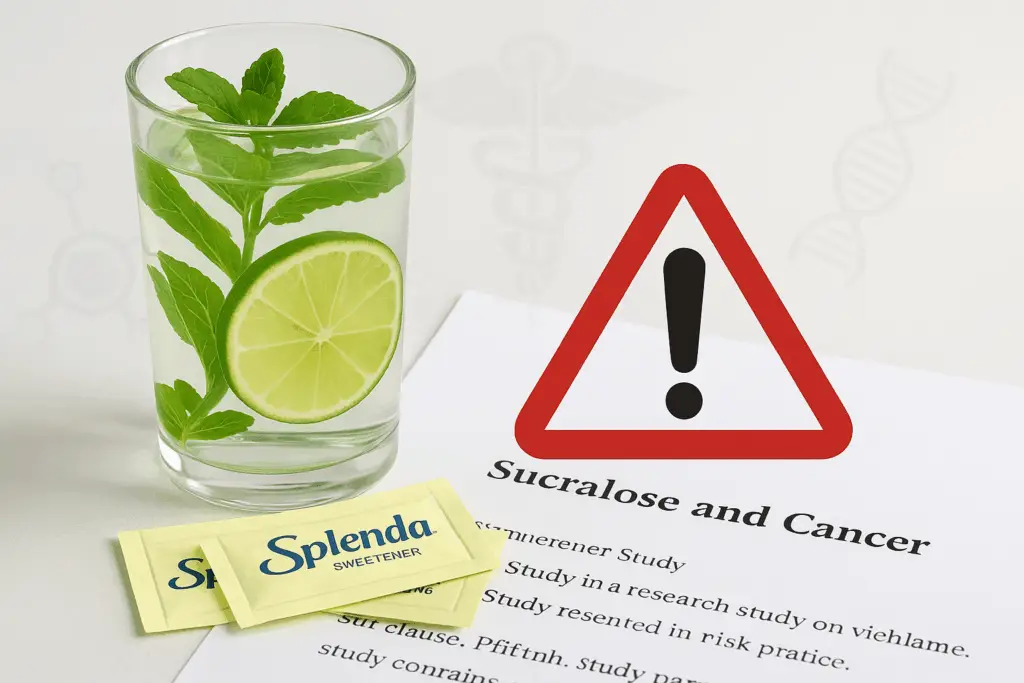
Splenda® (sucralose) has been marketed as a calorie-free sweetener for weight loss and diabetes management. However, recent studies show that drinking even a minimal amount of sucralose affects the body in unexpected and unhealthy ways.

Research Reveals a Hidden Danger

Surprising Effects on Insulin and Blood Sugar

A study from Diabetes Care found obese participants who drank sucralose before a standard glucose challenge saw insulin levels rise about 20% more—resulting in blood sugar responses similar to consuming real sugar. Scientists warn that chronic, excessive insulin secretion can contribute to insulin resistance and raise the risk for type 2 diabetes.

More Than Calories—Metabolic and Heart Risks

It’s not just about calories. Reviews in medical journals show artificial sweeteners, including sucralose, are associated with increased risk for metabolic syndrome, obesity, stroke, and heart disease—even when consumed in small amounts. A recent large study links long-term sucralose use with cognitive decline and vascular issues. The World Health Organization now warns that regular use of artificial sweeteners does not help lower body fat and may raise risk of diabetes and cardiovascular disease.

Healthier Alternatives for Santa Fe Residents

Smart Ways to Add Flavor and Protect Health

  • Stevia and Xylitol: Both are natural, zero-calorie alternatives shown to be safe for most people.
  • Unsweetened Tea: Green, black, and herbal teas are rich in antioxidants, support metabolism, and can help maintain a healthy weight.
  • Mint and Lime Water: Add fresh mint and lime to water with a touch of stevia for hydration and flavor.
  • Avoid sugary beverages and artificial sweeteners for lasting metabolic health.

Takeaway—Santa Fe’s Guide to Sweetener Choices

Splenda’s® “dirty little secret” is that it’s not a harmless calorie-free fix. Research shows it can raise insulin, increase diabetes risk, and trigger cardiovascular problems. Opt for water, unsweetened tea, or natural sweeteners for better health and lasting weight management.

Learn the truth about artificial sweeteners and holistic nutrition:
Holistic Nutrition & Healthy Weight Program

Find out more @

Facebook

LinkedIn

Pinterest

Instagram

Youtube

Bluesky

How To Silence That “Excuse” Voice and Stay Motivated In Your Fitness Routine

Santa Fe fitness motivation, positive mindset tips

Everyone Starts With Excitement—But Staying On Track Is The Real Challenge

Most people kick off a new exercise program in Santa Fe with strong intentions—new gear, a fresh schedule, and high expectations. But it doesn’t take long for that sneaky, negative voice to show up: “You can skip today,” “One treat won’t matter,” or “Sleep in, you’ll work out later.” It’s the queen of rationalization, popping up just when you least need her.

Why That Voice Appears—and How To Beat Her

The best strategy? Get super clear about your goals and more importantly, why you deserve to reach them. Ask yourself: Why now? What changes when you succeed? Having a Big WHY makes it much easier to override excuses when the days get busy or emotions run high.

It’s also realistic to expect that voice after tough days or long stretches. Rather than fighting it, start every morning with a simple affirmation about your direction. “What will I do today for my health?” Keep your WHY front and center as you move through daily routines. Journaling really helps, too—recap wins and set intentions for tomorrow so progress stays visible.

Small Steps Create Big Success

Lasting change is built through small actions repeated daily. Focus on what you can do today, not just the distant goal. That negative voice will try to minimize daily decisions, but you know better—every step counts. If you slip up, just get back on track and continue building the momentum.

Consistency Strengthens Motivation

Eventually, as your routine becomes more solid and those excuses lose power, you’ll find the nagging voice pops up less often. True results aren’t about perfection—they’re about sticking with small moves and showing up for yourself, day after day.

For added support, check out SolCore Fitness personal training and manual therapy—where group encouragement and expert guidance help keep positive habits alive:
https://www.solcorefitness.com/personal-training-and-manual-therapy/

Find out more @

Facebook

LinkedIn

Pinterest

Instagram

Youtube

Bluesky

How to Choose Healthy Foods in Santa Fe

Santa Fe real food guide, healthy eating, local produce

Healthy Eating in Santa Fe—Confused Yet?

Does “healthy food” ever feel like a moving target? In Santa Fe (and everywhere else!), it’s tough to keep up. Some people say one thing, then a new study drops, and the story changes again. Add in endless marketing, a dash of supermarket “health” trends, and it’s no wonder so many are left scratching their heads by the produce aisle. The truth? What’s healthy for one person isn’t set in stone for everyone else. Food affects each body differently, especially depending on unique health issues, allergies, and lifestyle goals.

Tune In—Start With What Your Body Actually Wants

If the experts can’t agree, how are any of us supposed to nail this down? The best place to start is by listening to your own body. Maybe that means figuring out your metabolic type, or just noticing when a certain food leaves you sluggish or foggy—those are real clues, not just “in your head.” Embrace a little healthy skepticism! Even if an influencer swears by some new trend, question it, try things, and focus on what actually helps you feel and function better.

Real Food is Your (Tasty) Best Friend

Here’s where things do get simple: real food rarely has a complicated label. If your great-grandparents wouldn’t recognize it, that’s another clue it’s not the best foundation for health. In Santa Fe, that means loading up on produce from local farmers, appreciating food that tastes like food—not additives—and keeping shopping lists short and recognizable. Packaged “health” foods? Usually loaded with ingredients that belong in a science lab, not your kitchen.

But since people always ask, here’s what usually makes the cut:

  • Grass-fed and pasture-raised meats, eggs, dairy (local whenever possible!)
  • Organic fruits and veggies—especially in bright variety
  • Healthy fats like coconut oil, extra virgin olive oil, real butter from organic cream
  • And, yes, experimenting with what combinations work best for your own energy

Let’s also talk honesty. Everyone is busy, and habits are hard to shift. Don’t beat yourself up for not being a “perfect” eater; just aim for consistent, honest effort. If you splurge on dessert or snack at a party (you’re in Santa Fe, after all!), enjoy it—and get back to real food next meal.

Watch Out for Sneaky Ingredients

A can’t-miss tip? Steer clear of the usual suspects in processed foods: vegetable oils, trans fats, artificial flavors, and colorings. Soy can be tricky—what’s sold in the U.S. is not the traditional Asian variety, and it often comes with questionable additives and potential hormone effects. If a label reads like a chemistry quiz, pause before it goes in your cart.

Shopping With Heart

Choosing real food isn’t just better for you—it supports Santa Fe’s farmers and helps push back against big corporations who prioritize profits over nourishment. Eating well, thinking for yourself, and keeping things simple really does send healthier ripples into the world.

Curious how this approach gets personalized for your goals and health? Explore the SolCore Fitness Holistic Nutrition & Healthy Weight Program to see how one-on-one coaching and metabolic typing help you truly thrive:
https://www.solcorefitness.com/holistic-nutrition-weight-loss-program-santa-

Get more information @ 

Facebook

LinkedIn

Pinterest

Instagram

Youtube

Bluesky

What About Clean Water In Santa Fe?

Santa Fe hydration tips, water and spine health

Why Hydration Is a Big Deal in Santa Fe

Let’s face it—Santa Fe can feel seriously dry, especially with the high desert air and rising temperatures. That’s why staying hydrated needs to go way beyond the basic reminder to “drink more water.” When it comes to fitness and everyday health in this climate, water isn’t a suggestion—it’s a necessity for feeling good and moving well.

Water, Your Spine, and Pain—What’s the Connection?

Here’s something most people don’t realize: hydration isn’t just about quenching thirst or keeping skin happy. It actually plays a huge role in keeping the spine and back healthy. The discs between each vertebra are like tiny shock absorbers, with an inner core that’s mostly water. All day long, gravity squeezes out the water from these discs—and each night, if the body has enough fluids, the discs rehydrate as you sleep.

That’s one reason why people are a little taller in the morning than at bedtime! Without enough water available, the discs can’t fully rehydrate, which means less “cushion” for your spine, more day-to-day pain, and less freedom to move. Wait until you’re thirsty? You’re already dehydrated.

Movement, ELDOA, and Making Hydration a Habit

Movement keeps these discs hydrated, too. The more the spine moves, the more water the discs can absorb. ELDOA exercises not only reinforce the tissue around these discs but also help them stay elongated, meaning they lose less water during daily compression. But ELDOA is only effective if there’s enough water in your body to support all that good tissue work.

Three Simple Habits for Better Hydration

Staying on top of hydration doesn’t have to be complicated:

  1. Drink water first thing in the morning—before that coffee, tea, or breakfast
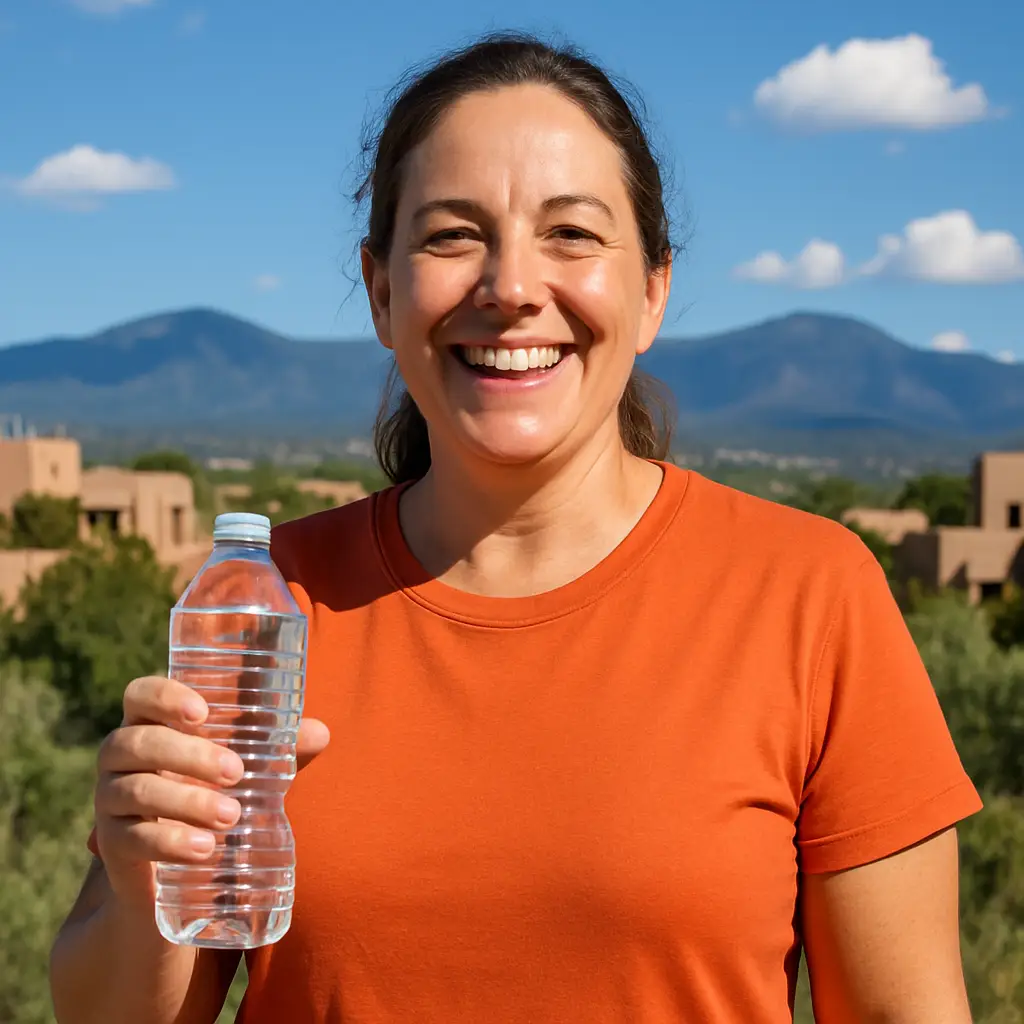
  2. Invest in a water bottle you like and keep it with you to help keep sipping all day
  3. Try two or three ELDOA stretches at night before bed to give your spine a head start on rehydration

So, how honest are you being with your hydration? Start small, stay consistent, and notice how much easier your body moves—and how much better your back feels—when you make water a daily priority.

Looking for expert guidance on how hydration, spine health, and fitness all connect in real life? Check out SolCore Fitness’ Personal Training and Manual Therapy to see how comprehensive coaching supports your well-being in Santa Fe:
https://www.solcorefitness.com/personal-training-and-manual-therapy/

Get more information @ 

Facebook

LinkedIn

Pinterest

Instagram

Youtube

Bluesky


What Not To Do for More Energy

Santa Fe healthy energy alternatives, avoid energy drinks

Tired? Ditch the Energy Drinks—Here’s Why

There’s a reason those colorful cans and tiny shots have become big business. But are energy drinks actually helping in the long run? Sure, you’ll get a quick rush, but the real story isn’t so simple—or so safe.

Energy drinks aren’t regulated like regular sodas, so companies can load them up with whatever they want. Let’s break down their three main ingredient groups:

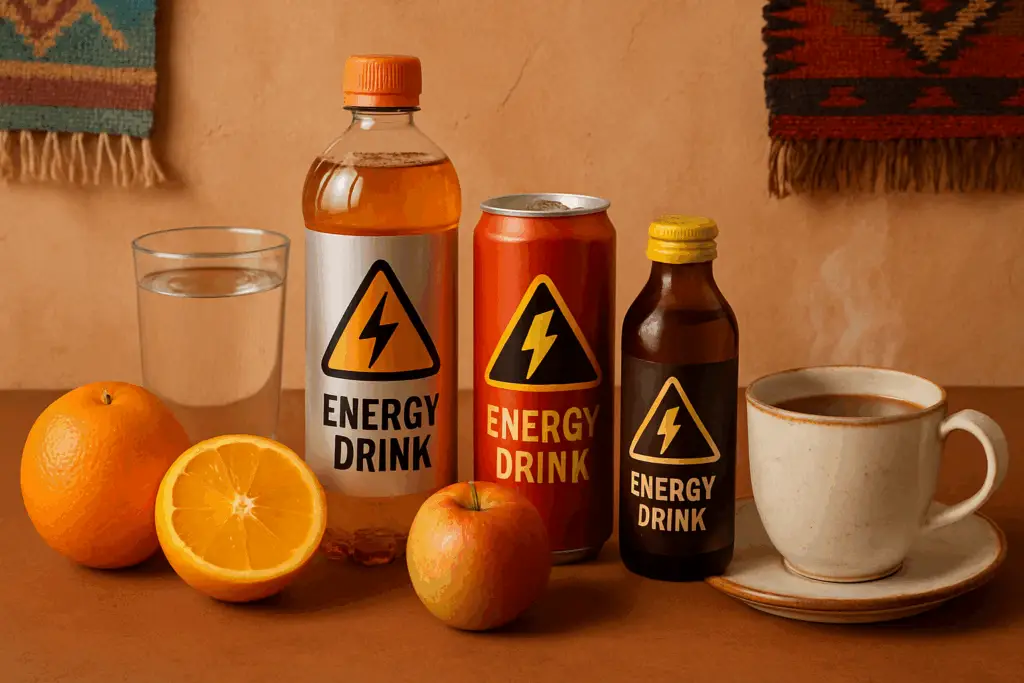
  • Caffeine: Some cans pack up to 500mg—a heart-racing load that can cause jitters, irritability, or even a 14-point bump in heart rate. With blood pressure or any heart concerns, steer clear.
  • B Vitamins: Overloaded with B’s? Unless you’re actually deficient, you won’t see a boost…and too much B3 (niacin) or B6 could cause side effects like blurry vision or nerve pain.
  • “Natural” Stimulants: Guarana (double the caffeine of coffee!) and under-dosed ginseng join the party, along with heaps of sugar—often over the recommended daily limit in a single drink.

Real Risks—And Smarter Solutions

The scattered “energy” you buy is rarely worth the risk. ER visits tied to energy drinks have skyrocketed; side effects can range from insomnia and headaches to agitation and seizures. Even healthy adults can face a crash, and no one should ever mix these drinks with alcohol or use them before/during/after exercise.

So what actually works for more energy? Start with the basics:

If you still need a boost, try simple, organic coffee or tea—nothing fancy, just the real thing. Energy drinks aren’t your friend, and they’re never worth the potential fallout.

If you’re ready to swap risky energy drinks for a sustainable, holistic plan, check out SolCore Fitness’ nutrition and lifestyle programs:
https://www.solcorefitness.com/holistic-nutrition-weight-loss-program-santa-fe/

Get more information @ 

Facebook

LinkedIn

Pinterest

Instagram

Youtube

Bluesky


Personal Training Success Story – John Bennett

Santa Fe older adult fitness recovery story post-surgery

Meet John Bennett—Tenacity, Curiosity, and a Comeback After Surgery

Some people set the bar for toughness—and John Bennett is one of them. From racing motorcycles to tackling five spinal surgeries and still living life at full speed, his story proves that grit alone isn’t enough for lasting health. It was pain—nagging and everywhere—that finally got John through the door at SolCore Fitness.

Unlike many, John chose curiosity over stubbornness. By trusting expert guidance and getting clear assessments, he moved from endless pain to real, measurable gains. The transformation? Remarkable: for the first time in years, he can touch his toes, breathe deeply, and get out of a chair pain-free. Flexibility, balance, and overall conditioning are better than ever—even after decades of “hard living.”

Q&A With John—Wisdom, Wins, and Hard-Earned Advice

Q: What made you decide to start?
“Pain! My back, legs, neck, hips… everywhere was hurting.”

Q: What did you do before?
“Always active—gym, weights, Stairmaster, PT, spinal surgery (five times!), but my body just felt broken.”

Q: What results are you most proud of?
“My overall conditioning is the best ever. Flexibility has improved—touching my toes is a big win. I can now get out of a chair without pain. And breathing, especially, is so much better.”

Q: Favorite and least favorite exercises?
“Wall squats and all the big muscle moves are my favorite. Ab roll-ups? Not so much!”

Q: Biggest goals or current challenges?
“Rolling up my abs is a work in progress!”

Q: What’s best about the program?
“The leadership and knowledge. Trusting expertise instead of guessing what my body needs.”

Q: Advice to other SolCore Fitness members?
“Do your homework!”

Q: What would you say to someone on the fence?
“Do it—this program genuinely helps. It’s made a world of difference for me.”

Ready for your own comeback—no matter your age or injury history? Discover how SolCore Fitness can help with pain, strength, and full-body confidence:
https://www.solcorefitness.com/personal-training-and-manual-therapy/

Get more information @ 

Facebook

LinkedIn

Pinterest

Instagram

Youtube

Bluesky


Exercise Helps Keep Your Body’s Rhythms In Check

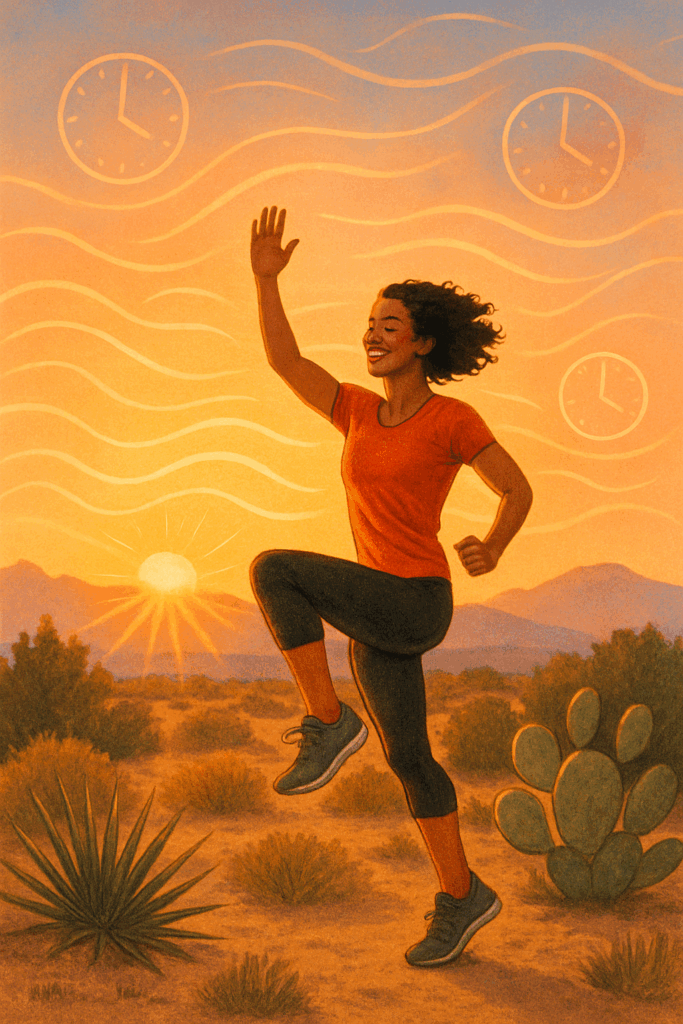
Santa Fe sunrise workout with circadian rhythm concept

Why Exercise Is More Than Physical—It’s Rhythmic

Exercise isn’t just about toned muscles or calorie burn—it’s a reset button for the body’s built-in rhythms. Beyond all the well-documented benefits (mood, weight, heart health, sleep, energy), research shows regular movement has a powerful link to our circadian rhythm—the 24-hour body clock that governs not just sleep and wake times, but hunger, energy, hormone levels, and even how we heal.

Sticking to a consistent exercise schedule acts as an “anchor,” keeping the body’s cycles more regular. Daily activity can help prevent the slow drift toward disrupted rhythms, which often shows up as trouble sleeping, afternoon crashes, brain fog, or even reduced immune health.

What the Science Says—“Body Memory,” Age, and Activity

A 2009 study led by Dr. Frank Scheer (Harvard Medical School) showed that movement patterns—even outside of exercise—are reinforced by regular activity. Young people who consistently exercised developed healthy, predictable cycles of movement and rest. Older individuals, or those who became sedentary, experienced more random, disrupted patterns.

When researchers removed the exercise “cue,” even young bodies lost their rhythm—but adding it back restored the pattern. The takeaway: exercise is one of the most powerful ways to create healthy cycles at any age.

When Should You Work Out?

Experts have long debated the best time of day to exercise—and the answer is both scientific and deeply personal. Some research shows afternoon workouts take advantage of peak body temperature, flexibility, and natural hormone surges (usually around 4-5pm), possibly improving performance and decreasing injury risk.

On the other hand, morning exercisers build a habit and often have greater consistency—since nothing can “pop up” to derail that sweat session. Plus, getting moving in the AM boosts calorie burn and mental clarity for the rest of the day.

The Smartest Move—Be Consistent and Listen to Your Body

There’s no one-size-fits-all answer: everyone’s circadian rhythm is unique. The real key is to prioritize movement most days, notice what time makes you feel best, and stick with a schedule that fits your lifestyle. Morning people, just take care with a gentle warm-up if you’re rolling out of bed to work out—muscles and connective tissue tend to be tight after sleep.

Bottom line: routine movement at your chosen time syncs your internal clocks, boosts mood and brain health, and contributes to long-lasting wellness. Try a few times, see what feels natural, and make exercise a rhythmic, enjoyable part of daily life.

Ready to align a sustainable routine with your body’s own rhythms and needs? SolCore Fitness makes “consistency” simple and results long-lasting:
https://www.solcorefitness.com/personal-training-and-manual-therapy/

Get more information @ 

Facebook

Blue Sky

Pinterest

Instagram

Youtube

Linikedin


How Exercise Is Also Brain Exercise How to Enlarge the Size of Your Brain

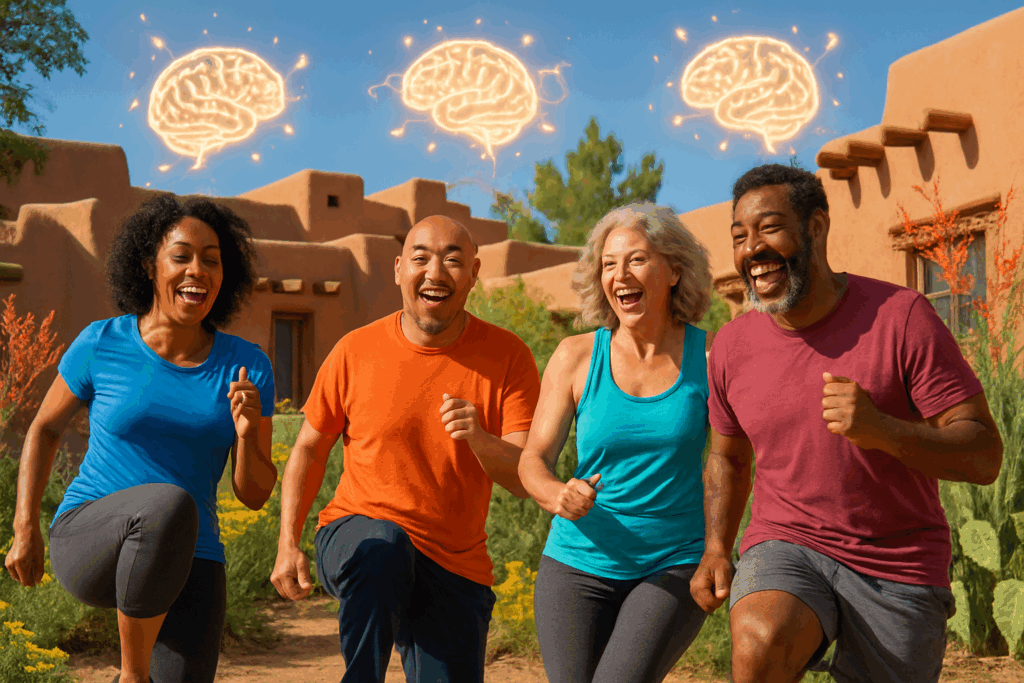
Exercise, brain health, and creativity boost visual

Exercise Is Brain Exercise—It’s More Than Muscles

Ever get the urge to break out of the “too much work, not enough play” routine? You’re not alone. Picture this: rafting the world’s deepest canyon in Peru, a group spans teens to 60+—and a woman in her late thirties realizes, mid-paddle, she’s the physically weakest in the group. That spark led her to a personal trainer, and over time something unexpected happened. Yes, she lost weight and got stronger. But her biggest gains? A brighter mood, better memory, and more focus. The puzzle: how does exercise change the brain?

From Rats in ‘Disneyland’ to Real-Life Results

Wendy Suzuki, a neural science professor, dove into research after her own exercise transformation. Classic animal studies, like Marian Diamond’s cherished rat experiment, show that stimulating, enriched environments—think play, space, activity—grow bigger, healthier brains than dull, unstimulating ones. The “secret sauce”? Movement. Rats with more toys and action had thicker cortices and more blood vessels—actual brain growth.

Creativity, Memory, and ‘Out of the Box’ Thinking—Thanks to Movement

Inspired by those findings, Suzuki reshaped her research (and published Healthy Brain, Happy Life) around exercise’s impact on human brains. She noticed improvements not just in her mood and memory, but creativity: easier brainstorming, new hobbies, adventurous collaborations. Science backs her up—a 2013 study in Frontiers in Human Neuroscience found regular exercisers score better on creativity tests than sedentary types, boosting both divergent and convergent thinking.

John Ratey’s influential book Spark takes it further, showing that exercise literally remodels your brain through neuroplasticity. The end result? More creative ideas, clearer focus, boosted resilience and mental edge—at every age.

Not Just for Athletes—Everyone Benefits

Whether you’re an artist, writer, entrepreneur, or just want to face each day sharper, consistent exercise isn’t just a body fix. It’s a brain upgrade. As Suzuki says: “Exercise can keep your brain healthy longer.” So the real win isn’t just fitting into your jeans—it’s boosting the most important muscle in your body: your brain.

See how a holistic exercise and fitness program benefits your whole being.

The Ultimate Guide For A Holistic Exercises And Fitness Program
https://www.solcorefitness.com/the-ultimate-guide-for-a-holistic-exercises-and-fitness-program/

Get more information @ 

Facebook

LinkedIn

Pinterest

Instagram

Youtube

Bluesky