

Mind-body connection

The Quiet Power of Acceptance: Recovery as the Foundation for Resilience

Woman in Acceptance in Recovery

When it comes to building a strong foundation for wellness, most of us donโ€™t immediately think about the power of acceptance in recovery. But understanding and embracing this vital skill is the key to sustainable healthโ€”a lesson that supports not just our bodies but our mindset as well.

Why Acceptance in Recovery Matters

We live in a world that values moreโ€”more steps, more reps, more improvementโ€”but less appreciation for necessary pauses. Acceptance in recovery isnโ€™t about settling; itโ€™s recognizing where you truly are, granting yourself permission to rest, and letting your body rebuild. This is where deep, lasting progress begins. Reminder that youโ€™re on the right pathโ€”reach out. Youโ€™re not alone.

How to Practice Acceptance for Better Results

Itโ€™s simple, but not always easy. Try these steps this week:

  1. Pause: Take a gentle breath and notice whatโ€™s happening inside your body.
  2. Reflect: Identify what form of rest or slow movement calls to youโ€”maybe a walk, restorative stretching, or even a day off.
  3. Trust: Honor your answer, no matter how different it might look from your usual โ€œbest.โ€

Example: On busy weeks, our core Santa Fe members sometimes use guided fascia work instead of a traditional workout. This is real progress.

The Science Behind Rest and Adaptation

Your muscles, fascia, and nervous system all require downtime to strengthen and adapt. Studies like this one from Rest and recovery for athletes โ€“ physiological & psychological well-being show that real resilience comes not just from stress, but from quality recovery as well.

Building Sustainable Health Over Time

Accepting the need for rest now actually sets you up for even better results later. Consistent recovery is the building block of longevity and vitalityโ€”for deeper science on holistic progress, see our resource:
The Ultimate Guide For A Holistic Exercises And Fitness Program 

Acceptance is the quiet, powerful force that allows you to age well, stay resilient, and enjoy your body longer. This week, choose at least one act of kindness for your body and trust that recovery is where progress truly begins.

If you want tips on restorative movement or ways to integrate rest, just reach out. Youโ€™re not alone on this path. Schedule a one-on-one consult to see how you can use holistic exercise and fitness to give your body what it needs. Complimentary consultation.

Follow the Threadโ€”Where Movement, Fascia, and Freedom Align

Find more insight, reflection, and fascia-informed care across the platforms where we stay connected:

Facebook

Blue Sky

Pinterest

Instagram

Youtube

Linkedin

Reset Your Body and Mind This Back-to-School Season

back to school body reset with fascia-focused movement

August is always a quiet invitationโ€”not just the end of summer, but the beginning of a rhythm shift that ripples through my home, my body, and my mind. This year, that shift feels different. Heavier. More alive.

Soleil, my oldest, is stepping into middle school. Sheโ€™s twelve, standing in that in-between space where childhoodโ€™s openness meets the first hints of independence. Thereโ€™s a new energy about herโ€”sometimes light and playful, other times more measured and thoughtful. She doesnโ€™t always share whatโ€™s on her mind, but I can sense the mix of excitement, uncertainty, and curiosity that comes with entering a new world.

Bodhi, my youngest, is heading into third grade. At eight, he still meets change like itโ€™s a grand adventureโ€”full of enthusiasm and optimism. His excitement is a reminder that not all transitions have to feel like a challenge; some can feel like pure possibility.

And yet, as their father, I feel both of their worlds within my own. The steady rhythm of our summer days is giving way to earlier mornings, tighter schedules, and a shift in emotional focus. Itโ€™s in moments like this that Iโ€™m reminded: a reset isnโ€™t just something my kids need. I need it tooโ€”not as a โ€œget back on trackโ€ plan, but as a recalibration of my presence and priorities so I can meet them fully in this new season, not just watch them step into it.

Why Change in Routine Affects the Body

A change in schedule is more than just different wake-up times or new carpools. Your bodyโ€™s structure โ€” especially your fascia โ€” is deeply influenced by rhythm, routine, and the emotional undercurrent of your days. When you shift from summerโ€™s looseness into the structured demands of a school year, your fascia responds to the change.

For some, that means tension building in the spine and neck. For others, itโ€™s subtle fatigue or that tight, compressed feeling in the chest and shoulders. Itโ€™s your bodyโ€™s way of saying, โ€œWeโ€™re adapting โ€” but we need help.โ€

Fascia and the Back-to-School Reset

Fascia is the connective tissue that shapes and supports everything you do. It doesnโ€™t just hold you together; it transmits force, stores energy, and influences how you feel in your own skin.

This is why I center so much of my training and therapy around fascia. A reset this time of year isnโ€™t about โ€œworking harderโ€ โ€” itโ€™s about moving in a way that creates space, restores balance, and allows your nervous system to breathe. Research supports this approach, showing that while stretching can feel good in the moment, itโ€™s only part of the picture โ€” lasting change requires addressing deeper structural balance and movement habits (Why Stretching Alone Isnโ€™t Enough to Fix Your Pain).

Itโ€™s also why I encourage people to explore our guides on how to work with your body holistically as a way to workย withย the bodyโ€™s natural adaptation process, rather than fighting it. These services all work together as opposed to different modalities giving you different outcomes.

The Reset Isnโ€™t Just Physical

Hereโ€™s where it gets philosophical. Back-to-school season mirrors life transitions of all kinds. Change is constant, but our bodies and minds can either brace against it or move with it. Fascia-focused movement teaches you how to move with it.

When you create more space in your body, you create more space for patience, resilience, and presence. For me, that means I can be more available to my kids โ€” not just physically at the drop-off line, but mentally, emotionally, and energetically.

A Simple Starting Point

This week, try this:

  • Take five minutes each morning to move your spine in all directions โ€” gently and with awareness.
  • Focus on length, not force. Imagine youโ€™re creating space between each vertebra.
  • Notice how this shifts not just your posture, but your state of mind.

Over time, these small acts of care ripple outward. The structure of your body supports the structure of your life. And thatโ€™s what allows you to step into each season โ€” school year or otherwise โ€” with a sense of steadiness.

Follow the Threadโ€”Where Movement, Fascia, and Freedom Align

Find more insight, reflection, and fascia-informed care across the platforms where we stay connected:
Facebook

Blue Sky

Pinterest

Instagram

Youtube

Linkedin

Intention in Movement: Why How You Move Matters More Than Just Moving

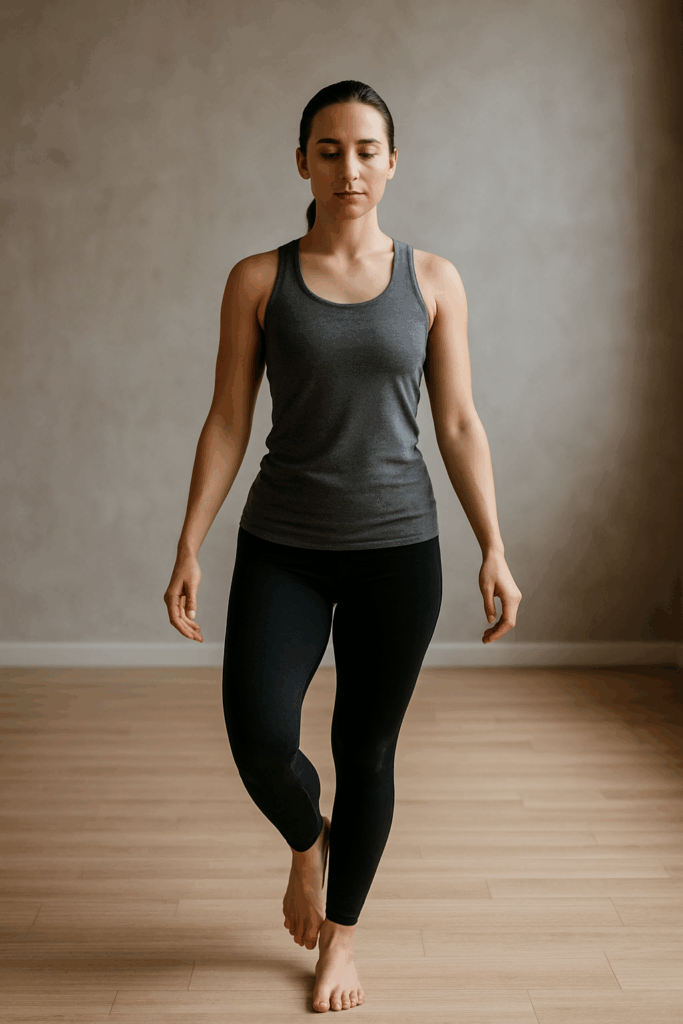
Young woman practicing intentional movement in a bright studio, highlighting body awareness and fascia-focused control

We live in a world that tells us โ€œjust move.โ€ And while movement is better than doing nothing, most people donโ€™t realize how much intention in movement changes the outcome. They go through the motions โ€” lift, stretch, sweat โ€” but without any purpose guiding it. Over time, their body reflects that.

Itโ€™s not just about getting through your workout. Itโ€™s about what your body learns while doing it.

They plateau. They get stiff again. They end up injured, frustrated, or just plain confused about why theyโ€™re not getting results. Thatโ€™s because movement without intention doesnโ€™t build a better body โ€” it just rehearses your current pattern.

What Is Intention in Movement?

Intention means youโ€™re not just moving for movementโ€™s sake โ€” youโ€™re moving with a purpose. That might be to decompress your spine, to support your posture, or to re-pattern your fascia. Intention gives your nervous system something to organize around.

This is where fascia-based, osteopathic movement shines. Because in this approach, every exercise is a conversation with your structure. Youโ€™re not just working muscles โ€” youโ€™re communicating with your bodyโ€™s connective tissue, joints, and postural systems.


Intention vs. Repetition

Letโ€™s say you do a hamstring stretch every day. If youโ€™re doing it just to โ€œget it done,โ€ youโ€™ll likely stay stuck. But if you approach that same stretch with the intention to open specific lines of tension in your fascia โ€” now your brain is involved. Your whole body starts to change.

Repetition without intention just reinforces compensation.
Repetition with intention creates transformation.


How We Apply This at SolCore Fitness

Every session here โ€” whether itโ€™s a private therapy session or a group training class โ€” is built around this principle. Intention is embedded into everything we do.

That includes:

  • Postural assessments before prescribing movement
  • Targeted fascial and joint techniques (like ELDOA) to decompress and realign
  • Teaching you how to feel whatโ€™s working, not just how to sweat

We donโ€™t throw random exercises at a wall to see what sticks. We teach you how to move better so you can feel better.


What Happens When You Move With Intention?

  • You get stronger, but with freedom instead of stiffness
  • You become more resilient โ€” fewer injuries, better energy
  • You notice a shift not just in your body, but in how you feel mentally
  • You learn what your body actually needs (and stop following generic plans)

Final Thoughts

Your body is always adapting โ€” the question is, what is it adapting to? If you train without intention, you stay in the same loop. But when you move with clarity and purpose, you rewire your system from the inside out.

โ€œAs multiple neuroscience studies have shown, intention activates specific brain networks before movement even begins โ€” reshaping both perception and performance.โ€

This is what our holistic training is built on.
If youโ€™re tired of going through the motions, maybe itโ€™s time to shift how you move โ€” and why.

Want to move with more purpose and feel the difference for yourself?
At SolCore, we help you rebuild your body from the inside out โ€” using precise movement, osteopathic techniques, and intentional training built around you.

book a consult to start moving forward โ€” intentionally.

Follow the Threadโ€”Where Movement, Fascia, and Freedom Align

Find more insight, reflection, and fascia-informed care across the platforms where we stay connected:
Facebook

Blue Sky

Pinterest

Instagram

Youtube

Linkedin

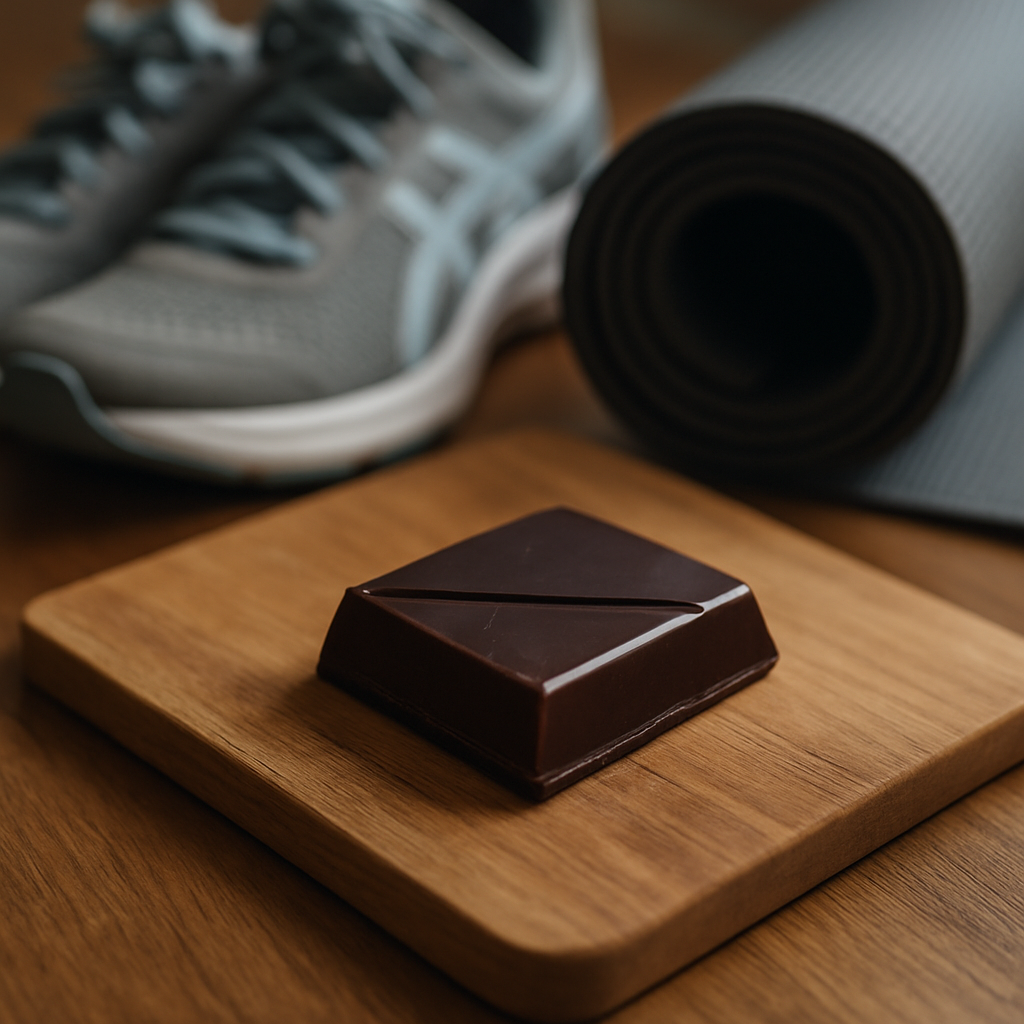
Like Dark Chocolate, Holistic Movement Satisfies Deeper

Holistic movement is like a piece of rich, dark chocolate โ€” small, intentional, and deeply satisfying.

You ever eat one of those mini chocolate bars from Halloween? You eat oneโ€ฆ then anotherโ€ฆ and somehow youโ€™re still not satisfied.

But a small square of real dark chocolate? That hits different. Itโ€™s richer. It stays with you. It satisfies.

Why Dark Chocolate Hits Different

The difference isnโ€™t just taste โ€” itโ€™s quality.
Dark chocolate is made with real cocoa, less sugar, and more of the stuff your body actually likes. You donโ€™t need much of it to feel satisfied.

And it even helps your nervous system, not just your cravings โ€” research backs this up.

The same is true with how you move.

When you train in a way that includes your fascia, your posture, your nervous system, and your structure โ€” your body feels better. You donโ€™t need to kill yourself in the gym.

The same is true with how you move. Myofascial Stretching is one example of movement that nourishes the body more fully.

You just need to feed your body what itโ€™s actually hungry for.

Holistic Movement Works Smarter

Holistic movement isnโ€™t about going soft โ€” itโ€™s about going deep. Learn why that makes all the difference.

It builds real strength from the inside out. It makes space in your joints. It calms your nervous system while it challenges your muscles.

And the best part?
You leave feeling stronger, not broken.

Just like with chocolate โ€” when itโ€™s made right, a little bit goes a long way.

Real Satisfaction Comes From Depth

If you’re always looking for the next workout fix โ€” but never feeling better in your body โ€” maybe itโ€™s time to try something more nourishing.

Something that satisfies deeper.
Something that was made to work with your body, not just sweat it out.

Thatโ€™s what we do here.
And like dark chocolateโ€ฆ once you try it, youโ€™ll wonder how you ever lived without it.

โ†’ Ready to train smarter? Thatโ€™s what we do here. See how our personalized, holistic approach works in real programs.

Follow the Threadโ€”Where Movement, Fascia, and Freedom Align

Find more insight, reflection, and fascia-informed care across the platforms where we stay connected:

Facebook

Blue Sky

Pinterest

Instagram

Youtube

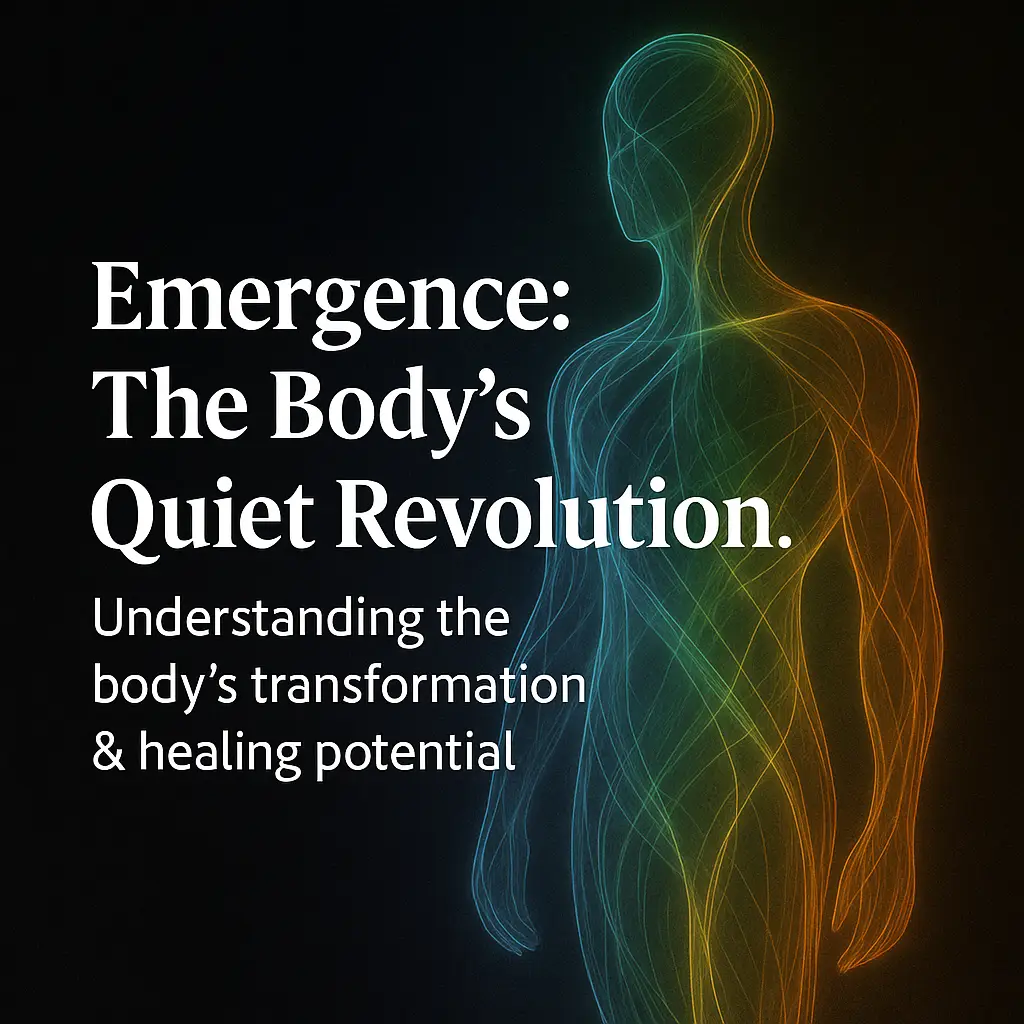
Emergence: The Body’s Quiet Revolution

Emergence: The Body's Quiet Revolution

We tend to think in straight lines. Start here, end there. Do the work, get the result. But the body doesn’t operate like a factory.

It operates like a forest.

In a forest, growth is not linear. Itโ€™s ecologicalโ€”emerging from networks of interdependence, seasons, decay, and surprise. This is how the body heals, evolves, and ultimately transforms.

This is emergenceโ€”when small, slow, often invisible processes suddenly produce something entirely new. A shift in posture. An absence of pain. The feeling of being organized from the inside out.

The Patience of Complexity

Weโ€™re conditioned to seek fast results. We want the “fix.” But when it comes to pain, performance, or even mental clarity, the body doesnโ€™t respond to force. It responds to presence.

Real change in the body comes from layered inputโ€”postural precision, fascial tensioning, nervous system reset, fluid movement, mindful breath. None of these alone are a magic bullet. But together, they build the terrain for something deeper to emerge.

Like in ELDOA, where you’re not just doing an exercise to open up space at a specific jointโ€”you’re turning on and integrating that joint with the rest of your spine, nervous system, and body. Itโ€™s a deliberate act of reconnection, aligning with the principles of PIT and DAM to allow for more fluid, intelligent movement. Or in myofascial stretching, where you find the restriction and *wait* for the tissue to yield. Or in proprioceptive re-education, where youโ€™re not just retraining musclesโ€”youโ€™re awakening forgotten intelligence.

Working “With” the Body, Not Against It

Techniques rooted in osteopathic principlesโ€”like ELDOA, MFS, segmental reinforcement, and fluid proprioceptionโ€”are not about overpowering dysfunction. They’re about partnering with the bodyโ€™s own capacity to reorganize.

Youโ€™re not โ€œfixingโ€ the body.
Youโ€™re giving it the information it needs to *emerge into coherence*.

This takes patience. Curiosity. And yes, repetition. But the rewards go far beyond relief. You move with more integrity. You live with more resilience.

This layered, systemic process is at the heart of our Osteopathic Exercise and Therapy Techniques, where youโ€™ll find tools that support the bodyโ€™s natural ability to adapt and reorganize.

More Than You Think You Are

Emergence reminds us that weโ€™re not limited by where we are now.

With the right input, the right environment, and the willingness to work with complexity, we donโ€™t just recoverโ€”we transform.

You may be showing up to resolve pain or feel better in your joints. But what if this process gave you more than that? What if you discovered strength, confidence, and alignment that you didnโ€™t think was possible?

Not by forcing your body to comply.
But by allowing your system to do what itโ€™s built to do: adapt, organize, and emerge.

Your body is not a project to be completed

Itโ€™s a living, dynamic system thatโ€”given the right relationshipโ€”can become more than you imagined.

Thatโ€™s the quiet revolution.

Thatโ€™s emergence.

Follow the Threadโ€”Where Movement, Fascia, and Freedom Align

Find more insight, reflection, and fascia-informed care across the platforms where we stay connected:
Facebook

Blue Sky

Pinterest

Instagram

Youtube

She Taught Me to Swim: Fascia, Stress Relief, and the Weight Mothers Carry

A personal momentโ€”and the message beneath it

She taught me to swim.

I was maybe two or three years old when this photo was taken.
My mom knelt beside me at the pool, smile wide, teaching me to float before I ever believed I could.

That memory has stayed with meโ€”and itโ€™s a powerful window into what fascia stress relief for mothers really means.

Because my mom wasnโ€™t just helping me stay above water.
She was holding our entire family afloatโ€”four kids, mostly on her own.

And like so many women, she carried the weight of care in her body.

What I didnโ€™t realize thenโ€ฆ
She wasnโ€™t just helping me stay above water.
She was holding our entire family afloat.

She raised four of usโ€”mostly on her own.

And like so many mothers, she carried the emotional and physical weight of the world without ever showing the strain.

Why Fascia Stress Relief for Mothers Matters

Your fasciaโ€”a web of connective tissue that surrounds every muscle, nerve, and organโ€”remembers everything. It responds to your environment, your posture, your stress… and your care.

When you’re constantly in output mode (like mothers and caregivers often are), that load shows up as:

  • Chronic stiffness or tension
  • Pain that shifts or lingers
  • A body that feels โ€œstuckโ€ or dehydrated from the inside out

Many mothers don’t realize that the stress they carryโ€”physically, mentally, and emotionallyโ€”directly impacts their fascia system. This dense connective tissue doesn’t just wrap musclesโ€”it helps manage fluid pressure, proprioception, and healing.

When fascia becomes overstressed or dehydrated, it loses its elasticity, its glide, and its ability to adapt. Thatโ€™s why fascia stress relief for mothers isn’t just a luxuryโ€”itโ€™s essential care.

The Causes of Fascia Stress in Mothers: Chronic Tension and Dehydration

1. Chronic stress
Fascia tightens under sustained emotional pressure, limiting circulation, mobility, and even breathing patterns. As described by researchers at Anatomy Trains, fascia forms an interconnected web that responds to everything from movement to mindset.

2. Dehydration
Fascia needs fluid movement to glide, adapt, and heal. Most people donโ€™t drink enough water to support it.

โœ… Hydration Guidelines:

  • Minimum: 1 liter/day
  • Ideal: Half your bodyweight in ounces
  • Best water sources: Artisan > Spring > Reverse Osmosis

Healing Is Possible. Care Starts With You.

Fascial health isnโ€™t just about flexibilityโ€”itโ€™s about freedom. The ability to move, feel, and live with less pain and more clarity.

With the right care, your fascia can:

  • Process emotional and physical tension more efficiently
  • Support better circulation and mobility
  • Help you feel grounded and strong again

This Motherโ€™s Day, Consider Thisโ€ฆ

Instead of flowers or brunch, what would it look like to give or receive:

  • Movement that restores
  • Hydration that heals
  • Space to be supported

***On second though also bring flowers***๐Ÿ˜‰

Want to feel more at home in your body?

Explore our approach to fascia, fitness, and real strength:

Follow the Threadโ€”Where Movement, Fascia, and Freedom Align

Find more insight, reflection, and fascia-informed care across the platforms where we stay connected:

Facebook

Blue Sky

Pinterest

Instagram

Youtube

Why Your Body Is Your Greatest Investment โ€” Not Your House

SolCore Therapy and Fitness

Your Body Is Your Greatest Investment

You’ve heard it before: “Your house is the most valuable thing you have.” While that may be true financially, I would STRONGLY argue that your body is your greatest investment.

If you lost your house, it would be traumaticโ€”but youโ€™d still be here with a fighting chance. If you lose your health, you might become a burdenโ€”or not be here at all. I know that sounds harsh, but I see it regularly.

Many of the people who come here have done well financially and in their careers. Theyโ€™ve worked hard, hired experts, and built portfolios that generate returns. But when it comes to their bodies, their strategy often looks like this:

  • Random walking
  • Using machines without understanding them
  • Taking classes without purpose
  • Only seeing practitioners when something goes wrong

By the time they reach me, they realize this approach wasnโ€™t enough. Itโ€™s not impossible to reverseโ€”but itโ€™s definitely harder. If you’re tight, weak, or uncoordinated, training is harder. And since your body functions as a whole, breakdowns donโ€™t happen in isolation.

The good news? Youโ€™re alive. And that means you can change.

With a specific, holistic, and integrated program, your body can become a strengthโ€”not a liability. Thatโ€™s the foundation of what we do here: training the body as it was designed, using osteopathic principles that respect how structure dictates function.

This way, all the services that are used to work with your body work together and for your body the way it was designed.

This is a progressive, sustainable way to feel better, get stronger, and move with confidenceโ€”without relying on others to โ€œfixโ€ you.

As the Buddha said: โ€œThe finger pointing to the moon is not the moon.โ€
You have to experience it for yourself.

If you are local in Santa Fe, NM, Come for a two-week trial. Click the button to read more and sign up.

Two Week Trial

If you are not local, then we offer private sessions via Zoom. Your homework is given to you within our member portal, where you will have access to videos of the exercises and stretches that we did so that you can practice.

Schedule a consult to find out more using the button below.

Request a Free Consult

Its not just working out its building a foundation for a better life.

Find out more @

Facebook

Blue Sky

Pinterest

Instagram

Youtube

Do Actions Equal Results? The Truth About Self-Improvement

Do Actions Equal Results? ๐Ÿค”

The biggest misconception is that action equals results. You’ve seen it everywhere:

  • โ€œDo these 3 things to achieve X.โ€
  • โ€œMy 10-step formula for success.โ€
  • โ€œI used this exact system to achieve X.โ€

These types of headlines make it seem like if you just follow a plan and use some elbow grease, you’ll reach your goals. And if you’re baking a cake or fixing a leaky faucet, that works great.

But when it comes to youโ€”your body, your health, your transformationโ€”you are not a recipe.

The Truth About Programs and Self-Improvement

When these headlines apply to personal growth or fitness, something gets lost. These “plug-and-play” formulas can feel like an easy fix, but they often backfire. Why?

Because they remove the responsibility to grow into the person who can achieve that goal.
If success were as simple as following steps, everyone would have perfect health, a thriving business, and a movie-worthy life.

But thatโ€™s not reality.

The Real Answer: Do Actions Equal Results?

Not exactly. That little โ€œ=โ€ sign is doing a lot more work than we think.

It doesnโ€™t just mean โ€œdo this, get that.โ€
It means:

  • Change how you think and behave
  • Learn and unlearn
  • Try, fail, adjust, repeat

That equals sign is transformation.
And transformation takes a philosophy, not just a checklist.

Real-World Example: When โ€œ3 Stepsโ€ Isnโ€™t Enough

A client came to me after finishing PT. They were told to keep doing:

  1. McKenzie press-ups
  2. Clamshells for hip strength
  3. Planks for core strength

But they werenโ€™t improving.

After evaluating them, I saw a flat lower back, an unstable SI joint, weak abs, and poor posture. Their imaging confirmed degeneration at L4/L5 and SI dysfunction.

So we changed the plan:

  • Replaced McKenzie press-ups with ELDOA for L4/L5, L5/S1, T8/T9, and C4/C5
  • Swapped planks for “good mornings” to retrain dynamic ab and spine strength
  • Upgraded clamshells to full-fiber glute med training within a fascial tension chain
  • Added myofascial stretches for pelvic balance: iliopsoas, trochanter muscles, glute medius and max
  • Treated the SI joint directly to stabilize the base

Thatโ€™s not a formulaโ€”itโ€™s a process of ongoing assessment, adaptation, and individualization.

What They Really Needed to Do

They needed to make time.
They needed to face the emotional resistance that often surfaces in healing.
They had to become the version of themselves who no longer lives with back pain.

And they did. But not because of steps 1-2-3.
Because they committed to a philosophyโ€”and worked through the equals.

Youโ€™re Not Alone. Iโ€™ve Been There.

I used to believe that if I just worked harder and followed the steps, Iโ€™d reach my โ€œX.โ€
Sometimes it worked. But often, it didnโ€™t.
And it led to frustration, burnout, and self-doubt.

The lesson?
You have to grow into the person who can hold the result you want.

So if youโ€™re asking โ€œDo actions equal results?โ€
Yesโ€”but only when the actions are rooted in learning, not just doing.

Our Philosophy: Action with Purpose

At SolCore Fitness & Therapy, we believe real self-improvement isnโ€™t just about action for actionโ€™s sakeโ€”itโ€™s about taking the right steps with the right guidance. Learn more about our philosophy and approach on our About page.

Find out more @

Facebook

Blue Sky

Pinterest

Instagram

Linkedin

Youtube

How To Thank Your Body

SolCore Therapy and Fitness

We’re approaching the gratitude and thankful season. It’s a time to take stock of your life and think of all the wonderful things in it. In my opinion, your body is one of the best blessings we have received.

This remarkable body of yours allows you to live and experience life. But too often, we take it for granted and expect it to work or are annoyed when something comes up. And in these cases, you are left with somebody to “make it go away.”

But your body is your responsibility. And by not being proactive and taking care of your body, you are leaving your health up to chance or expecting different results from the same activities. This way of working with your body is the norm and is detrimental to your life.

The current system of preventive health is either dogmatic or focused on symptom-based actions.

Think about it. Isn’t it funny that you will go to different people in different professions and hear similar information? This information is generally correct but only part of the picture. But since you listen to it from multiple sources, it seems like it is.

That’s called an echo chamber.

Or you keep returning to the same people at the same frequency to fix the same issue. You may feel slight relief, but it never totally goes away. That is the reality of symptom-based care. The focus is only to have it go away and not on the whole body, and your body functions best holistically. So, while treating the symptom may be necessary, it is not sustainable.

By taking a proactive approach to your health, you gain control over your body’s needs, ensuring it can keep up with the life you want to live. This requires a balanced program that you can follow.

Our holistic program is designed to train your body in a way that’s specific to you. It allows you to focus on the areas that are important to YOU, not just perform random acts of movement.

Now, when something comes up, it won’t be as bad as it could have been, and you will have already been doing many exercises that will help you fix the issue. Seeing a practitioner who understands this way of working with the body will probably be necessary for some hands-on therapy, but now it won’t take as long, and again, you have more control over the outcome because you are doing the exercises you need.

Working holistically doesn’t mean just doing different forms of exercise and focusing on different parts of your body. That is necessary on a broader level, but working holistically means two main things:

1)That the exercises you do complement and build together

2)And the program you use addresses all the different ways your body needs training.

The best way to learn is by doing it. This way, you will not only experience it but also understand it better like learning any skill.

  • If you are local to Santa Fe, NM, come for a two-week trial. You’ll get two weeks of classes and a one-on-one session. Use this link https://www.solcorefitness.com/a-trial-without-any-commitment-2/ to read more about our in-house two-week trial and sign up.
  • If you are not local or if you know classes may be too much for you, then work privately with us. You’ll not only get to experience an actual holistic training session, but you’ll also get personalized advice on what is the best way for you to train and then access the exercises that you did via our online portal so that you continue to make sure youโ€™re doing it right. Use this link to schedule a free consult and sign up for individual training/therapy. https://calendly.com/ekemba_solcorefitness/ica-interview  

If you’re not ready to jump in yet and want a deeper dive into holistic training, grab our information-packed guide, “Move Better, Reduce Pain, and Live Life On Your Terms: The 4 Steps To Break The Cycle, Fix It, and Keep It! “

Go to https://www.solcorefitness.com/move-better-reduce-pain-and-live-life-on-your-terms-landing-page/and input your information, and you’ll get instant access.

Give thanks that you have your body and show it thanks by taking care of it.

Find out more @

Facebook

Blue Sky

Pinterest

Instagram

Youtube

Linkedin

Awareness and Mindset in Fitness: Stop Sabotaging Progress

There is what is factually happening and your perception of what is happening. Being aware and managing these two situations will either lead you to suffering or not.

Check out this video to raise your awareness and help you move through your sticking points.

Click the image to watch the full video

What Are You Making It Mean?

Thereโ€™s whatโ€™s happeningโ€”and thereโ€™s what you make it mean.

That difference? Itโ€™s everything.
Because whether you move forward or stay stuck depends on whether you respond to realityโ€ฆ or your perception of it.

Letโ€™s dig into what that really meansโ€”especially when it comes to your body, your progress, and the way you approach challenge.


Your Body Speaks. Are You Listeningโ€”or Interpreting?

Anytime you start a new fitness or therapy programโ€”especially one thatโ€™s truly holisticโ€”itโ€™s going to challenge you. It might expose weaknesses, bring up tension youโ€™ve ignored, or feel โ€œhardโ€ in unfamiliar ways.

But most people donโ€™t just feel that difficultyโ€”they add meaning to it:

  • โ€œThis is torture.โ€
  • โ€œMy body canโ€™t handle this.โ€
  • โ€œIโ€™m not cut out for this kind of training.โ€
  • โ€œIโ€™m broken.โ€
  • โ€œItโ€™s too much.โ€

Those are interpretations, not facts.

The fact might be:
๐Ÿ‘‰ โ€œThis stretch is tight.โ€
๐Ÿ‘‰ โ€œIโ€™ve never moved like this before.โ€
๐Ÿ‘‰ โ€œI donโ€™t yet know how to do this.โ€

Thatโ€™s a very different experience.


Example: The Bicep Femoris Stretch

Letโ€™s say I give you a bicep femoris myofascial stretchโ€”a targeted stretch for your hamstrings in their full fascial chain.

Itโ€™s not โ€œhardโ€ in the traditional sense. But if your body needs it, it will feel tight or awkward or intense.

You get to choose:

  • Will you experience it for what it is?
  • Or will you pile on emotional baggage and make it mean something bigger?

The One Thing That Sabotages Progress

The #1 thing I see stop people from progressing is not the exercises themselvesโ€”itโ€™s the mental meaning they assign to those exercises.

If your internal voice says โ€œI shouldnโ€™t feel this wayโ€ or โ€œthis means Iโ€™m broken,โ€ youโ€™re setting yourself up for resistance, frustration, and eventuallyโ€”quitting.

But if you stay present with whatโ€™s actually happening in your bodyโ€”without judgmentโ€”you stay open to growth.


What to Do Instead

Hereโ€™s how I coach clients to navigate this:

  1. Expect challenge. New experiences will feel weird. That doesnโ€™t mean theyโ€™re bad.
  2. Create space. Journaling, breathwork, or mindfulness can help you separate your emotions from the facts.
  3. Observe your mind. Notice what stories pop up. You donโ€™t have to believe them.
  4. Return to your body. Stay grounded in what youโ€™re actually feelingโ€”tightness, confusion, effortโ€”not the meaning youโ€™re assigning to it.

The Big Shift: Let the Process Change You

Doing something new isnโ€™t just about gaining a new skill. Itโ€™s about letting the process change you.

You wonโ€™t get new results by staying the same person. That includes your body, your thoughts, your habits, your expectations.

So donโ€™t just focus on doing something different.
Focus on becoming someone differentโ€”someone who can handle challenge without collapse, who stays present, and who grows through the experience.


This Is Holistic Fitness

At SolCore Fitness, I teach from an osteopathic modelโ€”where therapy and training are part of the same continuum, and the body is treated as a connected whole.

That means I donโ€™t just give you workouts. I give you a framework that teaches your body and mind to adapt.

So when something is tight, you donโ€™t panic.
You observe. You adjust. You continue.

Thatโ€™s how long-term change actually happens.


Ready to Try?

Drop a comment if this resonates.
Have you noticed yourself layering meaning onto your experience? Have you ever self-sabotaged without realizing it?

Awareness is the first step.
And Iโ€™d love to hear what youโ€™ve discovered.

See you next week.

โ€” Ekemba Sooh
SolCore Fitness & Therapy

P.S Read more about my journey! It is filled with multiple moments of Ah Ha’s

Ekemba’s Story

Bbuilding a foundation for a better life.

Find out more @

Facebook

BlueSky

Pinterest

Instagram

Youtube