Strength Training

Your Body Is Not a Tool: It’s a Tensegrity System

Mens Health. Your Body is not a tool - tensegrity system body

Your Body Is Not a Tool—It’s a Tensegrity System

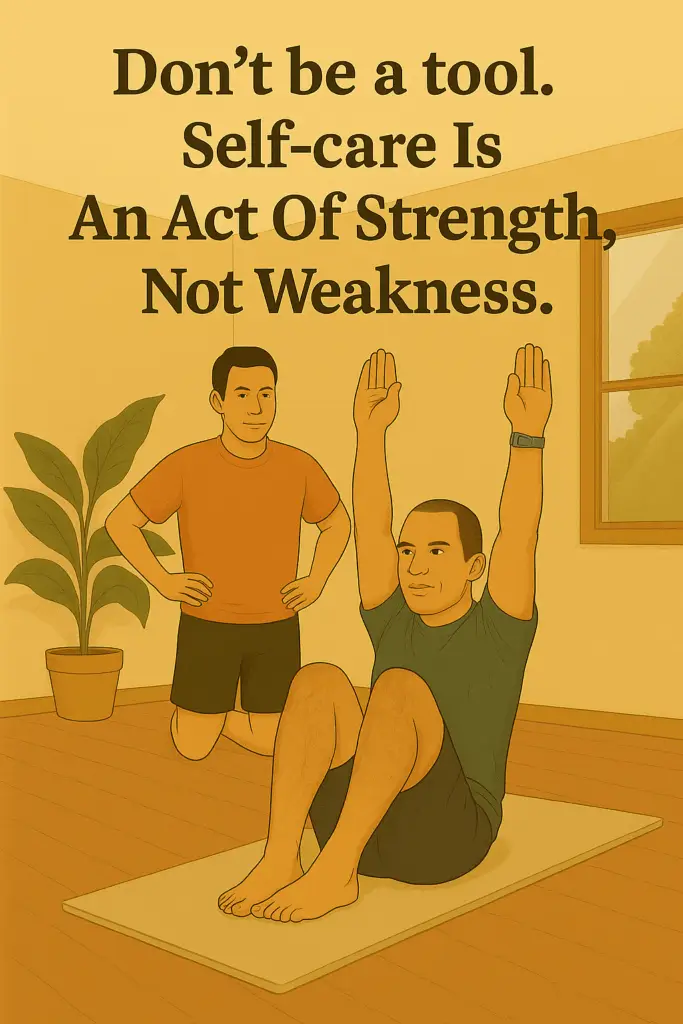
Most men treat their body like a tool.
Use it. Push it. Sharpen it. And when it breaks—tape it up and keep going.

But what if that’s the wrong model?

What if your body is less like a hammer… and more like a suspension bridge?

🧬 What Is a Tensegrity Structure?

Tensegrity is a principle of architecture and biology that describes how a system holds its shape through tension and compression in balance.

In your body, that means:

  • Fascia suspends bones, not just muscles.
  • Muscles work in continuous loops—not linear pairs.
  • Stability comes from distributed force, not just strong joints.

This concept is well explored in tensegrity structures in the body, where bones float in a sea of soft tissue and movement is the result of dynamic relationships—not rigid levers.

When one area tightens or collapses, everything else has to adjust—sometimes with pain, sometimes with compensation.

🧠 The “Tool Mindset” Is Costly

Most men were taught to push through discomfort, to train harder, and to earn results through effort alone.

But this approach overlooks the systemic balance that your body depends on:

  • Strength in one plane + stiffness in another = injury
  • Big lifts without joint hydration = compression, not growth
  • No fascia prep = poor rebound and reduced circulation

Fascia doesn’t just wrap muscles—it governs how force travels through the body. Fascia’s role in structural balance is central to preventing overload and sustaining performance.

A tensegrity system doesn’t respond well to brute force. It needs strategy.

🔧 The Shift: From Hammer to Suspension Bridge

What if instead of forcing your body, you prepared it?

  • What if warm-ups focused on joint mobility and fascial hydration, not just heat?
  • What if your training helped restore balance before pushing capacity?
  • What if you saw self-care as performance insurance, not a luxury?

🛠️ ELDOA: Biotensegral Fitness in Action

This is where tools like ELDOA, myofascial stretching, and segmental reinforcement come in.

They create:

✅ Precise decompression
✅ Vector-aligned tension
✅ Functional hydration of discs and joints
✅ Endurance without compensation

It’s not flashy. But it works. And it lasts.

In fact, fascia-related dysfunction is often a root cause of training breakdown. Learn more about overuse injuries and movement compensation and how smarter prep can make the difference.

📣 Final Thought: Pride in Structure

During Men’s Health Month and Pride Month, the message is simple:

➡️ Pride in yourself starts with knowing yourself.
➡️ You can’t give what you don’t have.
➡️ A resilient body supports a fulfilling life.

The goal isn’t to push harder—it’s to train smarter.
Your body isn’t a tool. It’s a system. Treat it that way—and it will carry you far.

Want to experience what real body architecture feels like?

Follow the Thread—Where Movement, Fascia, and Freedom Align

Find more insight, reflection, and fascia-informed care across the platforms where we stay connected:

Facebook

Blue Sky

Pinterest

Instagram

Youtube

Who is Borelli and How Can His Muscle Range Of Motion Length Law Help You in Your Fitness Routine?

Muscle range of motion is an important factor in training yourself properly. But it’s not just about moving your body. There are different range of motions for different effects. Read more to find out.

Meet Borelli: The First Biomechanic

Borelli lived in the 1600s and was a true Renaissance man — a mathematician, physicist, and physiologist all rolled into one. He’s often called the Father of Biomechanics because he was one of the first to look at the human body and say, “Hey, our muscles and bones work like levers, springs, and pulleys!”

What is Borelli’s Length Law?

In a nutshell, Borelli’s Length Law states: The length of a muscle is proportional to the range of its contraction. Muscles behave differently — and produce different types of strength — depending on whether they’re shortened, lengthened, or somewhere in between. In short, it’s the Muscle range of motion and what they can do for you.

Borelli’s 5 Ranges of Muscle Motion (And How They Help You)

Internal Range Full flexion (muscle fully shortened), very little extension.

Why it matters: Builds stability, tight control, and joint protection.

External Range

Total extension with a bit of flexion.
Why it matters: Strengthens muscles in their stretched, vulnerable positions.

Middle Range

Partial flexion and partial extension.
Why it matters: Where muscles are strongest and most efficient — builds power.

Total Range

Moving from full flexion to full extension.
Why it matters: Trains adaptability and real-world functionality.

Extrem Range

Muscle stretched to max while still contracting — e.g. ELDOA.
Why it matters: Improves deep structural resilience and tissue quality.

Final Thought: Your Fitness Journey is Bigger Than 3 Sets of 10

The world of fitness is vast and full of possibilities. Muscle range of motion is just one factor that you can work with. If you’re willing to look beyond sitting on a machine and doing 3 sets of 10–15 reps.
By training all muscle ranges of motion, you open up new levels of strength, movement, and vitality that most people never tap into.

Borelli’s old-school insights still hold true today: “The body is a masterpiece of mechanics. Train it fully — and you’ll live fully.

When you start combining Borelli’s Length Law with other timeless principles — like Pascal’s Law, Hill’s Muscle Model, the Delmas Index — through the holistic lens of Biotensegrity, your training, your movement, and your life will expand exponentially.

Methods like ELDOA are modern reflections of this timeless science — helping you build not just strength, but deep, intelligent resilience.

Read more about how holistic exercise and fitness program can help you feel your best and have a body that can keep up with the way you want to live.

Follow the Thread—Where Movement, Fascia, and Freedom Align

Find more insight, reflection, and fascia-informed care across the platforms where we stay connected:
Facebook

Blue Sky

Pinterest

Instagram

Youtube

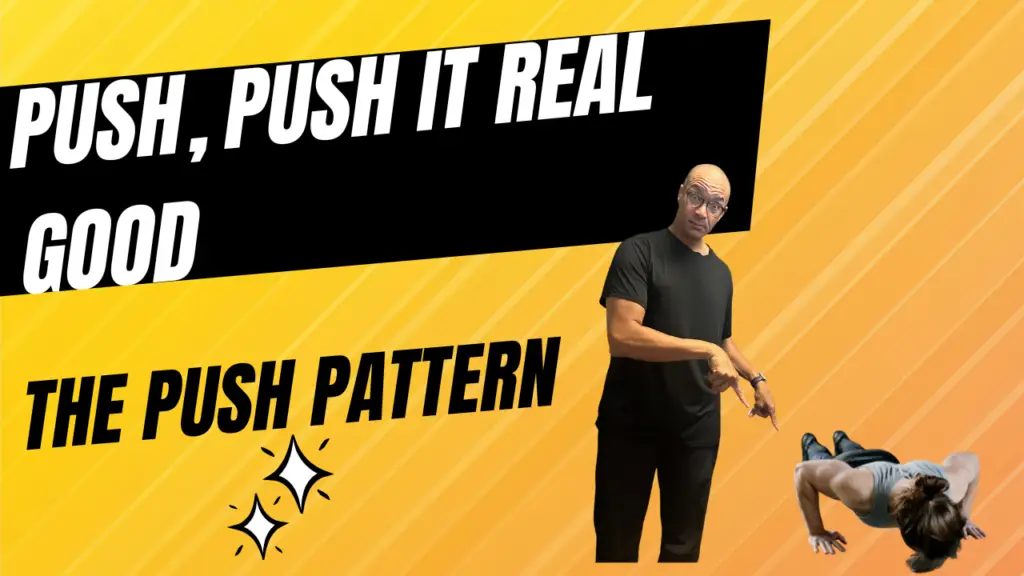
Mastering the Push Pattern: It’s Not Just For Your Pecs

Mastering the push-pattern. The bench press. The chest press. The push-up.

Whatever you call it, this push pattern is one of the seven primal movements—and it’s about a lot more than just building your pecs.

In this post (and video), we’ll explore how mastering the push pattern isn’t just a matter of technique, but of understanding the full-body biomechanics behind it. When you treat it as a holistic movement, you unlock strength, mobility, and injury resilience across your entire body.

Check out the full video by clicking on the image below.

The Push Pattern Is a Full-Body, Compound Movement

Yes, the push pattern trains your pecs—but it also demands the coordination of your:

  • Lats
  • Deltoids
  • Biceps & triceps
  • Forearms, wrists, and hands
  • Elbows, shoulders, and spine
  • Rib cage, sternum, and even your pelvis

When you perform a push correctly, these systems integrate through your fascia to create a strong, stable, and safe motion.

But when you lack strength or coordination in any of these areas, your body compensates. That’s where problems start.


Compensation = Cheating Your Body

Let’s say your pecs are underdeveloped. You can still bench press—but your body cheats by overusing the lats, delts, or even your spine.

Over time, this imbalance leads to:

  • Shoulder pain
  • Poor posture
  • Limited progress
  • Injury

To avoid this, you must train the push pattern segmentally first—then globally.


Segmental Training Before Full Patterns

Instead of jumping straight into compound movements, train the individual components:

  • Pec flies at diagonal angles to match muscle fiber lines
  • Serratus anterior strength (fan-shaped movement)
  • Rhomboid work in glenohumeral-friendly positions
  • Posterior chain and thoracic posture development
  • Psoriatic joint mobilization and therapy (behind shoulder blades)

This builds neuromuscular coordination, muscle mass, blood flow, and fascial integration—giving your body the tools to execute the push without compensation.


Choosing the Right Push Pattern Progression

Once you’ve built the foundation, you can progress the push pattern intelligently:

  • Open chain (free end movement): barbell bench press, dumbbell press
  • Closed chain (fixed end): push-ups from wall, bench, knees, or toes
  • Unilateral (one side): single-arm press
  • With rotation or combination: functional push + twist variations

Start with the basics. Don’t jump into complexity without preparation—your body will guess, and guessing equals injury.


Posture and Scapular Mechanics: Two Common Mistakes

Two things I see people get wrong constantly:

  1. Posture
    • Arching the back during a press
    • Leading with the head during push-ups
    • Lifting the head off the bench
    • Dropping the pelvis or changing spinal curves
    👉 Your posture is your training. What you teach your body under load is how it will behave.
  2. Scapular Mechanics (Shoulder Blade Movement)
    • On the way down (eccentric), scapulae must retract
    • On the way up (concentric), they must protract

If your scapulae can’t glide properly, your shoulders take the hit.


The Serratus Anterior: The Unsung Hero of Push Movements

The serratus anterior is critical for scapular protraction and stabilization. It fans out from the ribs to the shoulder blade and works alongside:

  • Rhomboids (between the scapulae)
  • Psoriatic joint (behind the scapula)

You must train it in multiple planes—not just with “push-ups plus,” but in diagonal and rotational movements to build full range and resilience.

We have a great guide to understanding holistic exercise and fitness


Why Mastering the Push Pattern Matters

This isn’t just about looking better in a t-shirt. The push pattern shows up in:

  • Daily movements (pushing open a door)
  • Sports performance
  • Fall prevention
  • Structural balance
  • Joint health

When you rush into it without preparing the body segmentally, you’re skipping steps—and your body will force you to pay attention later through pain or dysfunction.


Final Thoughts (and Your Next Steps)

Mastering the push pattern means respecting the complexity of your body.

✅ Train weak links first
✅ Stretch and mobilize where needed
✅ Build strength from the ground up
✅ Respect posture, control, and sequencing


📥 Free Resource + Call Option

🎁 Want to train smarter, not harder?
Get my free guide: 4 Steps to a Strong, Pain-Free Body to Live the Life You Choose — instant access.

Building a foundation for a better life.

Find out more @

Facebook

BlueSky

Pinterest

Instagram

Youtube

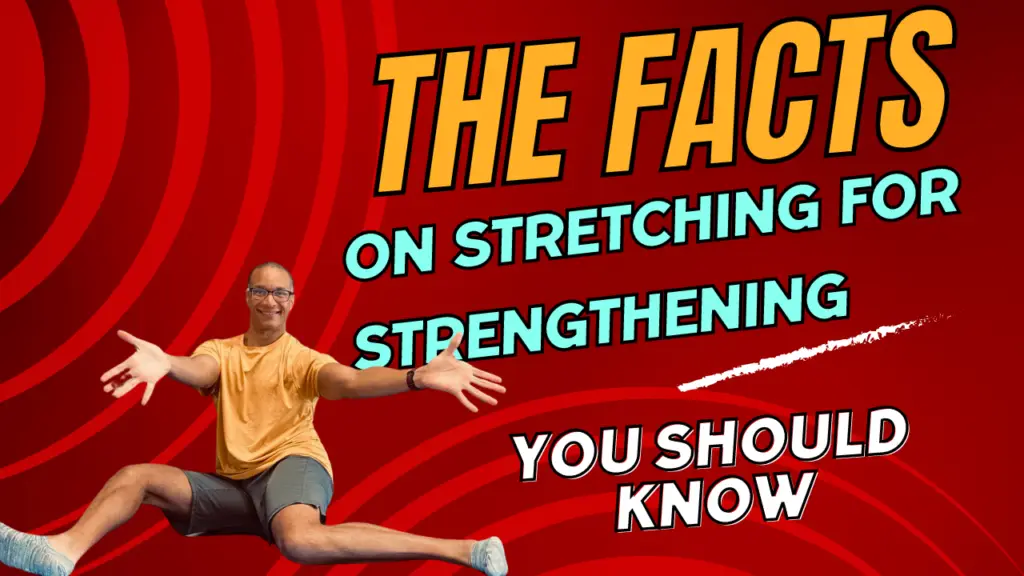
🌟 Unlock Your Full Potential: The Secret Link Between Stretching and Strength! 🌟

Stretching is often seen as a warmup, cooldown, or just something you do when your muscles feel tight. But what if stretching and strength weren’t opposites—but partners?

When done correctly, stretching not only improves mobility—it builds strength by enhancing posture, neuromuscular control, and the structural integrity of your body.

Let’s dive into how this works and why most people are doing it wrong.

Click on the image to watch the full video

Stretching Isn’t Just Passive Relaxation

The kind of stretching you see in most gyms—grabbing your foot, throwing a leg on a bench, or flinging your arm across your chest—is outdated and ineffective.

At best, it temporarily increases range of motion. At worst, it disrupts how your body generates strength.

But with the right approach, stretching can actually improve strength by working with the body’s connective tissue system—specifically, your fascia.


Stretching vs. Warming Up: Know the Difference

Let’s clear this up:

  • Warm-up: Prepares your body for activity
  • Stretching: Helps normalize tissues after activity
  • Foam rolling: Neither warming up nor stretching—and often harmful to fascia

Warm-ups increase your current potential. Stretching expands what’s possible over time. That’s why you should never stretch before intense activity—only after.


Why Fascia Matters for Strength

Fascia is the body’s connective tissue matrix. It wraps every muscle, nerve, and organ—creating structure, transmitting force, and supporting movement.

If your fascia is:

  • Dehydrated
  • Stressed
  • Tangled from poor posture or injury

…it will limit how your muscles function. Stretching properly hydrates, aligns, and restores fascia—giving your muscles a better “container” to generate force from.


The Science Behind It: Tensegrity + Hill’s Muscle Model

Your body works through tensegrity—a balance of tension and compression. When fascia is out of balance, your strength output suffers.

According to Hill’s Muscle Model, true strength depends on:

  1. Muscle fibers
  2. Tendons
  3. Fascia

Most programs only train the first two. The third component—fascia—is what holistic stretching trains directly.


Myofascial Stretching: What It Actually Does

Done correctly, myofascial stretching:

✅ Aligns fascial chains across the body
✅ Improves posture and neuromuscular communication
✅ Boosts coordination within strength movements
✅ Reduces injury risk by improving structural integrity

Think of it as strengthening from the inside out.


Why Most People Miss This

Stretching that leads to strength isn’t generic. You can’t Google a “hip flexor stretch” and expect it to improve your squat.

You need to:

  • Know which chain the muscle belongs to
  • Line up posture and joints correctly
  • Understand how it connects to your fascia and nervous system

That’s why working with someone who understands fascia is so important. I help clients do just that.


Take Care of Your Fascia Like This:

  1. Hydrate – Plain water, ½ your body weight in ounces daily, away from meals
  2. Manage stress – Nature, meditation, journaling, breathing
  3. Stretch with fascia in mind – Post-activity, aligned to your body’s specific needs

Want to Learn How to Do This Right?

If you’re just going through the motions or skipping stretching altogether, you’re missing a huge piece of the strength puzzle.

✅ Download my free guide: 4 Steps to a Strong, Pain-Free Body
Book a free consult: Let’s assess your body, your routine, and see what’s really holding you back
✅ Keep learning: Explore my channel and blog—everything here is built around a holistic, fascia-first approach

Let me know in the comments: Are you using stretching to support your strength? Do you train with myofascial chains in mind?

See you next week.

it’s not just working out, it’s building a foundation for a better life.

Find out more @

Facebook

BlueSky

Pinterest

Instagram

Youtube

Balance and Coordination. Why its important to do this FIRST!

Balance and coordination are more than just “nice-to-haves.” They are the foundation of a strong, mobile, and pain-free body.

Yet most people either skip them entirely or throw them in as an afterthought. Even worse, many believe, “I’ve just never had good balance — that’s how I am.”

That’s simply not true. You can absolutely train your balance and coordination — and if you want strength, mobility, or long-term physical freedom, you need to.

Click on the image to watch the full video

Balance and coordination

What Happens When You Skip Balance and Coordination?

Here’s the reality: if your body feels unstable, your nervous system will prioritize not falling over getting stronger or more mobile.

That means:

  • Strength exercises become less effective
  • Stretching gets compromised
  • Progress stalls
  • Injuries creep in

Even slight instability sends signals to your brain to play it safe — sabotaging the very adaptations you’re working toward.


Why Most People Ignore This (and What to Do Instead)

Walk into any gym and you’ll see people jumping into workouts, machines, or classes without ever addressing balance and coordination.

Why?

  • Most people don’t know how to train them
  • Trainers often only use basic drills like standing on one foot or a BOSU ball
  • Online content repeats the same watered-down advice

Real balance and coordination training requires more than circus tricks. It demands a structured, segmental approach that builds your foundation from the inside out.


What True Balance Looks Like

To train balance and coordination effectively, we need to go beyond standing on unstable surfaces. You need to consider:

✅ Your Posture (Plumb Line)

  • Ear, shoulder, hip, ankle aligned
  • Look at yourself from the side and front for asymmetries
  • Use a straight reference like a wall, pole, or line

✅ Your Gravity Line (4° Cone)

  • Think of a cone extending from your feet up
  • You should be able to move and stabilize within that zone
  • Outside the cone? Your body burns energy just trying not to fall

✅ Your Internal Balance

  • Fascia, joints, and proprioceptors (tiny sensory receptors) must all do their job
  • The more balanced your system is, the more energy goes to performance — not survival

What Coordination Really Means

Coordination is how well your brain and body communicate. It happens through:

  • Afferent & efferent signals (to and from the brain)
  • Proprioceptors (those “little computers” that detect joint position and movement)
  • Neuromuscular patterns (engrams) that form from repetition

When trained well, coordination turns conscious effort into automatic flow. Think of how skiing, dancing, or driving became easier with repetition — that’s coordination in action.


How to Train It (Without Hurting Yourself)

You don’t start by balancing on one leg with your eyes closed on an unstable surface. You start simple:

✅ Two feet, flat surface
✅ Stable foundation
✅ Good posture
✅ Small, controlled movements that build from the inside out

Then you layer complexity after the foundation is solid.


A Cautionary Tale (The BOSU Ball Fail)

I once watched a trainer put an elderly client — already shuffling when walking — on a BOSU ball. The man fell hard. Why? Because he hadn’t earned the right to be there yet.

We glorify flashy, unstable exercises and ignore the basics. But what the body really needs is to start with the fundamentals — and master them.


There’s no “3 best balance exercises” for everyone. Your body is unique. You need a holistic fitness program that trains your entire system — from small stabilizers to global movement chains.

That’s why balance and coordination must come first. They make every other movement:

  • Safer
  • More effective
  • More sustainable

Want to Build Real Balance and Coordination?

Here are your next steps:

Download my free guide: Four Steps to a Strong, Mobile Life
Book a free consultation: We’ll talk about your goals, challenges, and create a strategy
Stick around: This blog and my YouTube channel are packed with holistic movement insight — no gimmicks, just truth

Let me know in the comments — are you training your balance and coordination? If not, what’s held you back?

See you next week.

it’s not just working out, it’s building a foundation for a better life.

Find out more @

Facebook

BlueSky

Pinterest

Instagram

Youtube

Avoid These Common Mistakes When Doing Lunges

The lunge is one of the seven primal movements — foundational patterns your body needs to perform life’s activities. It shows up in everything from walking up stairs to playing sports. But despite its importance, most people do it wrong. And improper lunges can lead to dysfunction, pain, and eventually injury.

Let’s break this down holistically — the way your body is meant to be understood.

Click on the image to watch the full video

Why Lunges Matter (And Why Most People Get Them Wrong)

Lunges are a global movement, meaning they involve many joints, muscles, and fascia chains working together. But too many people skip the prep work and just jump into reps. That leads the body to “cheat” the movement — finding ways to make it happen, but not necessarily the right way.

And those cheats? They lead to bad movement patterns, compensation, and eventually breakdowns like knee pain or low back strain.

Before doing lunges, your body needs to be trained for them — especially in the areas that stabilize and coordinate your leg and pelvis.


Key Muscles You’re Probably Not Training Properly

Two of the most important muscles for safe, strong lunges are the glute medius and adductor longus. These muscles are opposites — one on the outside of the hip and one on the inside of the thigh — and they work together to stabilize your leg and pelvis.

Most people train the glute med with exercises like the “clam.” But here’s the issue:

  • The clam only targets part of the glute med (there are three fibers).
  • It usually involves hip external rotation, which recruits the piriformis — not what you want if you’re trying to isolate glute med.
  • It doesn’t train the fascia chain that connects the glute med to your entire body.

A better approach? Train each fiber of the glute med specifically, and in a position that mimics how your body moves in life — like during a lunge.

The same goes for the adductor longus. To train it properly, use motions that involve hip flexion, internal rotation, and adduction — not just squeezing your legs together.


Lunges don’t fail because your quads aren’t strong. They fail because one link in your movement chain is weak or misfiring. That’s why I teach segmental training — working specific muscles in their purest form so they can do their job when it matters.

You’re only as strong as your weakest link. If the glute med can’t stabilize your pelvis, no amount of squats, step-ups, or lunges will fix the imbalance.


Micro Movements Drive Macro Success

The lunge isn’t just a bend of the hip and knee — it involves rotation, weight transfer, balance, and fascia coordination. That’s why I always say:

“The micro movements manage the macro movements.”

When you walk or lunge, your foot and knee rotate slightly — it’s subtle, but critical. If that rotational control isn’t trained first, you’re building a house on a shaky foundation.


Fascia: The Secret Ingredient

Your fascia — the connective tissue that wraps around and links your muscles — plays a huge role in lunging. For example, the tractus iliotibial (IT) band connects fascia from the glute med, thigh, and hip down to your knee.

If that fascial line isn’t trained, it guesses what to do — which means your knee may twist, shift, or compensate.

Training fascia means educating it — not smashing it with foam rollers. That’s why our method incorporates myofascial stretches and specific movements that guide the fascia to behave correctly.


Mastering the Lunge (Once Your Body’s Ready)

Once your body is prepared, here’s how to progress your lunge safely:

🔹 Supported Lunge

Start with one leg forward, most of your weight on the front leg (90/10 split). Let the front knee bend first, followed by the back. Focus on clean, vertical motion — no tipping or twisting.

🔹 Stepping Lunge

Now add movement. Step out with your heel first, not your toe (avoid “ballerina steps”). Your step should be slightly longer than a normal stride for better alignment and control.

🔹 Multiplanar Lunges

Life doesn’t happen in a straight line — neither should your training. Practice lunges:

  • Forward
  • Diagonal forward
  • Lateral
  • Diagonal backward
  • Backward

This prepares your body for real-world movements like hiking, skiing, or playing with your kids.


Lunges Are More Than a Gym Exercise

When done right, lunges teach your body to move efficiently, absorb force, and transfer energy through your whole system. But when done wrong — with poor prep or misaligned form — they cause more harm than good.


Need Help Getting This Right?

If you want expert guidance tailored to your body, I’ve got two options for you:

See you next week — and take care of your movement!

Building a foundation for a better life.

Find out more @

Facebook

BlueSky

Pinterest

Instagram

Youtube

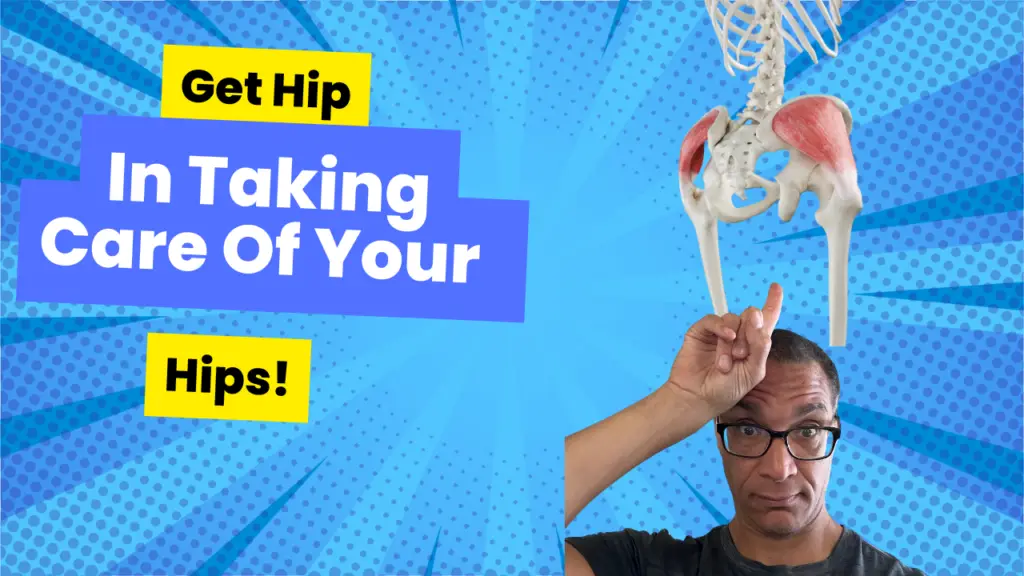
3 Steps To Strong Mobile Hips. Avoid Hip Surgery!

We’re seeing it more and more — hip replacements at younger and younger ages. In fact, over 544,000 people get hip replacements every year. That’s wild.

But here’s the thing: surgery isn’t your only option.

Whether you’re dealing with hip pain, trying to prevent it, or just want to move better and stay strong, the key is training your hips proactively — not reactively.

Let’s talk about why most people end up under the knife, and how you can avoid it by taking control of your body with a holistic plan that actually works.

Click the image to watch the video

Why Most Hips Break Down

It usually starts slow. You feel a little something, go to PT for 10 sessions, maybe take some pain meds or anti-inflammatories. Then cortisone shots. Then, one day, surgery.

It doesn’t have to go that way.

As someone who’s been in this field for 30 years — first as a personal trainer, now as a SomaTrainer and SomaTherapist — I’ve seen this cycle play out too many times. But I’ve also seen how the right training can keep your hips healthy for decades.


The 3 Factors That Destroy Hip Health

Let’s look at what really causes hips to break down:


1. Load: The Hidden Stress in Your Hips

Every time you move — walk, stand, sit — your hips absorb massive force. There’s an actual equation (called Pauwels’ Balance) that shows just how much pressure goes through your hips with every step.

If your muscles aren’t trained to handle that force, the cartilage in your hips starts to wear down layer by layer. And once it’s gone, it’s gone.

That’s what leads to arthritis, bone spurs, and joint degeneration — not old age, but untrained structure under constant load.

If you’re overweight, that force multiplies dramatically.


2. Imbalance: The Silent Saboteur

When your body is out of alignment — tight on one side, weak on the other — that force doesn’t distribute evenly. Instead, it grinds into your joints.

You might notice pain or tightness in your hips, or maybe you just feel a little off.

Most people ignore these signs or treat them as “normal.” But they’re messages from your body: “Help me get back in balance.”

Muscles like your glute medius, pelvic rotators, adductors, and deep hip stabilizers must work together. If even one of them is off, your hip health suffers.

This is why clamshells and cookie-cutter PT routines don’t work. You need a plan that understands how the body really functions — holistically and fascia-connected.


3. Time: The Slow Creep of Wear and Tear

If you’re not proactively training your hips, time will catch up with you.

People often tell me, “It just started hurting out of nowhere.” But unless there was trauma, that’s rarely true. It’s years of imbalance and neglect that finally surface.

Pain isn’t the problem. It’s the signal that something deeper has been brewing for a long time.


What a Holistic Hip Program Actually Looks Like

Most programs only treat the symptom or isolate muscles. But your body doesn’t work in pieces — it’s an integrated system.

A holistic approach does two things:

Macro Work: Full-Body Support

You need a foundation. That means training your body as a whole — posture, fascia tension lines, spine, core, hips — so your system supports itself from the ground up.

Micro Work: Targeted Hip Support

Then, focus on areas that get the most load — hips, spine, deep stabilizers. You need to:

  • Strengthen all fibers of key muscles (e.g. glute med: anterior, middle, posterior)
  • Stretch strategically (e.g. pelvic rotators, iliopsoas, spinal extensors)
  • Integrate movement so your nervous system knows how to use what you’ve built

The way you train is the way your body behaves in life.


Stop Waiting. Start Building.

If you want to avoid surgery and move better for life, now is the time.

And you don’t have to do it alone.

I offer 3 free ways to start:

Let’s build a body that can keep up with the life you want to live.

Building a foundation for a better life.

Find out more @

Facebook

BlueSky

Pinterest

Instagram

Youtube

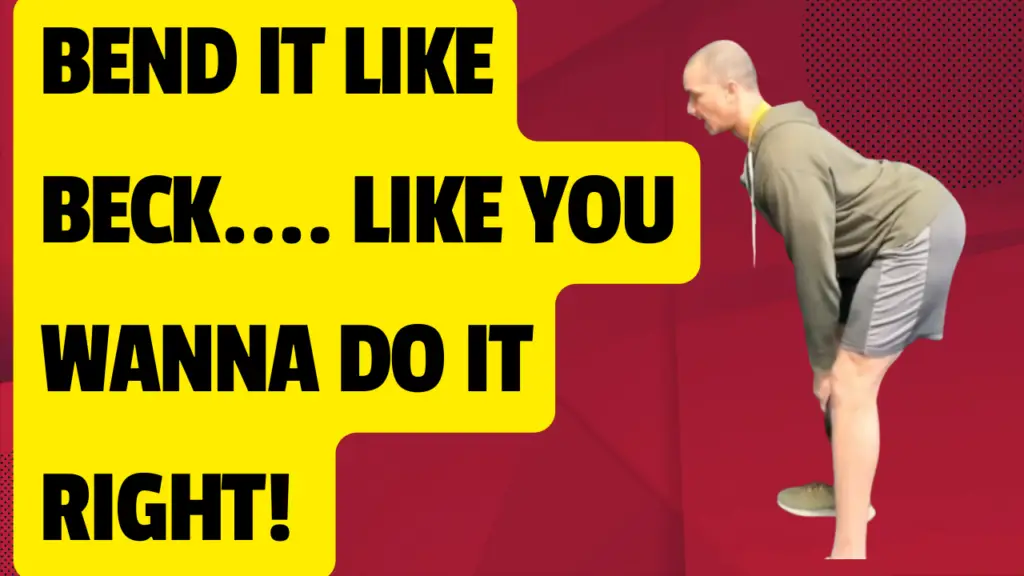
Do You Know the Truth About The Bend Pattern?

Bending is one of the most common movements we use in everyday life—picking up your kids, moving a box, swinging a golf club. But most people don’t do it well. That poor movement adds up, leading to tightness, pain, or injury over time.

So should you jump straight into Romanian deadlifts (RDLs) or kettlebell swings to “fix” it?

Not quite.

Let’s unpack what the bend pattern really is, which muscle chains are involved, and how to approach this movement holistically so your body gets stronger—not more worn down.

Click the image to watch the full video

What Is the Bend Pattern, Really?

In training, the bend pattern refers to a hip-dominant movement like an RDL or deadlift. You’ll see this pattern show up solo or combined with other movements during everyday life—lifting, twisting, walking, squatting.

But just “doing” the movement doesn’t mean you’re doing it well.

If your muscle chains are out of balance—some tight, some weak, some misfiring—practicing the bend pattern without addressing the root causes can reinforce dysfunction and eventually lead to pain or breakdown.


The Bend Pattern Is a Global Movement

Unlike isolated exercises, the bend pattern is what we call a “global” movement. It requires the whole body to coordinate and act as one. That’s why I don’t just teach the movement—I assess how your body is functioning within the movement.

We look at the full chain: the muscles, fascia, tendons, ligaments, and how they interact.

The primary chain behind the bend pattern is your posterior chain—from your heel to your calves, hamstrings, glutes, deep back muscles, and even your neck and shoulders. But your anterior and lateral chains help stabilize that pattern too.

Here’s a quick snapshot of the key players:

  • Soleus
  • Gastrocnemius (calf muscles)
  • Hamstrings
  • Gluteus maximus
  • Four layers of spinal muscles
  • Trapezius
  • Rhomboids
  • Levator scapulae
  • Shoulder stabilizers

The Problem with Just “Doing” the Bend

Too often, people start loading up barbells without assessing the quality of their chain or how their fascia is functioning.

The bend pattern naturally places more mechanical load on the lower back than a squat—simply due to leverage. That’s not a bad thing. But it becomes a problem if:

  • You haven’t trained segmentally
  • Your fascia is out of balance
  • You’ve overloaded the system
  • You’re dealing with an acute back issue

Force isn’t the enemy. Misapplied force is.


How to Learn the Bend Pattern: Start Pure

To truly master this pattern, you must start with clean motor control. I teach the butt-back, bow-forward drill from a kneeling position. It’s the most stripped-down, brain-friendly way to teach your body how to move properly.

From there:

  1. Kneeling →
  2. Bodyweight standing RDL →
  3. Light weight →
  4. Full deadlift (hip + knee bend)

At each step, you’re grooving the right motor pattern—building a motor engram in your brain so you move properly without having to think about it.

Key pointers:

  • Keep a neutral spine (don’t over-arch or round)
  • Maintain all four natural curves in your back
  • Shift weight back into heels—but don’t lift your toes
  • Move as one unit—don’t break at the spine
  • Engage your abs and lats for support

Common Mistakes (That Will Wreck Your Back)

  • Rounding the spine
  • Overarching the lower back
  • Losing foot contact
  • Using too much weight too soon
  • Not progressing through proper training stages

Instagram might celebrate a rounded-back deadlift, but your body won’t. You want smooth, controlled, segmental movement—built over time with intention.


The Fascia Piece (Why It Matters)

Muscles don’t work in isolation. They’re wrapped in and connected by fascia—a living, communicative network that governs structure, neurology, and coordination.

If your fascia is dehydrated, compressed, or restricted, your body can’t move well—even if your muscles are “strong.”

Here’s what affects fascia health:

  • 🚰 Dehydration (aim for half your body weight in ounces of plain water daily)
  • 😰 Chronic stress
  • 🧍‍♂️ Not working the fascia directly (training in multiple planes and ranges)

Want a better bend pattern? Take care of your fascia first.


Deadlift vs. RDL

Once you master the RDL, you can layer in the deadlift by adding controlled knee flexion. The movement stays hip-dominant, but now you’re handling more force and range of motion.

Both movements are important—but only if you’ve earned the right to do them well.


Slow Is Smooth. Smooth Is Strong.

Building a bend pattern takes time. Don’t rush. Train your brain, train your chains, and train your fascia. It’s not about how much weight you lift. It’s about how well you move—now and for the rest of your life.


Want Help?

If you’re 40+ and looking to be strong, mobile, and pain-free for the long haul, I’ve got a few ways to support you:

All links are in the description below.

See you next week—take care.

— Ekemba Sooh
SolCore Fitness & Therapy

it’s not just working out, it’s building a foundation for a better life.

Find out more @

Facebook

Twitter

Pinterest

Instagram

Youtube

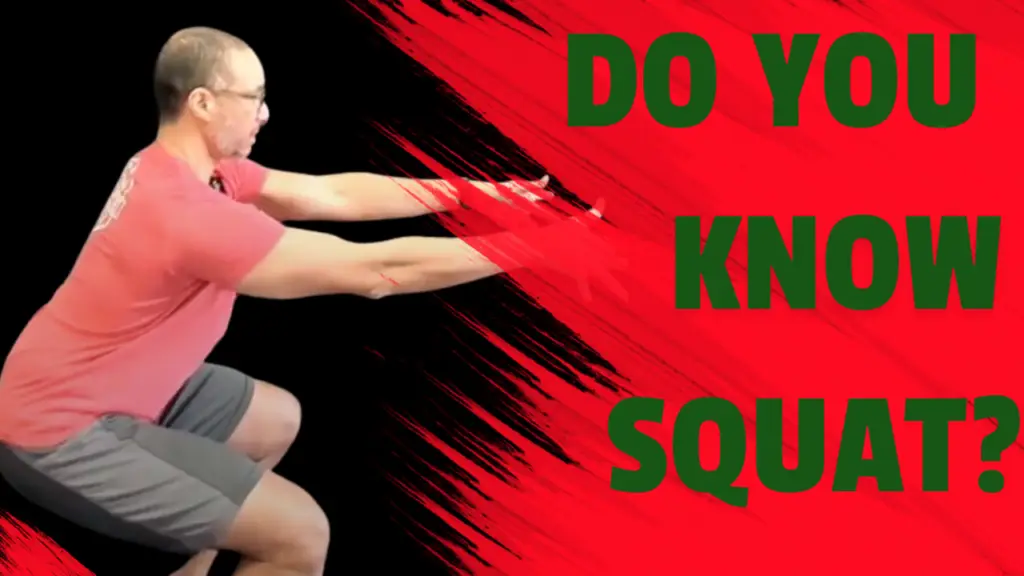
Unlocking the Power of the Squat Exercise

The squat exercise is one of the seven primal movements. But unlike the others, a properly executed squat is the only one that can directly improve your posture.

Most people learn to squat the wrong way. Fitness classes, trainers, and online videos often pass down bad form like it’s tradition. Challenges like “100 squats a day” only reinforce poor patterns. They don’t teach you how to move—they teach your body how to compensate.

That’s a problem.

Click the image to watch the full video.

Why the Squat Exercise Matters So Much

A squat isn’t just for building legs or glutes. It’s a global movement that involves your whole body working together. In fact, it’s made up of multiple smaller systems working in harmony—from your pelvic floor to your jaw.

Done right, it’s one of the most powerful tools you have for long-term strength, mobility, and posture.

Done wrong, it becomes a slow leak—wearing down your body over years until the damage is finally too loud to ignore.


Most People Are Taught the Squat All Wrong

When I started training back in my teens, I was told to arch my back, stick my butt out, and look up. It felt powerful—but it placed massive stress on my lower back and neck. I didn’t feel pain for years. But by the time I hit 35, that form had helped cause a spinal issue and sciatic pain.

That’s how compensation patterns work. You don’t feel them until they’ve done damage.

And unfortunately, a lot of fitness systems still teach that exact form today.


The Squat and Posture: A Unique Relationship

Unlike bending, pushing, or pulling, the squat uses and improves your posture—if done correctly.

Your postural system is made up of:

  • The Plumb Line (ear, shoulder, hip, knee, ankle alignment)
  • The Gravity Line (a 4-degree cone rising from your pubic bone)

The squat interacts with both. If your plumb line is off, squatting can make things worse. But if you squat with awareness and alignment, it actually helps reinforce your posture inside that gravity cone.


What It Takes to Do a Proper Squat Exercise

The squat is built from many parts. Each part needs to function independently before it can function together.

Here’s what that means:

✅ The Beam Phenomenon

Your torso needs to move like a solid beam—no wobble. That requires training your:

  • Pelvic floor
  • Abs (especially lower abs)
  • Diaphragm
  • Lats
  • Pecs
  • Fascia in the mouth and throat

✅ Foot and Ankle Mechanics

Your feet are your foundation. A weak or collapsed arch (especially at the navicular bone) throws off everything above. You may need arch support or proper shoes when lifting heavy.

✅ Pelvic Tuck and Knee Drive

A good squat is knee-dominant. That means knees move first—not hips.

At the same time, keep your pelvis tucked and chin tucked to stay in the beam. This requires both abdominal strength and fascial flexibility in the back.

If your soleus and calves are tight, your heels will lift and stop your knees from driving forward. So you may need to stretch and strengthen your calves to get full range.


Learning to Squat Means Slowing Down

If you’re constantly focused on performance or fat loss, you’re not giving your body the time it needs to learn proper form. And in a class environment, correcting your form often isn’t the priority.

That’s like trying to learn typing by mashing keys as fast as possible without learning the keyboard.

It’s not a matter of willpower—it’s just bad input. And bad input = bad output.


Good Squat = Good Life

Learning how to do a proper squat gives you a relationship with your body.

You’ll learn where you’re tight, where you’re weak, and where you’ve been compensating without even knowing it. And when you address those things, your body responds.

You get stronger. You feel better. You age slower.


Want Help With Your Squat?

I’ve helped thousands of people reconnect to their bodies through correct, holistic training. Here’s how you can start:

You’ve been given a body that can last 90+ years. The squat exercise is one of the best ways to take care of it.

Let’s make sure you’re doing it right.

it’s not just working out, it’s building a foundation for a better life.

Find out more @

Facebook

BlueSky

Pinterest

Instagram

Youtube

Shoulder Strengthening Exercises for Strength, Mobility, and Injury Prevention

Having strong, mobile shoulders is essential—not just for lifting or sports, but for your entire body’s health.

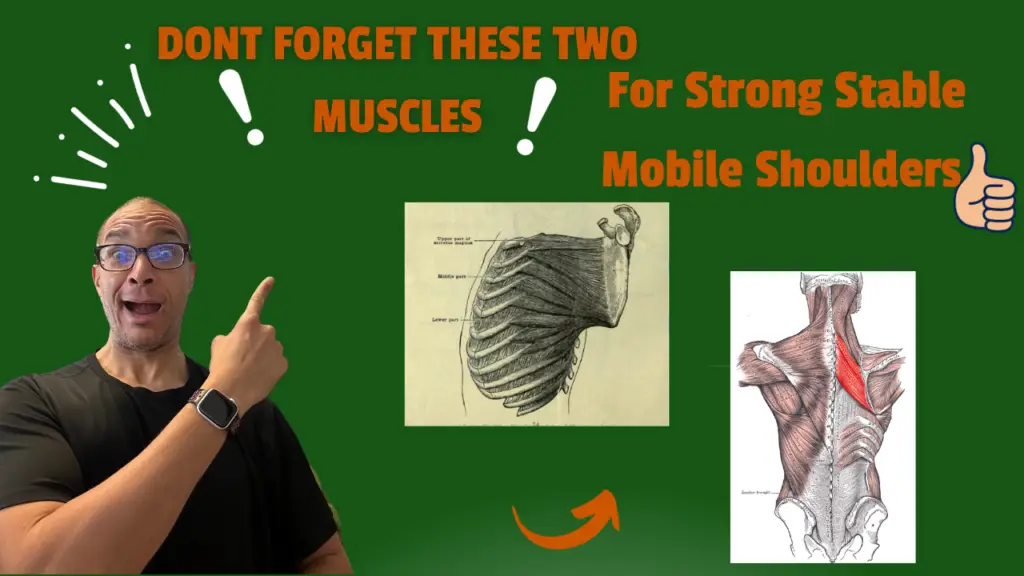
But most shoulder pain solutions and “best rotator cuff” workouts you find online are incomplete. They miss critical pieces of the puzzle—especially the joints involved and the two most forgotten muscles you must train for real results.

Let’s break it down.

Click on the image to watch the video.

Your Shoulder Is More Than One Joint

Most people think of the shoulder as just the glenohumeral joint—where your arm bone (humerus) meets the socket in your shoulder blade (glenoid). But that’s only one piece.

There are five distinct joints that make up the shoulder complex:

  • Glenohumeral joint
  • Subdeltoid joint
  • Sterno-chondral-costal-clavicular (SCCC) joint
  • AC (acromioclavicular) joint
  • Serratic joint (under the shoulder blade)

Each joint plays a role in shoulder mobility and strength. If even one is off, your whole shoulder can suffer—often leading to pain or dysfunction on the opposite side of the problem area.


You Need More Than Muscles—But the Right Ones Matter

Your rotator cuff and deltoid muscles are essential, but they’re just the beginning.

The long head of the bicep and long head of the tricep attach to the glenoid from above and below. When you lose function in either (like after bicep surgery), you sacrifice major stability.

Other important players:

  • Pec major/minor
  • Latissimus dorsi
  • Trapezius
  • Levator scapulae
  • Serratus posterior superior

But two muscles stand out as most neglected and critical:


The Most Important Muscles You’re Probably Ignoring

1. Serratus Anterior

Fans out from your ribs to your shoulder blade. It helps anchor and stabilize the scapula while allowing fluid movement.

2. Rhomboids (major and minor)

Run from your spine to your scapula and work as antagonists to the serratus anterior. Together, these two maintain the neutral, retracted position of your shoulder blades—which affects everything from head posture to pelvic balance.

If your shoulder blades are unstable or misaligned, it can trigger a cascade of dysfunction:

  • Forward head posture
  • Decreased mobility
  • Increased injury risk
  • Compensations in your spine and opposite hip

The Joint Must Be “Smart” and “Fluid”

It’s not enough to strengthen muscles. Your joints need:

  • Fluidity (healthy fascia)
  • Neurological engagement (a “smart” joint)

If your serratic joint is stiff and disconnected, your shoulder gets noisy—literally. That cracking/popping you hear? That’s congealed fascia, not bones moving.


Smart Shoulder Training: What It Takes

Train with Hill’s muscle model in mind:
Every muscle needs its fibers, fascia, and joint working together for full function.

✅ Serratus anterior training must include multi-angle work and differentiate between the rib and scapular attachments.
✅ Rhomboid work must target both the major and minor and be done above the glenohumeral line, where the scapula locks and moves as one with the arm.

Most programs miss this. They focus on the “burn,” not the biomechanics.


Don’t Forget the Spine

A kyphotic (overly rounded) upper spine pushes the head and shoulders forward—undermining even the best exercises.

You can work your serratus and rhomboids all day, but without spinal mobility and scapular positioning, your results will be limited.


Want Help?

If you’re ready to take a holistic approach to shoulder health:

I’ve been doing this for 30 years under an osteopathic paradigm. I don’t guess—I assess, and I train with the full body in mind.

Let’s get those shoulders strong, stable, and pain-free.

Building a foundation for a better life.

Find out more @

Facebook

BlueSKy

Pinterest

Instagram

Youtube