
Strength Training

🏋🏽‍♂️ Gym Workouts for Longevity: Why Big Box Gyms Miss the Mark

Gym Workouts for Longevity

Click on the image to watch

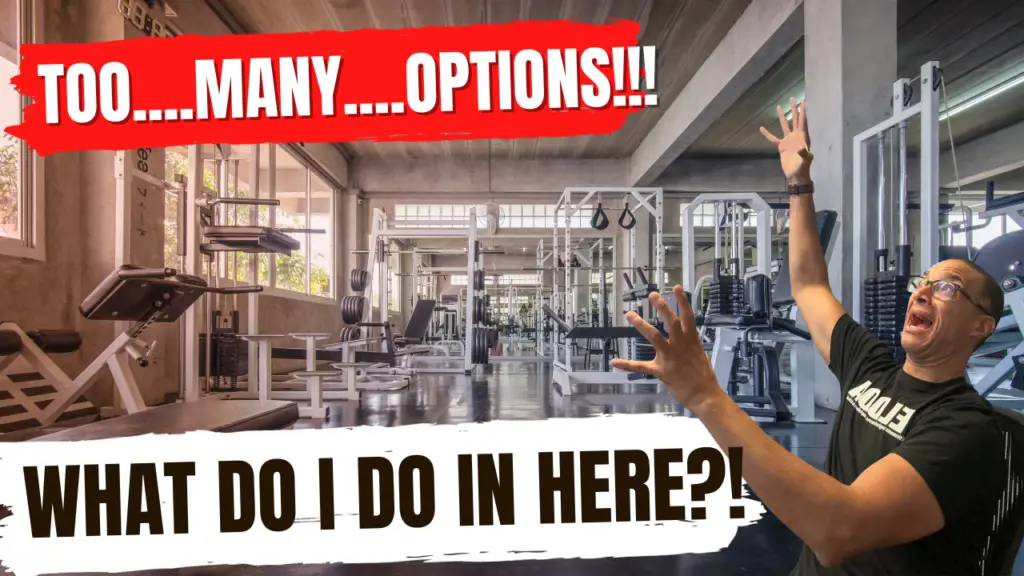
When you walk into a big box gym, it can feel like you’ve found the answer to everything:

Strength training? ✅
Cardio? ✅
Yoga and mindfulness classes? ✅
Stretching areas, machines, HIIT, foam rollers, even a few free personal training sessions? ✅✅✅

But here’s the truth: none of it is a real program.
And most of it isn’t going to get you where you want to go — especially if your goal is longevity.


What Longevity Actually Means in the Body

Longevity isn’t just about living longer.
It’s about living better, longer.

That means:

  • A body that works efficiently into your 80s and 90s
  • Joints that move without pain
  • Fascia that stays hydrated and supple
  • A nervous system that stays calm and responsive
  • A structure that stays aligned under gravity

And none of that happens by randomly collecting workouts.


Why Big Gyms Sell You the Wrong Idea

I started in big gyms. I trained in them. I sold memberships in them.
I know exactly how they work.

They show you a buffet of options and say: “Mix and match however you want! You’ll get stronger, leaner, more flexible. Just show up a few times a week.”

But here’s the problem:
Exercise is not a random collection of movements.
Your body needs a program, not a menu.


Random Doesn’t Lead to Resilient

Let’s say you go to yoga on Monday, machines on Tuesday, cardio on Wednesday, and stretch a little on Thursday.

That’s not a system.
That’s activity.

It might feel productive, but it’s not progressive. It doesn’t build on itself. It doesn’t organize your structure, or address your compensations, or train your fascia to hold changes over time.

You feel good — until you don’t.
And then the overuse injuries start creeping in.


What a Real Program for Longevity Requires

If your body is designed to work a certain way (and it is), then your training should support that design.

Here’s what that looks like:

  • Evaluate posture and plumb line first
  • Train foundational strength and mobility patterns (not muscles in isolation)
  • Use precise progressions that account for fascia, nervous system, and joint mechanics
  • Respect gravity, force, and timing — not just muscle burn

You don’t need 10,000 square feet or 30 machines.
You need the right input in the right sequence.


Why Gym Trainers Aren’t Set Up to Help You

Even when gyms offer you “free personal training,” the goal is usually sales — not education.
Most new trainers are just out of certification. They don’t have enough experience or holistic understanding to create real outcomes. I know. I used to be one.

And they often give you what’s popular — not what’s effective.

Kettlebells are hot? You get kettlebells.
HIIT is trending? You get circuits.
Got hip pain? Foam roll it.

Problem is, none of that is personalized. None of it addresses the real reason your body is reacting the way it is.


Fascia, Progression, and Precision — Not Popularity

Take something simple like foam rolling your piriformis.
Most people sit on a lacrosse ball and grind away because it feels intense.

But do you know what you’re sitting on?
Your sciatic nerve? Your gluteal artery?

Do you know if you’re crushing healthy fascia — the same tissue you’re supposed to be training?

More pain ≠ better.
Random pressure ≠ release.
Sensations aren’t progress. Knowledge is.


So What Should You Be Doing?

Start with:

  • Structural assessment (Are you aligned?)
  • Movement patterns (Can you squat, lunge, push, pull, gait properly?)
  • Fascia and muscle balance (What’s restricted or weak?)
  • Nervous system regulation (Can your body recover?)

And from there:

  • Build a specific, holistic program
  • Adapt it as your body changes
  • Use tools that fit the plan — not just what’s available at the gym

A gym is just a space.
It only helps you if you bring the right system with you.


What to Do Next

If you’re using the gym just to feel like you “did something,” you’re missing the mark.
Worse — you might be reinforcing the very patterns causing your pain, tightness, or breakdown.

Longevity doesn’t come from random movement.
It comes from intentional progression — and knowing how to listen to what your body needs at each stage.

If you want support:

But whatever you do — don’t settle for what’s convenient.
Your body is too valuable to be thrown into a one-size-fits-all system.

it’s not just working out, it’s building a foundation for a better life.

Find out more @
Facebook

Bluesky

Pinterest

Instagram

Youtube

Is Your Functional Fitness Workout Actually Dangerous?

You’ve probably seen the term functional fitness workout tossed around everywhere lately.

But here’s the truth: what you see online or at the gym under that label is often misleading — or worse, harmful.

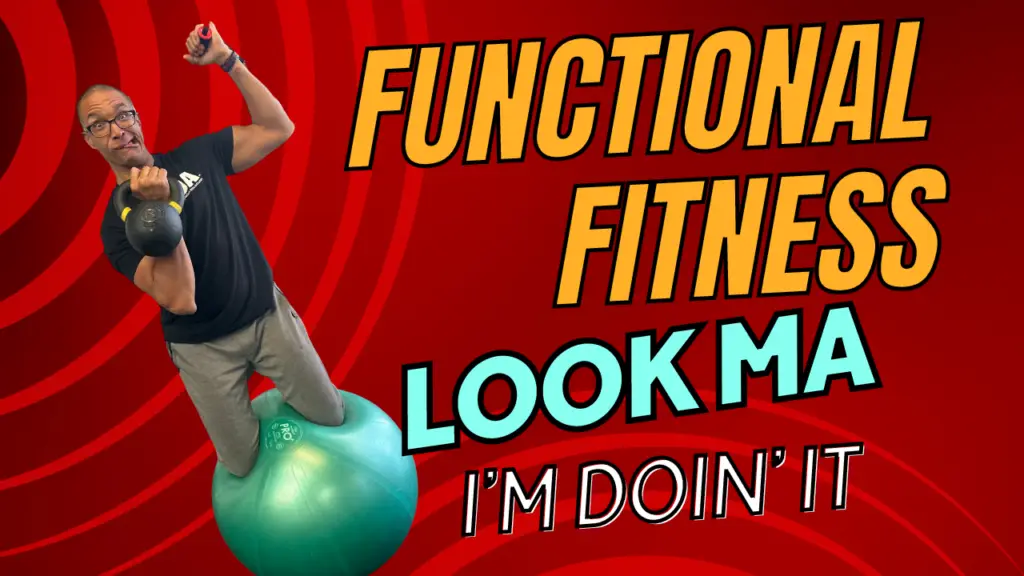
The original idea behind functional fitness was solid: training your body to perform real-life movements with strength, ease, and efficiency. But the fitness industry has warped this into circus acts and extreme trends — things like balancing on balls with weights overhead or twisting mid-air with kettlebells.

Even for seasoned pros, those workouts make no sense. And for most people, they’re a fast track to injury.

Man doing functional fitness workout that is not safe

Click the image to watch

So What Is Functional Fitness, Really?

Let’s go back to the definition. Something that is functional has a specific purpose or task. So functional fitness should support the way you live, move, and work — helping you feel better and function better in your day-to-day life.

That might include training to:

  • Walk, squat, twist, and bend with ease
  • Paint walls or lift gear in your profession
  • Run a 10K or play with your grandkids pain-free

But functional training isn’t a one-size-fits-all set of exercises. The movements you need depend on your goals.


Three Kinds of Functional Training

  1. Sport-specific — Focused on athletic performance. Runners train different muscle chains and movement patterns than skiers or lifters.
  2. Work-specific — Based on your job. A painter needs mobility and control in the shoulder, wrist, and neck. A nurse may need strong legs and posture.
  3. Life-specific — For general health, longevity, and pain-free movement in daily life. This is where most people should start.

Ironically, the more you focus on sport or work-specific training, the more you risk losing function in everyday life. Why? Because you’re overtraining narrow patterns and neglecting others.


The Foundation of True Function

If your goal is to function better in life, here’s where to start:

✅ The 7 Primal Movements

These are basic, essential motions you do every day:

  • Squat
  • Bend
  • Push
  • Pull
  • Lunge
  • Twist
  • Gait (walk/run)

Training these movements properly will make daily life easier. But you shouldn’t start here.

✅ Start with Your Deep Stabilizers

Real functional training begins with the PIT muscles — the deep internal stabilizers that prepare your body to move. These include:

  • Transversospinalis group
  • Deep hip rotators
  • Deep shoulder stabilizers
  • Fascia and visceral supports

These muscles receive the brain’s signals first. If they’re weak or disconnected, your body will compensate with larger muscles, creating dysfunction and strain.


Structure Dictates Function

This principle — first taught by osteopathic founder Andrew Taylor Still — says your body can only function well if its structure is aligned and balanced.

Your fascia, bones, and muscles don’t just hold you up like a stack of blocks. They create a biotensegrity system, where tension and compression are distributed across your whole body through fascia.

That’s why good posture isn’t cosmetic — it’s functional. Without structural balance, even “good” exercises cause harm.


Train What You Actually Use

Want to be able to balance on one leg? Then train the glute medius — in all three of its fiber directions. Want to squat pain-free? Work the deep hips and spinal stabilizers first.

If you skip this and go straight to dynamic exercises, you’re training dysfunction on top of imbalance.

And those extreme workouts that promise strength, mobility, endurance, and balance all in one? Total nonsense.

Your body needs focus to adapt. Each quality — like flexibility, strength, or endurance — takes months to build. You can’t rush it by stacking everything into one session.


Real Functional Training Takes Time

Here’s a simple path:

  1. Rebuild structure — Get your posture, alignment, and fascia moving well.
  2. Activate deep stabilizers — Teach your nervous system how to move safely.
  3. Train primal patterns — Squats, twists, lunges — correctly and with intention.
  4. Build specific traits — Endurance, strength, mobility — one at a time.

Each layer may take months. But it sets you up for a lifetime of movement freedom.

Functional fitness is not a shortcut. It’s a foundation.


Want to Learn How to Train Functionally (the Right Way)?

If you’re tired of confusing workouts, nagging pain, or wasted time, we can help. Our holistic program trains your body from the inside out — respecting fascia, structure, and function at every step.

👉 Click below to schedule a complimentary consultation.
We’ll talk about your goals, your body, and your best next step.

it’s not just working out, it’s building a foundation for a better life.

Find out more @
Facebook

Bluesky

Pinterest

Instagram

Youtube

Tired of Peloton? Here’s a Smarter Workout Alternative

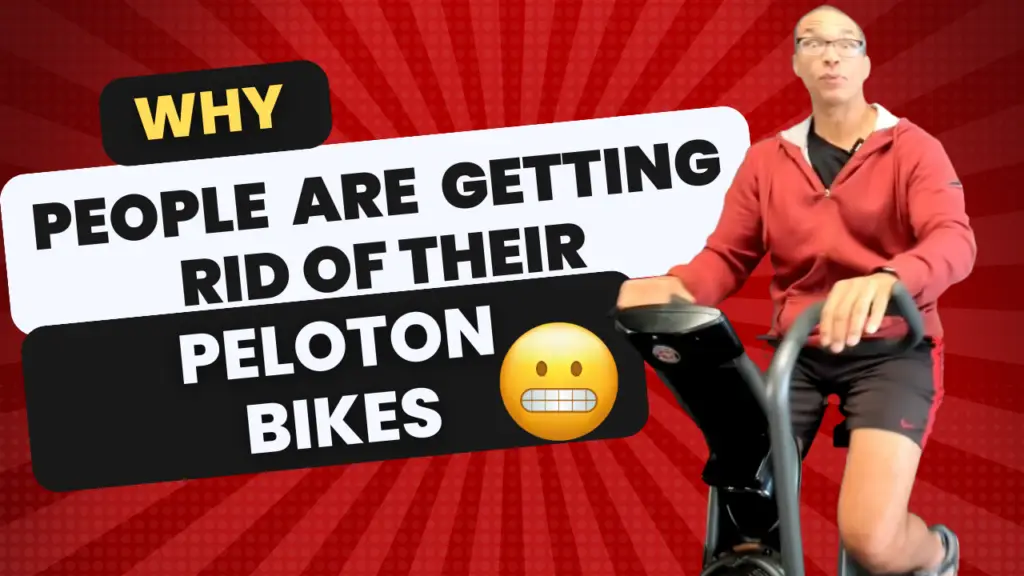
Frustrated person next to Peloton bike exploring workout alternatives

Click on the image to watch

If you’ve been searching for Peloton workout alternatives, you’re not alone. What once felt like the future of fitness now often leads to burnout, boredom, or plateaus. Whether your bike’s collecting dust or your membership feels stale, it’s time to rethink what your body really needs — and what truly works long term.

Let’s break down why Peloton is falling short — and what you can do instead to get real results.

Peloton’s Rise… and Fade

Peloton exploded during the pandemic. People were stuck at home, and the brand nailed the timing with sleek bikes, energetic instructors, scenic virtual rides, and an easy subscription model. It felt like a movement.

But fast forward, and many people are canceling memberships and unloading their gear.

Why?

Sure, there are business reasons — but from an exercise and results perspective, there’s a deeper issue.


External Motivation Doesn’t Last

The whole Peloton model is built on external motivation: music, scenery, and peppy instructors yelling encouragement through the screen.

That can feel great in the beginning. But it fades — and quickly. Real, lasting progress requires internal motivation driven by clear goals that mean something to you.

It’s not about getting hyped up to pedal harder for 20 minutes. It’s about asking:
What do I want from my body and my life?


Cardio Alone Isn’t a Full Program

Peloton gives you cardio — and not much else. Maybe some light circuit training or HIIT. But it’s still basically endurance training.

  • No structured strength work
  • No fascia-focused training
  • No progression
  • No personalization

Just movement for movement’s sake. And that eventually leads to boredom, plateaus, or worse — injury.


One Size Doesn’t Fit All

Using your legs on a bike isn’t the same as training your legs intelligently. Overuse injuries, imbalances, and limited planes of motion can result from doing the same activity over and over.

Every body is different. You need a program that adapts to your individual structure, needs, and goals. That’s the opposite of Peloton’s cookie-cutter classes.


Why I Built Something Different

At SolCore Fitness, we follow a fascia-based osteopathic approach to fitness and therapy. That means:

  • Your workouts are built around your body’s actual structure
  • You learn to work with your fascia, not against it
  • You develop long-term strength, mobility, and stability — not just sweat

You don’t need fancy gear. You don’t need entertainment.
You need the right stimulus, progression, and support to evolve.


Ready for a Smarter Way?

If Peloton isn’t giving you what you need — that’s OK.

It was designed to be easy, not transformative.

But your body wants more. Your mind wants more. And you’re capable of more.

If you’re ready for a complete shift in how you train and take care of yourself, check out my program. It’s based on the principles of osteopathy and the real biomechanics of how your body is designed to move and heal.

Let’s train for your life — not just a screen.

it’s not just working out, it’s building a foundation for a better life.

Find out more @
Facebook

Bluesky

Pinterest

Instagram

Youtube

Why Stretching Matters: The Real Science Behind Your Body’s Balance

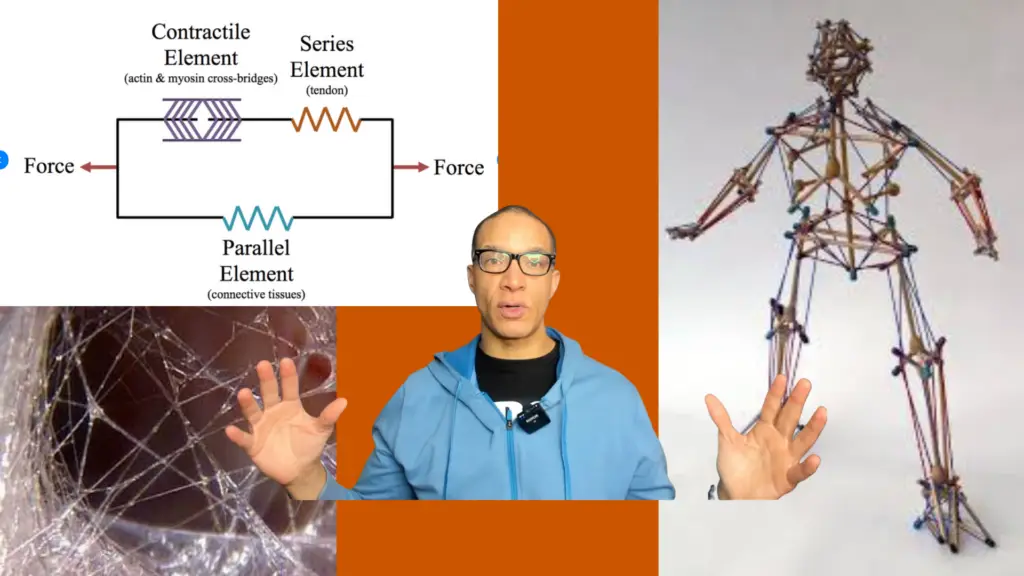
A person showing the science behind why stretching matters

This is very unfortunate. 🤦🏾

Beware the information you take in on social media and the interweb (yes, I know the irony here). I recently saw a post from a “trainer” I know is new to the profession — not certified, and barely trained — claiming boldly that you don’t need to stretch.

Ummmm… no.


Science says yes, and for multiple important reasons. Let’s break this down so it’s not just a rant — but a chance to learn.


1. The Hill Muscle Model

First, there’s the Hill Muscle Model, a foundational concept in muscle physiology. It explains that muscles behave like a system of contractile and elastic components — meaning they can both shorten and stretch.

If you ignore the elastic part of this model (the part that allows muscles to lengthen and absorb force), you’re essentially forcing your body to operate with only half the system functional. That’s a recipe for strain and injury.


2. Biotensegrity and Structural Balance

Your body isn’t a stack of bones held together with tape. It’s a dynamic, balanced system governed by biotensegrity — a term describing how tension and compression work together to create stability and fluid movement.

Think of it like a geodesic dome: it’s not rigid, but it’s strong. Your fascia, ligaments, and muscles maintain that tension network. When one part becomes too tight or too loose, the entire structure compensates — often in inefficient or painful ways. Stretching, when done appropriately, keeps this system balanced.


3. Fascia Health and Soft Tissue Quality

Your fascia — the connective tissue that wraps around muscles, organs, and joints — needs to be pliable and hydrated to function well. Without stretching, the fascia becomes stiff, dehydrated, and restrictive. This limits range of motion and increases the risk of injury.

Stretching nourishes and rehydrates the fascia. It improves sliding surfaces between tissues and reduces unnecessary friction that contributes to chronic pain or dysfunction.


4. Functional Range of Motion (ROM)

Your joints and muscles are meant to move through a full range of motion. But if your body doesn’t experience that range regularly, it adapts by shrinking your capabilities.

Imagine owning a sports car but only ever driving it in first gear. That’s what happens when you skip mobility work and stretching — your joints and soft tissues lose their full capacity. Eventually, simple movements like bending, twisting, or reaching become harder, more painful, or even dangerous.


5. The Consequences of Misinformation

Here’s the real danger: the trainer who said “you don’t need to stretch” isn’t evil — they’re just inexperienced and unaware. The bigger issue is that people hear statements like that and believe them. And then they suffer.

Social media has made everyone feel like an expert. But true expertise doesn’t just come from reading a few studies or copying flashy workouts. It comes from years of study, experience, reflection, and humility — especially humility to know how much you don’t know.


6. The Pieced-Together Workout Problem

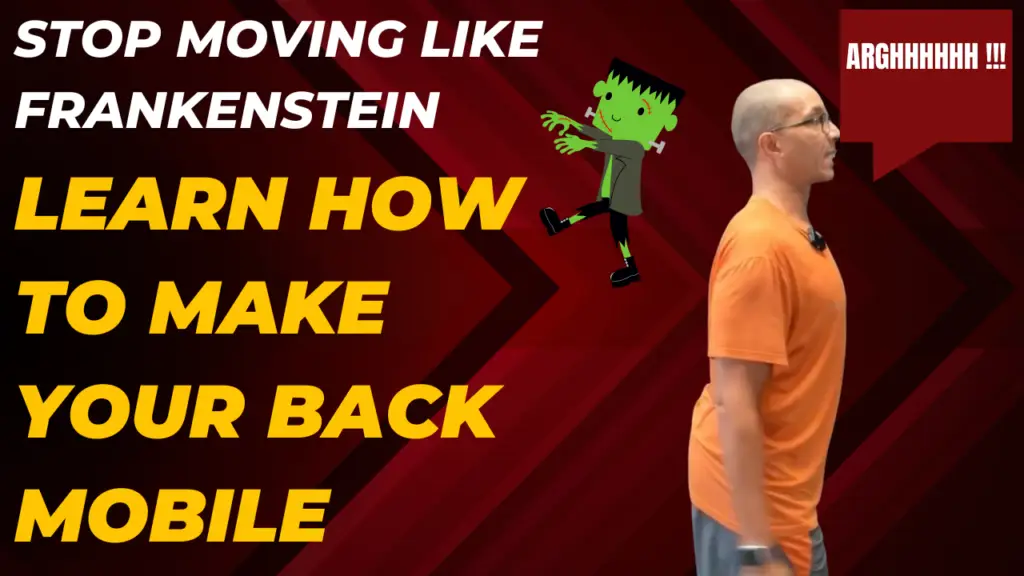
This is how we end up with Frankenstein “total body workouts” built on partial facts. The logic seems sound on the surface: if I work all my muscles, I’m doing a total-body workout. But unless that workout respects the body’s complex interconnections, neurological readiness, structural imbalances, and fascial tension — it’s not actually holistic. It’s just random movement with good intentions.

And unfortunately, good intentions don’t protect your joints, restore your balance, or make you move better. Thoughtful, informed planning does.


What You Can Do Instead

Instead of chasing conflicting advice online, study with purpose. Take in complete models that respect the body’s design — not just cherry-picked hacks that sound good in a 60-second video.

If you want to start learning what works, I wrote an ebook that distills insights from almost 30 years of work in therapy and training. It’s a great place to begin if your goals include:

  • Longevity
  • Functional strength
  • Real mobility
  • Relief from back, SI joint, or muscle pain

You can grab the ebook with the link below.

Move better. Reduce pain. Live life on your terms.


Let’s be better than social media noise. Let’s stretch — intelligently, consistently, and with an understanding of why stretching matters.

Building a foundation for a better life.

Find out more @
Facebook

Bluesky

Pinterest

Instagram

Youtube

Why Piecemeal Workout Routines Are a Bad Way to Train

SolCore Therapy And Fitness

Piecemealing stretches and exercises from random sources is like picking a single word from different sentences in different books and hoping (shaking head no) that it is legible.

You might go for a walk one day. The next, you hit the bike. Later, you lift weights or follow a YouTube video. It feels productive—but it’s chaotic. And it’s not getting you the result you think it is.

You saw someone online doing planks, so you do them. A magazine swears by yoga, so you try a class. You assume you’re training your body as a whole—but you’re not.

What you’re actually doing is forming a sentence using words from five different books, in five different languages, on five different topics. You’re not creating clarity. You’re just patching together noise.

This is the trap of piecemeal workout routines.

You’re not training your body holistically. You’re not addressing the full system—muscles, tendons, ligaments, fascia, and joints—all working together. And you’re not following a strategy built around your actual body or goals.

True holistic training means having one philosophy that coordinates different activities with a clear purpose. It teaches your body how to move, adapt, and heal in a structured way.

Anything else is like trying to “get fluent” by watching TikTok clips in Spanish, French, and Japanese—without ever learning the alphabet.

So don’t confuse motion with progress.

If you want to feel strong, pain-free, and capable over time, follow a real program that treats your body like the intelligent system it is.

Building a foundation for a better life.

Find out more @
Facebook

Bluesky

Pinterest

Instagram

Youtube

Health and Fitness for Your Family

Imagine two sisters raised with the same values, similar genetics, and many shared experiences. One prioritizes health, modeling fitness from day one for her children; the other lets fitness fall away as “life gets busy.” What unfolds isn’t just a difference in appearance; it’s a difference in legacy.

The Ripple Effect of Your Choices

Every action you take sets a precedent for those around you. Children, partners, friends, and coworkers absorb more from your habits than your words. When one sister laces up for a triathlon, wakes with energy for her family, and showcases joy in her active life, she demonstrates priorities. The other, stuck in cycles of diet fads, missed self-care, and endless scrolling, unwittingly models avoidance.

Families Thrive When Wellness is Normalized

Client testimonials at SolCore reinforce this. “I started prioritizing family hikes on weekends,” says client Thomas. “My daughter now asks to join after-school walks, and my wife is trying group fitness. It’s changing the whole atmosphere at home.”

Making Fitness Real and Sustainable

True family wellness isn’t about perfect routines or rigid discipline. It’s about integrating natural, enjoyable movement, and embracing flexible approaches amid busy schedules.

  • Park farther and walk together to errands
  • Celebrate “family stretch hour” before dinner
  • Share healthy recipe nights

Excuses Are Inherited So Are Successes

If you find yourself saying, “I’m too busy,” or “I’ll focus on health after the kids’ soccer season,” notice—your children hear and internalize those scripts. But swap the script—“I make time for exercise so I can keep up with you”—and you gift resilience.

What Happens When Adults Prioritize Health?

  • Less burnout and better focus at work and home
  • More energy for play, not just chores
  • Lower risk of injury or illness (for everyone)
  • A culture shift—wellness isn’t “mom’s thing;” it’s everyone’s responsibility

The Cost of Neglect

Ignoring health for years may seem harmless, but the cost compounds:

  • Parent too tired for activities
  • Children modeling sedentary habits (which can persist into adulthood)
  • Higher healthcare costs (medical bills, missed workdays, anxiety, and relationship strain)

How to Begin A Family Health Plan

  • Set a Lead Example: Pick one daily healthy routine—walk, prep healthy snacks, turn screens off during meals.
  • Invite Participation: Involve kids in fitness challenges, meal planning, or cooking adventures.
  • Use Clear, Positive Language: Focus on abilities gained, not punishments or “bans.”

Tools to Help

Ready to elevate your commitment? Download our [Free report on “Moving better, reducing pain and living life on your terms”]—it walks you through actionable steps that benefit you and your family. Consider it your soft launch for a new family chapter!

Final Thoughts

Longevity, joy, and connection all rise when health is prioritized at home. Families thrive when wellness is normal—not exceptional. Your example is the cornerstone. Start today; inspire the legacy you want for those you love.

It’s not just working out, it’s building a foundation for a better life.

Find out more @

Facebook

LinkedIn

Pinterest

Instagram

Youtube

Bluesky

5 Ways to Grow Now that Summer is Over

post-summer personal growth

Post-summer personal growth and personal health are essential—now is the perfect time to weave them together for maximum impact. As we step into autumn’s new rhythms, challenge yourself to grow in one or more of these five areas and set the stage for real, lasting change.

1. Embrace the Outdoors

As temperatures drop and crowds thin, take advantage of local trails, parks, or outdoor activities that both excite and intimidate you. Is there a hike or sport you’ve always wanted to try? Setting a concrete goal—whether it’s a challenging route or a new personal record—keeps you motivated and accountable. Preparing for those activities means pairing activity-specific training (think mobility and strength) with corrective routines that address wear and tear, so your body stays balanced and resilient for every new outdoor adventure.

2. Commit to a Gym Challenge

Fall is the time to upgrade your routines. Pick a weekly attendance goal that pushes you slightly outside your comfort zone, or try a new class that stretches you mentally and physically. Whether you add another day, take on a new program, or explore mind-body classes, this intentional discomfort leads to sustainable progress and new confidence. Remember, success comes from a mix of consistency and embracing occasional novelty.

3. Eat Whole, Nourishing Foods

After a summer of barbecues and travel, reset your nutrition with a challenge: shop the outer perimeter of your grocery store, focusing on fresh produce, proteins, and healthy whole foods. Skip the boxes, bags, and ingredient lists you can’t pronounce. Learning to cook new, seasonal recipes together as a family or with friends adds joy and reinforces healthy habits that fuel all of your other goals.

4. Deepen Stress Management Practices

Transition can spark stress. Use this time to go deeper with your mindfulness practice—whether it’s meditation, prayer, or deep breathing. If you’re experienced, read a new book or try a more advanced practice. If not, start with just a few minutes a day; small steps compound over time. Give yourself permission to slow down and reset your mental game for fall. This one shift can create ripple effects across your mood, focus, and gratitude.

5. Play!

Growth doesn’t always mean working harder—it means finding balance and joy. Remember your childhood summers and add a little play back into your life: toss a frisbee with friends, ride bikes with your kids, or set up a game night. Not only will this boost your energy levels and mood, but it trains you to appreciate movement for fun—not just obligation. Always follow up by thanking your body: take time for recovery with stretches and corrective exercises, so you’re ready to play again.

For more on building habits and maximizing results at the gym, see our Personal Training page.


As the season changes, now is the perfect time to refocus on what matters most and tap into your natural drive for growth. And if you need extra inspiration, just check out my son (age 6!) tackling a 3-mile hike down—and up—the Grand Canyon. Growth is natural for kids, but it’s still a choice for adults. Make yours count.

Building a foundation for a better life.

Find out more @
Facebook

BlueSky

Pinterest

Instagram

Youtube

Linkedin

How to Hit Your Goals in Time (Without Burning Out)

Solcore therapy and fitness

There might not be a magic “secret” to getting everything you want in life…

But if you want to hit your goals in time—without relying on luck or burnout—there’s one thing you can’t skip: clarity.

It starts with making a clear decision and backing it up with aligned action. Every. Single. Day.

From what I’ve seen—both in my clients and in myself—the biggest obstacle isn’t lack of ability, talent, or heart.

It’s confusion.
It’s distraction.
It’s overwhelm.
It’s pursuing 10 ideas without committing to one.

When I ask new clients what they truly want from their program, I almost always get vague answers like “to get in shape” or “fix this one thing.”

But when we press deeper—asking why they want that—it’s often the first time they’ve really thought about it. And that lack of clarity is exactly why they’ve been stuck doing random acts of movement without making real progress.

You can’t hit your goals if you don’t know what they are.

But once you do know, you can:

  • Build a plan
  • Break it into smaller steps
  • Get support from experts
  • Make room for new habits
  • Track progress and adjust intelligently

Success is not about “arriving.” It’s about aligning your life—your schedule, your priorities, your energy—with what truly matters to you.

You are already successful the moment you start doing what’s right for you.

So take 10–30 minutes today and get clear:

  • What do you actually want?
  • Why does it matter?
  • What’s the smallest step you can take this week to move toward it?

If your goals include long-term health, mobility, or feeling strong and free in your body—don’t settle for the same popular workouts that leave most people burned out and broken down.


P.S.
Once you’ve taken time to clarify your goals and realize that you want a health and fitness program that leads to longevity and a fuller life—I invite you to connect.

DM me or book a Discovery Session below. We’ll discuss:

  • Where you are now
  • What you’ve tried
  • Your sticking points
  • Where you want to go

I’ll give you personalized insights you can use immediately. And if it’s a good fit, I’ll share how we can help through:

  • Private therapy + training
  • Group classes
  • Personalized online programs

👉🏽 Use the calendar below to book a time.
Can’t find one? Email support@solcorefitness.com, and we’ll help.

Building a foundation for a better life.

Find out more @
Facebook

Bluesky

Pinterest

Instagram

Youtube

Linkedin

Health and Fitness for Your Family

Health and Fitness for Your Family

Imagine two sisters raised with the same values, similar genetics, and many shared experiences. One prioritizes health, modeling fitness from day one for her children; the other lets fitness fall away as “life gets busy.” What unfolds isn’t just a difference in appearance; it’s a difference in legacy.

The Ripple Effect of Your Choices

Every action you take sets a precedent for those around you. Children, partners, friends, and coworkers absorb more from your habits than your words. When one sister laces up for a triathlon, wakes with energy for her family, and showcases joy in her active life, she demonstrates priorities. The other, stuck in cycles of diet fads, missed self-care, and endless scrolling, unwittingly models avoidance.

Families Thrive When Wellness is Normalized

Client testimonials at SolCore reinforce this. “I started prioritizing family hikes on weekends,” says client Thomas. “My daughter now asks to join after-school walks, and my wife is trying group fitness. It’s changing the whole atmosphere at home.”

Making Fitness Real and Sustainable

True family wellness isn’t about perfect routines or rigid discipline. It’s about integrating natural, enjoyable movement, and embracing flexible approaches amid busy schedules.

  • Park farther and walk together to errands
  • Celebrate “family stretch hour” before dinner
  • Share healthy recipe nights

Excuses Are Inherited So Are Successes

If you find yourself saying, “I’m too busy,” or “I’ll focus on health after the kids’ soccer season,” notice your children hear and internalize those scripts. But swap the script “I make time for exercise so I can keep up with you” and you gift resilience.

What Happens When Adults Prioritize Health?

  • Less burnout and better focus at work and home
  • More energy for play, not just chores
  • Lower risk of injury or illness (for everyone)
  • A culture shift wellness isn’t “mom’s thing;” it’s everyone’s responsibility

The Cost of Neglect

Ignoring health for years may seem harmless, but the cost compounds:

  • Parent too tired for activities
  • Children modeling sedentary habits (which can persist into adulthood)
  • Higher healthcare costs (medical bills, missed workdays, anxiety, and relationship strain)

How to Begin A Family Health Plan

  • Set a Lead Example: Pick one daily healthy routine walk, prep healthy snacks, turn screens off during meals.
  • Invite Participation: Involve kids in fitness challenges, meal planning, or cooking adventures.
  • Use Clear, Positive Language: Focus on abilities gained, not punishments or “bans.”

Tools to Help

Ready to elevate your commitment? Download our Free report on “Moving better, reducing pain and living life on your terms” it walks you through actionable steps that benefit you and your family. Consider it your soft launch for a new family chapter!

Final Thoughts

Longevity, joy, and connection all rise when health is prioritized at home. Families thrive when wellness is normal not exceptional. Your example is the cornerstone. Start today; inspire the legacy you want for those you love.

It’s not just working out, it’s building a foundation for a better life.

Find out more @

Facebook

LinkedIn

Pinterest

Instagram

Youtube

Bluesky

Breaking Patterns of Self-Sabotage

Breaking patterns of self-sabotage

Everyone has an inner critic that voice whispering you can’t change, shouldn’t try, or don’t measure up. Self-sabotage isn’t just about comfort eating or skipping workouts; it’s deeper. It’s when you act against your own interests, often unconsciously, and then blame “circumstance.” Recognizing and breaking these patterns is the difference between stagnation and life-changing growth.

Self-Sabotage Hides in Plain Sight

Bruce Lee once said, “Don’t speak negatively about yourself, even as a joke. Your body doesn’t know the difference. Words are energy and cast spells, that’s why it’s called spelling.” Many of us “spell” our setbacks into being:

  • “This is torture” about a hard mobility session.
  • “There’s no way I can do that”—before even trying a new exercise or approach.
  • “I’m just not flexible/smart/strong enough” the hidden mantras that block change.

How Sabotage Shows Up in Fitness and Life

  • Pushing too hard too soon as a test (“Let’s see if my back is really healed!”)
  • Skipping sessions after the first miss (“I blew one day, so the week is wrecked.”)
  • Hiding from feedback—refusing to check progress, measurements, or videos.
  • Withholding effort (“I’ll just coast today…” that becomes every day)
  • Blaming others or circumstances endlessly

Patterns Often Rooted in Fear

Self-sabotage isn’t always laziness—it’s often fear: of failure, of being seen, or even of success. Fears can show up as perfectionism (“If I can’t do it right, I won’t do it at all”), procrastination, or chronic comparison to other, more “successful” people.

From Awareness to Action: Spotting and Halting the Cycle

Step 1: Radical Self-Recognition
Keep a running note of sabotage signals—negative self-talk, resistance, or “checking out.” When do these show up? In what context or around whom?

Step 2: Name the Fear
Most sabotage is about safety; your nervous system is wired to keep you “the same,” even if change is good. Dig deeper: am I afraid of judgment, of failing again, or losing my identity as the “sick one,” the “underachiever,” etc.?

Step 3: Plan in Writing
Put your key goals, your fears, and likely points of sabotage on paper. “If I start skipping evening routines, I’ll call my coach.” “If I miss Monday, I’ll get right back in on Tuesday.”

Step 4: Ask for External Support
Share your patterns with a trusted coach, physical therapist, or friend. Accountability and a second perspective defuse the confidence of your inner critic. At SolCore, those who break through sabotage almost always do so with outside guidance.

Step 5: Build New Patterns—Start Small
Plan for “little wins” over big perfection. If your self-talk says “I can’t,” add “…yet.” If you’d usually skip a stretch session, do five minutes instead of none.

Real-Client Example: The Victim Cycle

A long-time client, “Ben,” repeatedly injured his low back just as progress was stellar. Each time, his self-identity (“I’m the guy with back pain”) held him back. Together, we mapped out the sabotage: stress triggers, anxiety about “getting better,” family patterns of self-doubt. With new awareness and ongoing support, he now notices his old cycles and—slowly—lets progress stick.

Committing to the Plan—Even As the Critic Shouts

Self-sabotage never fully goes away, but your response can change:

  • Notice when you want to quit or “test” your limits.
  • Stick to the agreed plan; don’t negotiate with yourself in moments of doubt.
  • Celebrate every redirected step: “I followed through despite discomfort.”
  • Expect sabotage—it’s a sign you’re leaving your comfort zone.

Why Coaching Works

Breaking self-sabotage is hard alone. Our [Free Consultation] exists to help you spot your unique patterns and plan a strategy that’s resilient—not just motivational talk, but real accountability and action steps.

The Path to Self-Mastery

The most successful people in fitness, business, and life aren’t free from sabotage—they’re just skilled at expecting it, spotting it early, and shifting course. Progress is built in the micro moments: the repetition of “I’ll keep going. I can do this. I can change.”

Ready to see how far you can go without being blocked by your old stories? Book a Free Consultation and move from self-sabotage to self-mastery.

It’s not just working out, it’s building a foundation for a better life.

Find out more @

Facebook

LinkedIn

Pinterest

Instagram

Youtube

Bluesky